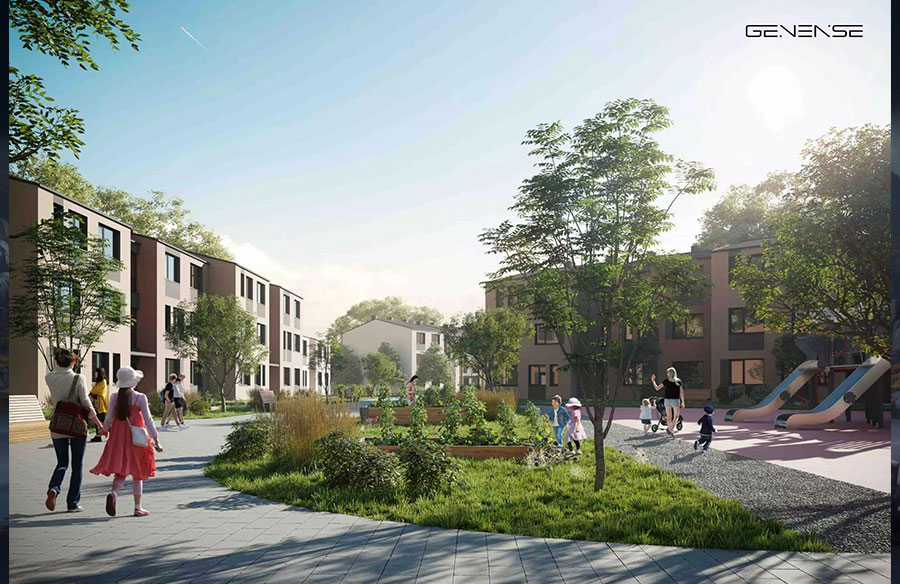
The success of a rendering partnership influences not only the appearance of your designs but also your operational efficiency. Clear, precise renders reduce the risk of miscommunication between stakeholders and eliminate the need for costly rework. An experienced team won’t just deliver beautiful images—they’ll also contribute to smoother workflows, predictable timelines, and better client interactions.
In contrast, choosing an underqualified studio can introduce project delays, bloated revision cycles, and underwhelming results that miss the mark both visually and conceptually. Worse, they might misunderstand key architectural details or fail to adhere to your development schedule. The impact is not just creative—it’s commercial.
That’s why selecting the right 3D rendering and architectural visualization studio is one of the most impactful decisions you’ll make early in your design process. But with countless agencies offering similar services, how can you distinguish a skilled partner from a mediocre vendor? This guide will walk you through what truly matters.
What to Evaluate in a 3D Studio
While portfolios are a good place to start, selecting a 3D visualization partner should go deeper than aesthetics. Let’s break down the attributes that truly define a professional and dependable collaboration.
1. Technical Precision and Relevant Experience
Look beyond surface-level visuals. Can the studio interpret architectural plans with fluency? Do they understand zoning context, scale accuracy, lighting behavior, and materiality? High-caliber studios often employ teams with backgrounds in architecture or industrial design, ensuring technical integrity in every model.
More importantly, experience within your specific segment—be it luxury residential towers or adaptive reuse commercial spaces—can dramatically improve the results. Tailored visual storytelling requires not only technical skill but also sector knowledge.
2. Workflow Transparency and Communication Standards
You should be able to track progress, ask questions, and provide feedback without friction. Reliable studios offer structured processes: from initial briefing forms and style references to revision checkpoints and final delivery.
A lack of coordination can easily spiral into missed deadlines or misunderstood feedback. Strong partners value your time and take initiative, keeping you informed every step of the way.
Signs of a Professional 3D Visualization Partnership
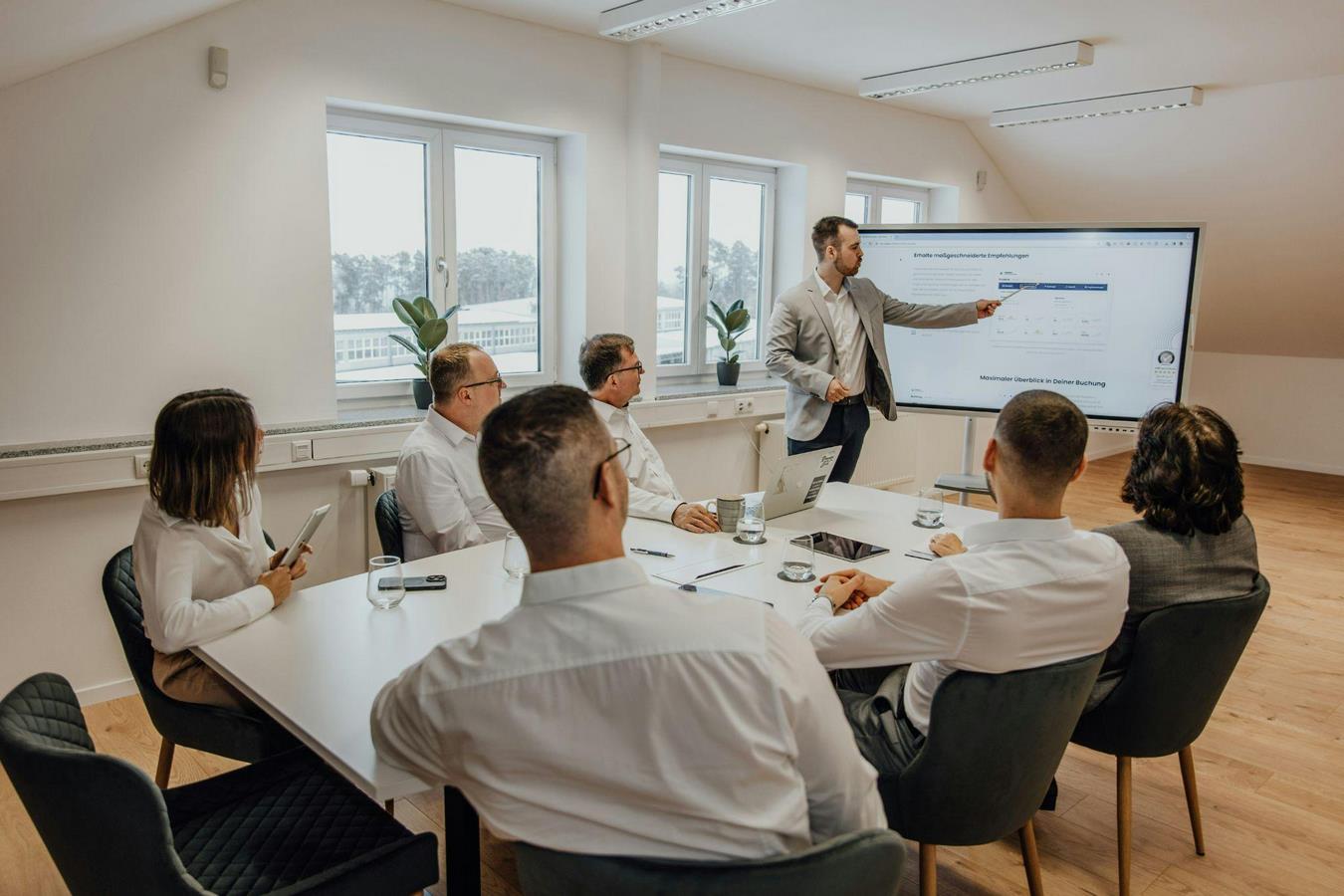 A polished website and impressive renders don’t always reveal the full picture. The following markers are what separate professional studios from the crowd.
Pricing, Timing, and Deliverables
Professional studios define their terms clearly from the outset. Your studio should help you anticipate the investment before work begins.
Ask for a sample price sheet or a trial brief—this will give you a sense of cost alignment and responsiveness. Additionally, studios should provide reliable delivery windows and honor agreed timelines. Missed deadlines can ripple through your schedule, especially in the context of real estate marketing or investor presentations.
Tools, Infrastructure, and Style Range
The best studios stay current with industry-standard tools such as 3ds Max, Corona Renderer, V-Ray, and Unreal Engine. Their hardware setup should also be optimized for complex 3D modeling and fast rendering performance. Ask what software they use, how they handle rendering queues, and whether they provide VR-ready environments or stylized concept visuals, if that’s part of your scope.
A studio’s ability to pivot between photorealism, conceptual storytelling, and immersive experiences speaks to their adaptability—a valuable trait in fast-paced markets.
Future-Proofing the Partnership
Your relationship with a 3D studio should evolve as your project portfolio grows. Consider not only current capabilities but also how your partner adapts to industry innovation.
Scalability and Flexibility
Can the studio handle high-volume requests or simultaneous projects? If your firm moves from small-scale builds to master-planned communities, your visualization partner should grow with you. Flexible teams, cloud-based workflows, and modular pricing models are signs they can scale when needed.
Innovation Readiness
Is the studio exploring emerging visualization technologies like AI-assisted rendering, real-time walkthroughs, or AR presentations? A forward-thinking partner should introduce ideas before you even ask. Their adoption of tools and methods should reflect a proactive, not reactive, mindset.
Due Diligence Before You Commit
Before signing on, take time to verify reputation. Case studies, verified testimonials, and repeat collaborations are strong indicators of quality. Does the studio work with long-term clients? Are they trusted across multiple sectors? These are the kinds of details that signal reliability.
Ensure the agreement covers:
- Ownership and licensing of final visuals
- Confidentiality clauses
- Scope of revisions and correction rounds
- Payment terms and delivery milestones
A solid contract protects both parties and helps avoid scope creep or last-minute surprises.
Finding the right 3D partner isn’t about finding the cheapest or fastest vendor—it’s about long-term value. The best studios bring more than visuals to the table. They offer peace of mind, technical understanding, and a shared vision for success. With careful evaluation, you’ll build a partnership that elevates not only your presentations but your entire project development process. Let your visuals speak as clearly as your designs. Choose your rendering studio as thoughtfully as you would your architect.