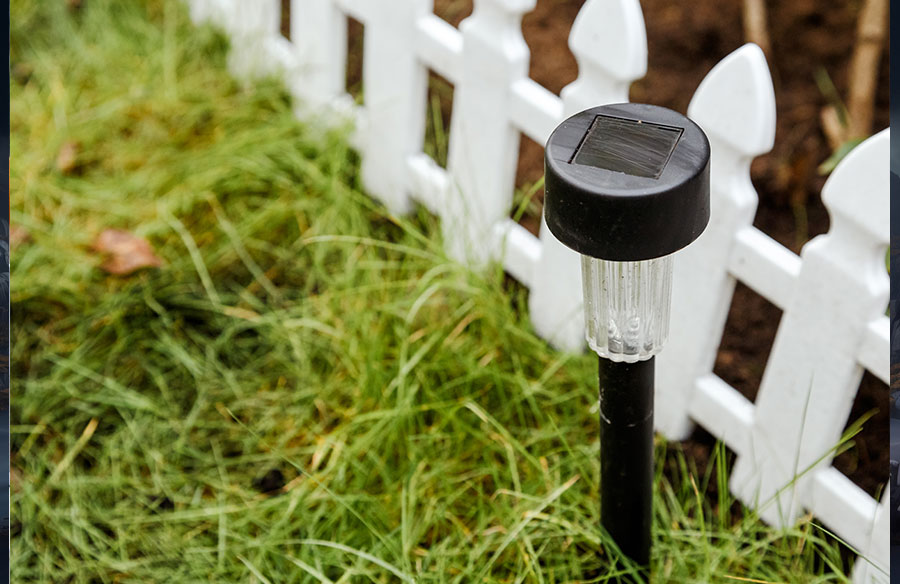
Outdoor lighting does more than just illuminate it defines the mood, enhances safety, and adds value to your property. As more homeowners embrace sustainable living and energy-conscious solutions, solar lighting has emerged as a leading choice. But while solar lights may seem simple, there’s more to choosing the right one than meets the eye.
Whether you’re upgrading your garden, lighting a pathway, or improving home security, understanding the key factors that affect solar light performance is essential. With the right knowledge, you can avoid underperforming fixtures and invest in lighting that’s both functional and long-lasting.
Understand the Purpose Before You Buy
The first step to making a smart decision is understanding the intended use. Are you trying to softly illuminate a garden path, cast a welcoming glow over your patio, or create a bright deterrent near entrances? The answer will help you determine the brightness, style, and features you need.
Soft accent lights are perfect for ambiance, while areas like driveways or staircases demand brighter, more focused illumination. Thinking about how each space is used at night ensures you select lighting that balances visibility, aesthetics, and safety.
You’ll also want to factor in how much sunlight your property gets, what obstacles could block the solar panels, and how long you expect the lights to last throughout the night. Getting clarity on these things up front will save you from poor placement or disappointing performance later on.
Quality Solar Panels Make All the Difference
Solar lights depend on the sun to charge and operate efficiently. That means the quality of the solar panel on each fixture is a huge part of its success. Panels made with monocrystalline silicon generally offer better energy absorption and charge more efficiently, even on cloudy days. In contrast, cheaper models with low-grade panels may struggle to store enough energy for consistent performance.
The battery inside the light is just as important. A high-capacity lithium-ion or LiFePO4 battery can store more energy and discharge it more steadily than the lower-quality alternatives you’ll often find in inexpensive lights. This directly impacts how long your lights stay on and how bright they are through the night.
Even the most stylish outdoor light won’t do much good if it fades after just a few hours. That’s why performance specs especially battery life and solar efficiency should guide your purchase as much as the design.
Consider Brightness and Color Temperature
Brightness is another key consideration, and it’s measured in lumens not watts. For example, 50 to 100 lumens may be enough for soft landscape lighting or path markers, while 600 to 1000 lumens is better for motion-activated security lighting.
You should also pay attention to color temperature, measured in Kelvins. A warmer light (2700K–3000K) provides a soft, yellow glow and is ideal for creating a cozy or elegant atmosphere. Cooler white light (5000K and up) is sharper and better for visibility, making it more effective near garages, driveways, or back entrances.
Matching the brightness and tone of your lights to their purpose will give your outdoor space a more cohesive, functional look.
Durability Matters More Than You Think
Outdoor solar lights are constantly exposed to weather, dirt, and wear. Over time, these elements can take a toll especially if the materials aren’t up to par. Look for lights made from high-impact plastic, corrosion-resistant aluminum, or other materials built to handle rain, UV rays, and fluctuating temperatures.
Weather resistance is usually marked with an IP (Ingress Protection) rating. For most outdoor lighting, IP65 or higher is ideal, as it indicates protection from both dust and water jets. Sealed edges, protective lenses, and sturdy mounts all contribute to a light’s longevity, especially in harsh climates.
Well-made lights not only last longer they also perform better with less maintenance. That means fewer replacements, less frustration, and better overall value.
Proper Placement Is Critical
Even the highest-quality solar light won’t work well if it’s installed in a shaded area. Sunlight is the only power source for solar lighting, so positioning matters. Make sure your lights are placed in areas that receive direct sun for most of the day. Avoid areas blocked by trees, fences, or structures, as these can significantly reduce charging time and effectiveness.
For those working with limited sun exposure, look for models with separate solar panels that can be mounted in a sunnier spot. Adjustable solar panels can also help maximize absorption by tilting toward the sun’s path, especially in winter when daylight is shorter and the sun sits lower in the sky.
Where you place your lights and how they’re oriented can mean the difference between a full night of brightness and a light that dies before midnight.
Ease of Maintenance and Longevity
One of the biggest advantages of solar lighting is its low-maintenance nature. But that doesn’t mean it’s completely hands-off. Dust, pollen, and debris can reduce the efficiency of solar panels, so occasional cleaning with a soft cloth and mild soap is recommended. Batteries may also need replacement after a year or two, depending on the model and usage.
Choose lights that allow for easy battery access and replacement, especially if you’re investing in multiple units across your property. Cheaper lights may be completely sealed and not designed to last more than a single season.
If you’re planning a long-term outdoor lighting solution, prioritize durability and ease of upkeep over initial cost. In most cases, spending a bit more up front results in much lower maintenance and better performance over time.
Style Meets Function
Solar lights are no longer just about function, they’re a design choice, too. Today’s options come in a wide range of finishes, styles, and fixture types to complement any outdoor décor. Whether you’re working with a rustic garden, modern patio, or traditional entryway, there are lighting solutions to match your aesthetic.
Of course, looks should never come at the expense of performance. That’s why it’s important to choose high-quality landscape lighting that not only enhances your curb appeal but also delivers reliable, long-lasting results.
By striking the right balance between style and substance, you’ll create a well-lit outdoor space that feels intentional, safe, and beautiful.
The Smart Choice for a Smarter Home
Choosing solar lighting isn’t just about saving on your energy bill it’s about making a more informed, sustainable, and future-ready decision. With a little planning and attention to quality, solar lights can provide dependable, low-impact lighting for years to come.
Before you hit “buy now,” take a moment to evaluate your space, your lighting needs, and the performance features that matter most. When you know what to look for, you’re much more likely to enjoy outdoor lights that truly elevate your home night after night.