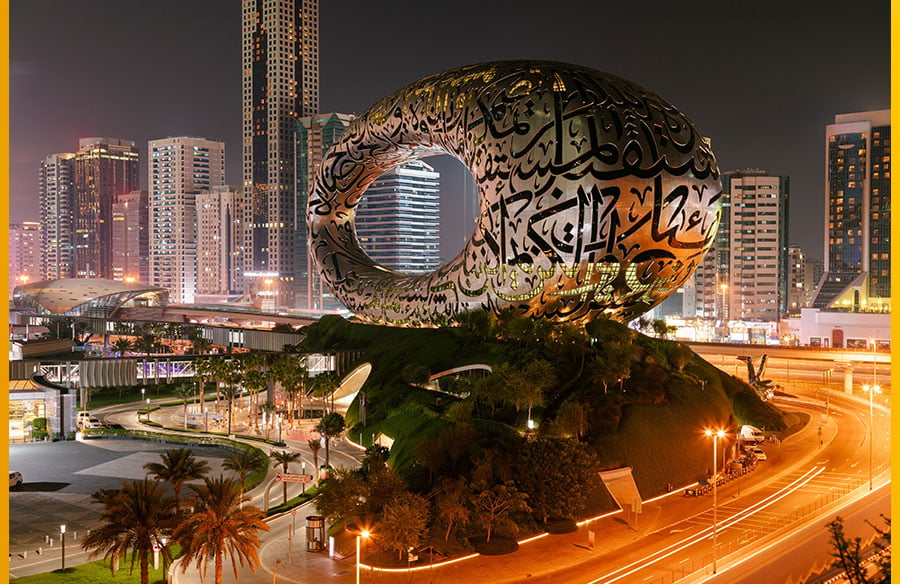
The skyline of the Middle East has changed. Cities like Dubai, Riyadh, and Doha have seen growth in high-end architecture that would have been hard to imagine 30 years ago. From smart homes to signature villas, the landscape of the Gulf is being reshaped by wealth, ambition, and design.
One area where this shift is most visible is in Dubai. With a massive rise in demand for premium real estate, the city is now one of the world’s biggest markets for luxury living. As more people search for Villas for Sale in Dubai, developers respond with new communities built around privacy, space, and technology.
But this story isn’t just about Dubai. It’s about a broader movement across the Middle East, a transformation driven by oil wealth, foreign investment, and a vision to build cities of the future.
The Rise of Luxury Architecture in the Middle East
The early 2000s saw Gulf nations focus more on tourism and global capital. Oil wealth gave these countries the resources to rethink urban life. But it’s not just about skyscrapers anymore. Horizontal living, private villas, and gated neighborhoods are leading this new era.
Luxury real estate has become a way to display status in cities like Riyadh, Doha, and especially Dubai. The region’s elite no longer settle for high-rise apartments. They want custom-built homes, smart systems, and clean lines that reflect modern lifestyles and Islamic heritage.
One reason for this boom is strong government support. Dubai’s leadership, for example, introduced the Dubai 2040 Urban Master Plan, which pushes for sustainable growth, new residential zones, and more green space. Luxury development is at the center of that plan.
Dubai: The Benchmark for High-End Urban Living
Dubai has gone from a desert port to a design capital. Its journey has not been simple, but the goal was always clear: build a city that would compete with the best in the world.
Now, high-end architecture in Dubai is setting global standards. Places like Palm Jumeirah, Emirates Hills, and Dubai Hills Estate show what modern luxury can look like in an urban setting. These communities offer private beaches, golf courses, smart homes, and plenty of green space.
In 2024, real estate sales in Dubai jumped by over 20%. Dubai luxury villas are leading this surge. Over 9,000 villas are being built to meet new demand. Some custom mansions even cost up to £100 million and feature rotating car platforms and glass domes.
These aren’t just homes. They’re symbols of what the city has become, a place where global wealth meets regional identity.
Architectural Characteristics of Middle Eastern Luxury Villas
Across the region, there’s a style emerging. A mix of the old and the new. Modern Islamic architecture is part of many of these homes. You’ll see intricate tile work, arches, and courtyards, but mixed with large glass panels, flat roofs, and minimal interiors.
Many homes use sustainable materials, solar panels, and energy-saving systems. The market for Middle East smart homes is expected to cross USD 55 billion by 2030. And it’s not just the systems. The layouts are also changing.
These homes often have:
- Private entrances and secluded spaces for guests
- Central courtyards that offer both light and privacy
- Wide hallways, high ceilings, and open kitchens
- Rooms designed with family structure in mind
This is modern villa design in the Middle East, made to suit local traditions and global luxury standards.
Influence on Urban Planning and Lifestyle
This rise in luxury design has also changed how cities grow. Traditional urban development in the Gulf focused on high-rises and compact buildings. That’s shifting.
New projects focus more on luxury gated communities in the UAE. These neighborhoods are not only private but also mixed-use. They have shops, parks, schools, and gyms, all within a 10-minute walk.
This has influenced Middle East urban development as a whole. Cities now plan around community clusters instead of isolated towers. That change is also changing habits. People now spend more time outdoors. Families have access to better air and open views.
Even energy use is dropping in these new communities thanks to smart tech and better design.
Challenges and Critiques
While this transformation is impressive, it comes with some issues that are hard to ignore.
| Challenge | Description |
| Affordability | As luxury real estate grows, middle-income groups are priced out. Renting in some areas has become 19% more expensive in just one year. |
| Environmental Impact | Mega-projects take resources. Water use, heat, and electricity consumption are all areas of concern in these villas. |
| Social Divide | Gated areas often lead to segmented zones where different income groups rarely mix. This can lead to a lack of shared public space. |
What the Future Holds: Trends to Watch
The future is already arriving in the Gulf. Tech and innovation are now central to the luxury home market.
AI-driven smart villas
These homes will go beyond current automation. AI will control lighting, security, mood, and even energy consumption. Voice commands will handle everyday tasks, and learning systems will adapt to each resident’s routine.
In Dubai, these kinds of homes are already being designed. Real-time energy tracking, biometric access, and voice-controlled appliances are just the beginning. Buyers looking for Villas for Sale in Dubai are starting to expect these as standard features.
Floating and modular homes
Water-based living is becoming more common. Designs for floating villas are under review in some parts of the UAE. These homes can be moved, upgraded, or even reused elsewhere. It is a new layer in sustainable architecture in Dubai.
Virtual property experiences
Developers are adding AR and VR tours to help buyers choose homes remotely. This saves time and shows off details better than photos ever could. Investors from overseas are finding this useful, especially for real estate in Dubai that sells fast.
Conclusion
The wave of architectural trends in Gulf cities is only getting stronger. Dubai is leading this movement, but other cities in the Middle East are catching up. With strong demand, high investment, and clear government support, the transformation continues.
As more buyers search for Villas for Sale in Dubai, the city keeps building bigger and smarter. It mixes tradition with tech. Luxury with lifestyle. And space with design.
At Driven Properties, we’ve seen how this journey has changed the city and its people. From custom mansions to sleek smart homes, the new face of the Middle East is being built one villa at a time.