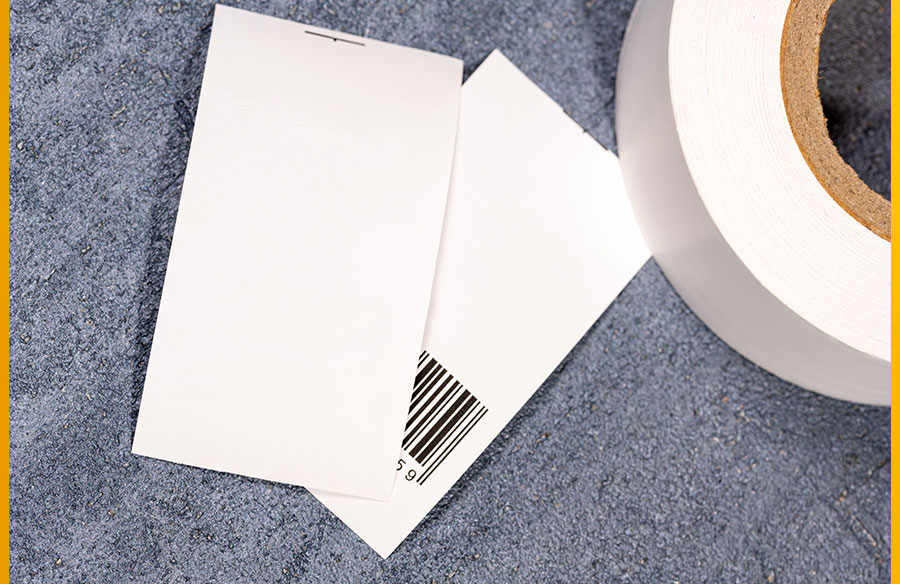
In today’s fast-paced world of e-commerce, shipping, and logistics, efficiency and accuracy are paramount. One seemingly small yet incredibly important tool that contributes significantly to these goals is the 4×6 thermal label. These labels are the workhorses of countless industries, providing a reliable and cost-effective way to print vital information directly onto labels without the need for ink or toner. But what exactly are 4×6 thermal labels? How do they work? And how do you choose the right ones for your specific applications? This comprehensive guide will delve deep into the world of 4×6 thermal labels, exploring their benefits, different types, common uses, printer compatibility, printing tips, and best practices. Whether you’re a seasoned shipping professional, a small business owner, or just starting out with label printing, this article will equip you with the knowledge you need to make informed decisions and maximize the potential of 4×6 thermal labels.
Understanding Thermal Printing: A Quick Primer
Before we dive into the specifics of 4×6 thermal labels, it’s important to understand the technology behind them: thermal printing. Thermal printing leverages heat to create an image on the label material. There are two main types of thermal printing:
- Direct Thermal Printing: In this process, the printer uses a print head to apply heat directly to a chemically treated, heat-sensitive label material. The heat causes the coating to darken, creating the desired image or text. Direct thermal printing is a simpler process that doesn’t require ribbons, making it cost-effective for short-term applications.
- Thermal Transfer Printing: This method uses a heated print head to melt a wax or resin-based ribbon onto the label material. The melted ribbon adheres to the label, creating a durable and long-lasting image. Thermal transfer printing offers superior print quality and resistance to abrasion, chemicals, and extreme temperatures compared to direct thermal printing.
The Appeal of 4×6 Thermal Labels: Why Choose Them?
4×6 thermal labels have gained immense popularity for several reasons, making them a preferred choice across various industries:
- Cost-Effectiveness: Direct thermal printing eliminates the need for ink cartridges or toner, significantly reducing printing costs. Thermal transfer printing, while requiring ribbons, often proves more economical in the long run due to the durability of the printed image and the longevity of the print head.
- Speed and Efficiency: Thermal printers are known for their speed, allowing for rapid printing of labels, which is crucial for high-volume shipping and production environments.
- Reliability and Durability: Thermal printing technology is generally reliable and requires minimal maintenance. Thermal transfer labels, in particular, offer excellent durability, resisting fading, smudging, and damage from environmental factors.
- Ease of Use: Thermal printers are typically easy to set up and operate, making them accessible to users of all technical skill levels.
- Compact Size: 4×6 is a standardized size, making it compatible with a vast array of thermal printers and label applicators. The size provides ample space for information without being overly cumbersome.
- Barcode Compatibility: Thermal printers excel at printing clear, scannable barcodes, essential for tracking inventory, processing shipments, and managing data.
Exploring Different Types of 4×6 Thermal Labels:
While the standard size remains consistent, 4×6 thermal labels come in various types, each tailored for specific needs:
- Direct Thermal Labels: As mentioned earlier, these labels are used with direct thermal printers. They are ideal for applications like shipping labels, receipts, and short-term labeling where durability is not a primary concern. Direct thermal labels are often more sensitive to UV light and abrasion than thermal transfer labels.
- Thermal Transfer Labels: These labels are designed for use with thermal transfer printers and offer superior durability. They are suitable for applications that require resistance to harsh conditions, such as product labeling, warehouse labeling, and asset tracking. Common materials include paper, polypropylene, polyester, and vinyl.
- Paper Thermal Labels: The most common and cost-effective option, paper thermal labels are suitable for general-purpose labeling, shipping, and barcode printing. They are best used in dry, indoor environments.
- Synthetic Thermal Labels: These labels, made from materials like polypropylene, polyester, or vinyl, offer exceptional durability and resistance to water, chemicals, and abrasion. They are ideal for outdoor applications, product labeling in harsh environments, and applications requiring long-term adhesion.
- Adhesive Options: 4×6 thermal labels come with a variety of adhesive options, including permanent, removable, and repositionable adhesives. Choose the appropriate adhesive based on the surface you’ll be applying the labels to and the desired level of adhesion.
- Color Thermal Labels: While most thermal labels are black and white, some thermal printers can print in color using specialized ribbons or direct thermal materials. These labels are useful for branding, highlighting important information, or creating visually appealing labels.
Common Applications of 4×6 Thermal Labels:
The versatility of 4×6 thermal labels makes them suitable for a wide range of applications across various industries:
- Shipping Labels: This is perhaps the most prevalent use. 4×6 is the standard size for shipping labels used by major carriers like UPS, FedEx, USPS, and DHL. The labels typically include the recipient’s address, sender’s address, tracking barcode, and any special handling instructions.
- Product Labeling: 4×6 thermal labels provide ample space for product descriptions, ingredients, barcodes, and branding elements. They can be used to label food products, cosmetics, pharmaceuticals, and a wide variety of other consumer goods.
- Warehouse and Inventory Management: Use 4×6 thermal labels to label shelves, bins, pallets, and other storage locations in warehouses and distribution centers. Barcodes and product information on the labels facilitate efficient inventory tracking and management.
- Healthcare Labeling: Thermal labels are used in healthcare settings to label patient records, medication vials, and laboratory samples. The durable, smudge-proof print ensures accurate identification and tracking of critical information.
- Retail Labeling: Thermal labels are used for price tags, sale labels, and promotional labels in retail stores. Direct thermal labels are commonly used for receipts and point-of-sale applications.
- Asset Tracking: Use durable synthetic thermal labels to track valuable assets, such as equipment, machinery, and tools. Barcodes and QR codes on the labels allow for easy scanning and tracking of asset location and status.
- Compliance Labeling: Certain industries require specific labels for regulatory compliance. 4×6 thermal labels can be used to display warning labels, hazard symbols, and other important safety information.
Choosing the Right 4×6 Thermal Label for Your Needs:
Selecting the appropriate 4×6 thermal label requires careful consideration of several factors:
- Printing Method: Determine whether you’ll be using a direct thermal or thermal transfer printer. This will dictate the type of label material you need.
- Environmental Conditions: Consider the environmental conditions the labels will be exposed to. If the labels will be exposed to moisture, chemicals, or extreme temperatures, choose a durable synthetic material.
- Surface Type: The type of surface you’ll be applying the labels to will influence your choice of adhesive. For smooth surfaces, a standard adhesive may suffice, while textured or uneven surfaces may require a stronger adhesive.
- Durability Requirements: How long do the labels need to last? For short-term applications, direct thermal labels may be sufficient. For long-term applications, thermal transfer labels with a durable synthetic material are recommended.
- Budget: Consider your budget and weigh the cost of different label materials and printing methods.
Printer Compatibility and Settings:
Ensuring compatibility between your thermal printer and 4×6 thermal labels is crucial for optimal printing performance. Most thermal printers support 4×6 labels, but it’s always best to check your printer’s specifications.
- Printer Drivers: Install the correct printer drivers for your operating system. This will ensure proper communication between your computer and the printer.
- Label Size Settings: Configure your printer settings to specify the correct label size (4×6 inches). This will prevent the printer from misfeeding or printing incorrectly.
- Print Density and Speed: Adjust the print density and speed settings to optimize print quality and prevent smudging. Experiment with different settings to find the best balance for your specific label material and printer.
- Label Sensor Calibration: Calibrate the label sensor to ensure that the printer accurately detects the beginning and end of each label. This will prevent labels from being skipped or misaligned.
Tips for Optimal Thermal Label Printing:
Follow these tips to ensure your 4×6 thermal labels are printed correctly and perform optimally:
- Use High-Quality Label Stock: Choose reputable label suppliers that offer high-quality label stock. This will ensure consistent print quality and adhesion.
- Store Labels Properly: Store labels in a cool, dry place away from direct sunlight and extreme temperatures. This will prevent the adhesive from drying out or the label material from becoming damaged.
- Clean the Print Head Regularly: Clean the print head of your thermal printer regularly to remove dust and debris. This will prevent smudging and improve print quality.
- Use the Correct Ribbon (for Thermal Transfer): For thermal transfer printing, use the correct ribbon type recommended by your printer manufacturer. Using the wrong ribbon can damage the print head or result in poor print quality.
- Test Print Before Large Runs: Before printing a large batch of labels, always test print a few labels to ensure that the printer settings are correct and the print quality is satisfactory.