
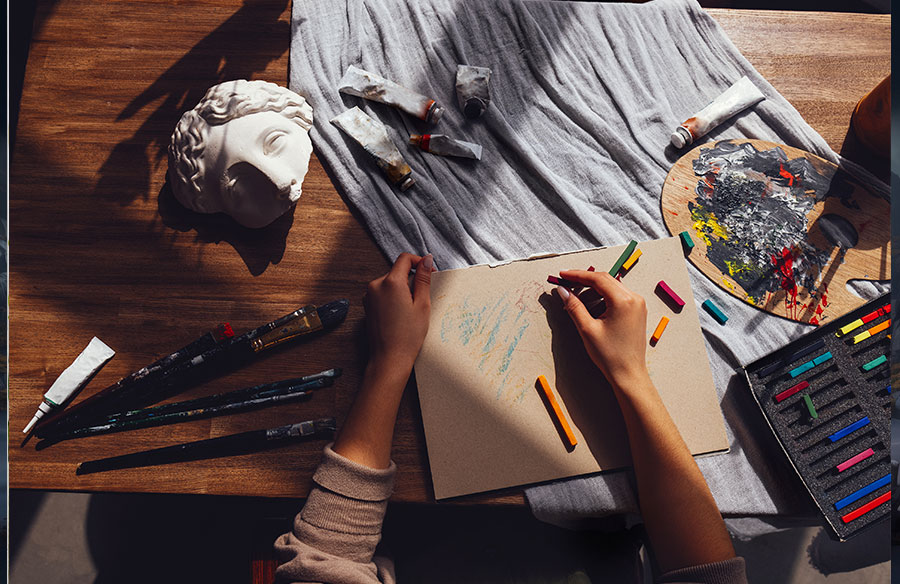
Creativity often flourishes when artists have the right tools at their disposal. While inspiration can strike at any time, the materials you choose can make a major difference in how ideas come to life. From paints and pencils to digital platforms, each medium allows for a unique expression of vision. Among these, alcohol-based markers have become increasingly popular for their vibrant tones and blending capabilities, giving artists a fresh way to build depth and texture in their work.
Why Materials Shape the Artistic Process
The right medium can influence an artist’s approach to shading, layering, and composition. Smooth ink flow allows for seamless gradients, while durable tips make detailed work more achievable. Whether you’re sketching, illustrating, or building layered compositions, high-quality supplies can open the door to new possibilities.
Building Confidence Through Better Supplies
When tools work the way you expect, it eliminates frustration and allows for more focus on technique. Students and professionals alike often find that upgrading their materials leads to more polished results, which in turn boosts confidence and creative exploration.
Exploring Techniques for Smooth Color Transitions
Color transitions can make or break a piece of art, especially in mediums where blending is critical. Alcohol markers stand out because they layer cleanly and produce gradients without streaks, making them a top choice for illustrators and designers looking to create dimension.
Blending Tips for Consistent Results
One way to achieve smoother shading is to use overlapping strokes, gradually building up color intensity. Artists often keep a colorless blender on hand to soften edges and maintain a balanced look between hues.
Layering for Depth and Texture
By layering light colors first and gradually introducing darker shades, artists can avoid muddy tones while achieving a rich, multi-dimensional appearance. This approach also prevents oversaturation, keeping the paper intact and the colors crisp.
List: Three Ways Artists Practice Blending
- Creating gradient swatches before starting a new project.
- Using circular motions instead of straight lines to prevent visible streaks.
- Testing on similar paper to match the final work surface.
Finding Inspiration Outside the Studio
While practice is crucial, inspiration often comes from unexpected sources. Artists who step outside traditional environments tend to find new ideas and techniques, which can bring energy to their work.
Drawing Inspiration from Nature
Textures found in natural settings—like tree bark, clouds, or flowing water—can inspire new approaches to shading and pattern creation. Sketching outdoors can also help capture lighting and movement in real time.
Everyday Objects as Design Sparks
Sometimes, the shapes, colors, and textures of ordinary objects can fuel fresh concepts. Exploring urban architecture, household items, or even the way light hits reflective surfaces can lead to unexpected artistic breakthroughs.
List: Places to Find Inspiration
- Local parks or hiking trails with diverse landscapes.
- Architectural landmarks that offer distinct shapes and symmetry.
- Community art fairs or cultural festivals showcasing varied styles.
Elevating Your Marker Collection
For those looking to take their skills to the next level, investing in professional-grade markers can make a noticeable difference. Collections with a wide spectrum of tones allow for more experimentation, smoother gradients, and the ability to tackle both bold and subtle designs. One such set, azure markers, provides a full palette that supports detailed illustrations and larger compositions alike.
Why Color Variety Matters
Having a broad range of colors not only improves blending but also allows for experimentation with light, shadow, and texture. This can be particularly useful when transitioning between realistic shading and stylized effects.
Caring for Your Markers to Extend Their Life
Proper storage and maintenance are essential to keep markers performing at their best. Keeping them capped tightly, storing them horizontally, and avoiding overly absorbent papers can extend their longevity and keep colors vibrant.
List: Tips for Maintaining Art Supplies
- Store markers away from direct sunlight to avoid ink evaporation.
- Use acid-free paper to preserve both the paper and the ink’s brightness.
- Clean marker tips periodically to prevent buildup that can affect ink flow.
For artists who want to explore layering, shading, and smooth color gradients, the azure markers collection offers a balanced blend of versatility and quality, helping both beginners and experienced illustrators enhance their work.