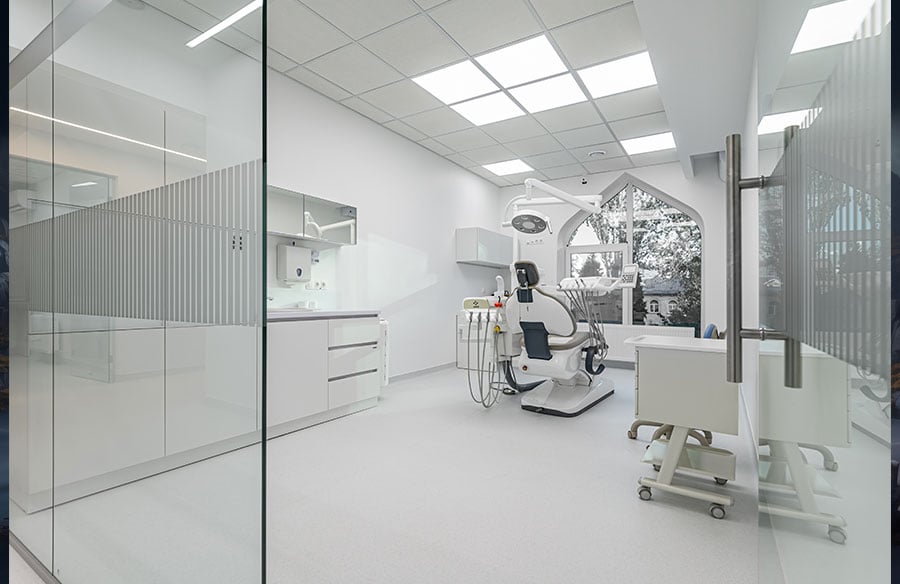
Design matters. Especially when it comes to the spaces where people seek care during moments of pain, discomfort, or anxiety. For an endodontist—whose practice centers on treating dental pain and complex root issues—the clinic’s environment can influence not only patient perception but also clinical efficiency.
Modern trends in healthcare architecture are shifting toward more human-centered, tech-integrated, and sustainable spaces. An endodontic clinic that embraces this shift can offer more than just sterile precision—it can create comfort, trust, and flow.
The Role of Design in Endodontic Care
Architecture in healthcare isn’t just functional; it’s emotional. Patients visiting an endodontist often arrive with high anxiety, possibly in pain, and uncertain about the treatment ahead. A calming, thoughtfully designed space can serve as the first layer of care—before a single word is spoken or tool is picked up.
Meanwhile, for the clinician, layout and workflow matter just as much. Poor design adds friction to daily routines, reduces productivity, and increases stress. A well-planned clinic empowers practitioners to work smarter, faster, and more comfortably.
Designing With the Patient in Mind
Today’s patients expect more than clean surfaces and a polite front desk. They notice lighting, noise, seating, and whether the space feels “clinical” or calming. Endodontist clinics that apply modern design thinking start by understanding what patients feel the moment they enter the door.
Natural light plays a major role. Instead of relying on overhead fluorescent lighting, bringing daylight into the reception and treatment areas can lower stress and boost mood. Neutral or warm color palettes—think soft greens, wood tones, or off-whites—create a sense of calm, especially when paired with natural materials like wood and stone.
Plants, soft textures, and minimal noise add to the effect. These are not just design flourishes—they are therapeutic choices rooted in biophilic design principles. When done right, they don’t just make a clinic prettier—they make it feel safer.
Functionality Comes First
While the patient’s comfort is essential, the core of any endodontist clinic is clinical function. From the moment a patient checks in, to the diagnostic scan, to the procedure chair, the space should guide both staff and patient through a seamless journey.
The operational layout needs special attention. These rooms should be large enough to accommodate assistants, microscopes, and technology—while still allowing free movement. Clean lines, well-placed cabinetry, and integrated equipment prevent clutter and speed up every procedure.
Centralizing the sterilization area near the treatment rooms saves time, while private consultation rooms give space for meaningful conversations. Every square foot should work toward one goal: efficient, focused care.
Integrating Smart Technology
Modern endodontic practices rely on digital imaging, CBCT scans, and computer-based treatment planning. That means the design must plan for more than just outlets and countertops.
Wall-mounted screens, concealed wiring, and custom cabinetry make sure that equipment blends into the environment. This isn’t about hiding the tech—it’s about making it intuitive, clean, and accessible without overwhelming the space.
When designing from the ground up, placing server closets, data ports, and future upgrade paths should be done early. Retrofitting later is expensive and messy.
Thinking Ahead: Designing for Scalability
Technology evolves, patient demand fluctuates, and staffing needs change. That’s why the smartest clinics are designed to adapt.
Modular walls, flexible furniture, and multi-purpose rooms make it easier to evolve with time. A consultation space today might become a second operation tomorrow. The waiting area might one day support remote check-ins or virtual consultations.
Rather than locking into a rigid structure, modern planning builds in options.
Avoiding Common Design Mistakes
Many clinics miss the mark by trying to look too “fancy” or futuristic. Overdesign can backfire, especially when it leads to uncomfortable furniture, cold materials, or poor acoustics. Others underestimate the importance of sound control, leading to spaces where patients overhear treatments or consultations—hurting trust and privacy.
Ventilation is another overlooked aspect. Especially in surgical environments like endodontics, airflow affects hygiene, comfort, and even focus.
Instead of copying design trends blindly, the focus should always return to the patient experience and the clinical workflow.
Estimating the Cost and Space Requirements
For those planning or renovating an endodontic clinic, here’s a simplified estimate to consider:
- Treatment Rooms (x3): 120–150 sq ft each, costing around $20,000–$30,000 per room depending on finish and equipment.
- Reception Area: 250–300 sq ft, budget about $10,000–$15,000 for design and furnishings.
- Sterilization Center: 100 sq ft, around $5,000–$8,000 to build and equip.
- Imaging Room (CBCT): 150 sq ft, with equipment costing $30,000–$50,000.
- Interior Finishes: Estimate $50–$100 per sq ft depending on design choices and materials.
- Technology Integration: Budget between $20,000–$40,000 for network setup, imaging systems, and practice management software.
These numbers vary by region and project scale, but they help frame the planning conversation realistically.
Final Thoughts
Designing an endodontist clinic is a blend of art and function. It’s not about creating a luxurious space—it’s about creating the right space. A place where patients feel calmer, clinicians feel focused, and every element supports the work being done. Clinics like Nuffield Dental have shown how thoughtful planning and modern design can create environments that elevate both patient experience and clinical precision. When architecture, psychology, and technology come together with intent, the result is more than just a clinic. It’s a care environment—modern, human, and future-ready.
Frequently Asked Questions
How Can Clinic Design Affect Patient Anxiety?
Elements like natural light, calming colors, and reduced noise help patients feel at ease. These subtle details make a significant difference in how patients perceive pain and care quality.
What Is the Ideal Size for an Endodontic Operatory?
Most experts recommend 120 to 150 square feet per room. This provides enough room for equipment, personnel, and maneuverability during procedures.
Is It Worth Investing in Custom Cabinetry?
Yes. Custom cabinetry tailored to the equipment and workflow of an endodontist ensures better organization, improved hygiene, and time savings during treatments.
Can an Endodontic Clinic Use Residential Design Features?
Absolutely—if done carefully. Elements like soft textures, wood tones, and ambient lighting can humanize the space while still meeting medical standards.