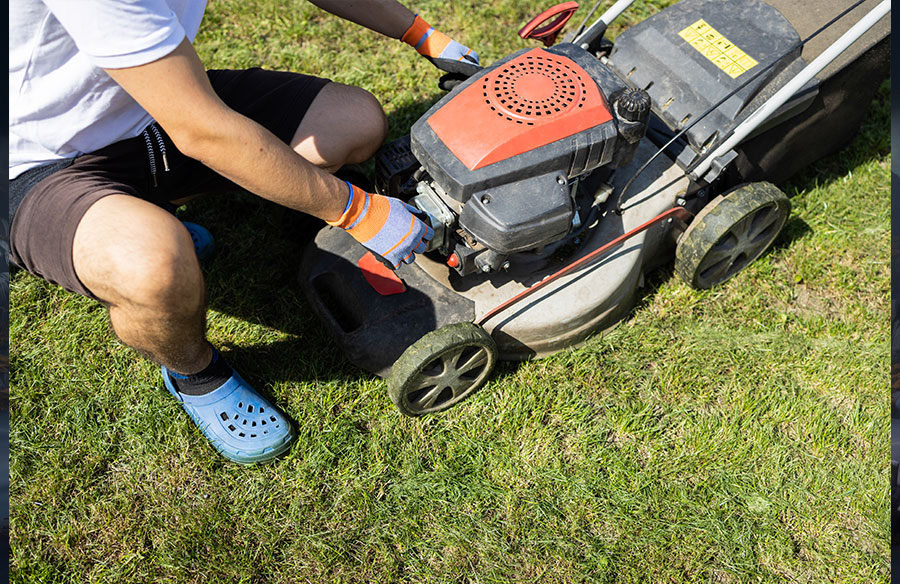
There’s something deeply satisfying about a freshly cut lawn, the neat lines, the uniform height, that sweet smell of grass in the air. But let’s be honest, none of that happens if your mower isn’t in good shape.
We’ve been through my fair share of mower troubles, blades that won’t cut, engines that refuse to start, and that one time we forgot to check the oil (lesson learned). Over the years, I’ve picked up a thing or two about how these machines work and how to keep them running smoothly.
If you’ve ever stared at your mower wondering what all those parts do or why it suddenly decided to quit on you, this guide is for you. No fancy jargon, just simple explanations to help you understand (and maybe even fix) your lawn mower parts without pulling your hair out.
The Engine: The Heart of Your Mower
Think of the engine as the mower’s brain and muscles combined. If it’s not happy, nothing works. Most home mowers have a four-stroke engine (the kind that uses separate gas and oil), and keeping it running well isn’t as complicated as it sounds.
Key Parts You Should Know:
- Spark Plug – This tiny part is what gets the engine firing. If your mower is hard to start or runs rough, the spark plug might be dirty or worn out. A quick clean or replacement can make a world of difference.
- Air Filter – A clogged air filter is like trying to breathe through a straw. If your mower’s engine sounds like it’s struggling, check this first. Foam filters can be washed, while paper ones need replacing.
- Carburetor – This mixes fuel and air before it hits the engine. If your mower sputters or dies when you try to throttle up, the carburetor might need cleaning (especially if you left old gas sitting in it over winter).
- Oil – Just like a car, your mower needs clean oil. Running it low or dirty is a surefire way to shorten its life. Check the dipstick regularly and change the oil at least once a season.
A little engine care goes a long way. A quick tune-up at the start of mowing season can save you from bigger headaches later.
The Cutting System: Blades and Deck
The whole point of a mower is to cut grass, and that all comes down to the blade and the deck. A dull blade doesn’t just give your lawn a ragged look, it also makes the engine work harder, which can lead to bigger problems.
Types of Blades:
- Standard Blades – Your everyday cutting blade. Good for most lawns.
- Mulching Blades – These chop grass into tiny pieces and drop them back onto the lawn as natural fertilizer. Great if you hate bagging clippings.
- High-Lift Blades – These create more suction, which helps if you’re bagging your grass.
The mower deck is the metal housing around the blade. If it gets dented or clogged with grass clippings, the airflow gets messed up, and your lawn ends up looking uneven. A quick scrape-down after each mow helps prevent buildup.
The Drive System: How Your Mower Moves
If you’ve got a self-propelled mower, the drive system is what saves you from pushing all that weight around. There are three main types:
- Front-Wheel Drive – Easier to steer but can struggle on hills.
- Rear-Wheel Drive – Better for slopes and tougher terrain.
- All-Wheel Drive – The best of both worlds, but usually pricier.
What Can Go Wrong?
- Drive Belt – If your mower suddenly stops moving forward (but the engine is still running), the drive belt might be worn or broken.
- Transmission – Some mowers have gears, others use fluid-driven systems. If yours is getting harder to push or jerky when moving, it might need a look.
A quick check of the belts and wheels at the start of the season can save you from a mid-mow breakdown.
The Fuel System: Keeping the Engine Running
Nothing’s more frustrating than a mower that won’t start, and most of the time, the problem is in the fuel system.
- Fuel Tank – Seems simple, but old gas is the #1 reason mowers won’t start. If it’s been sitting for months, drain it and use fresh fuel.
- Fuel Filter – A clogged filter means no gas reaches the engine. If your mower starts but then dies, this could be the culprit.
- Fuel Lines – Over time, these can crack or get brittle. A small leak can be dangerous (and a fire hazard), so replace them if they look worn.
Pro tip: If you know you won’t be using your mower for a while, either drain the gas or add a fuel stabilizer to keep it fresh.
The Electrical System: For Push-Button Starts
If your mower has an electric start or safety features, the electrical system is what makes it all work.
- Battery – Weak or dead batteries mean no electric start. Keep the terminals clean and charge it if needed.
- Ignition Coil – This sends power to the spark plug. If your mower has no spark, this might be the issue.
- Safety Switches – Many mowers won’t start unless the blade is disengaged or you’re sitting on it (if it’s a riding mower). If nothing happens when you turn the key, check these first.
Simple Maintenance Tips to Keep Your Mower Running
You don’t have to be a mechanic to keep your mower in good shape. A few basic habits can make a huge difference:
- Change the oil every season – Dirty oil kills engines fast.
- Sharpen the blade at least once a year – A sharp blade cuts cleaner and reduces strain on the engine.
- Clean the deck after mowing – Built-up grass leads to rust and uneven cuts.
- Check the air filter regularly – A dirty filter makes the engine work harder.
- Use fresh gas – Stale fuel is the enemy.
Conclusion
A lawn mower is one of those tools we don’t think much about, until it stops working. But with a little basic knowledge and some simple maintenance, you can keep yours running smoothly for years. Next time you mow, take a quick look under the hood (so to speak). A few minutes of care now can save you hours of frustration later. Now go enjoy that perfectly cut lawn, you’ve earned it.