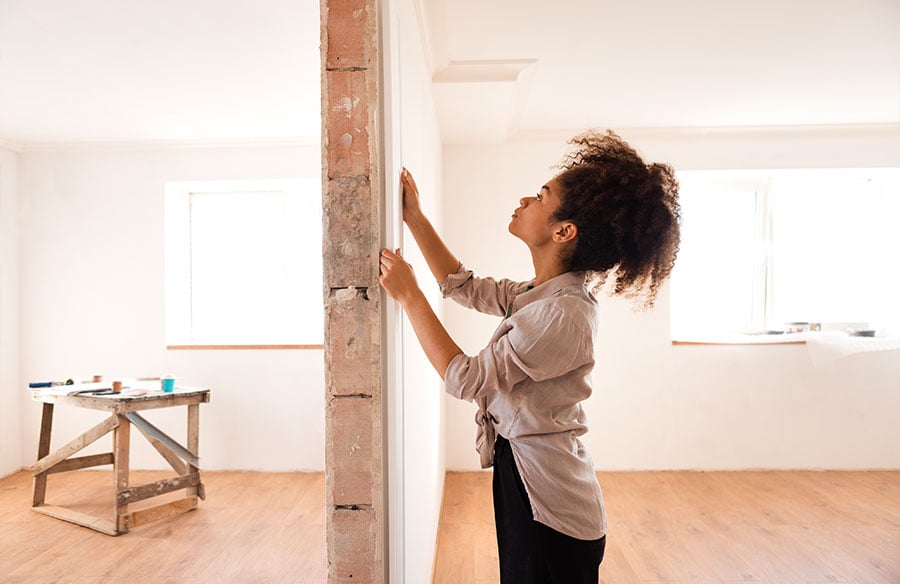
An untouched home for decades can be nostalgic. There’s character, but there’s also wear and parts of the house that haven’t aged well. Whether the plan is to flip or settle an estate, decide what to tackle first to shape how quickly the property moves forward.
Before jumping into big projects, the best approach is to strip it back. Deal with what matters most to buyers or valuers.
Start With the Structure and Safety
There’s no point styling the living room if the stumps are sinking. First, confirm that it’s sound. Check the roof for leaks and the walls for signs of termites. Get a licensed inspector to do a walk-through before any plans begin.
In homes that have sat idle for years, utilities are another red flag. Old fuse boxes or corroded gas fittings can stall progress. They also trigger costly surprises halfway through a renovation. Addressing structural issues might not be visible in the final photos. Still, it protects the timeline and budget.
Electrical rewiring and plumbing upgrades are a priority in older homes. This is more needed in properties where nothing has been touched since the 70s. Many buyers expect compliance with today’s safety standards. For most of us, retrofitting is a no-no.
Prioritise Where It Adds Value
Once the core is stable, the next step is choosing updates that actually lift the property’s appeal. This means thinking like a future buyer or tenant. What will matter when someone walks through the door?
A fresh kitchen or updated bathroom often delivers strong returns. But the scale of renovation should match the home’s likely resale bracket. Going overboard in a modest suburb won’t pay off. In most cases, clean and functional wins over flashy.
Paint is the lowest-cost, highest-impact update. Dated colours and old wallpaper drag the whole property down. Neutral tones help the space breathe and photograph better.
Flooring comes next. Old carpet that smells musty or has gone threadbare makes an instant impression. Depending on budget, vinyl planks or polished floorboards are a clean, modern fix.
Curb appeal also matters. A worn-out façade creates doubt before anyone steps inside. Tidy up the yard and pressure wash the path.
Don’t Blow the Budget on the Wrong Rooms
It’s easy to get caught up in the details. Homes that have sentimental ties make it even harder. However, overcapitalising is a common mistake, especially when dealing with deceased estate renovation in Melbourne.
Keeping the renovation plan grounded in the home’s value range protects future returns. A custom-tiled splashback might look great, but it won’t fix a bigger problem.
Focus first on spaces that set the tone for the whole house. That usually means:
- Kitchen layout and condition
- Bathroom plumbing and lighting
- Entryway or living room presentation
- Bedroom flooring and wall state
- Basic energy efficiency—like windows and insulation
Once those are under control, extras like pendant lights, custom joinery, or statement paint colours can come in as finishing touches.
Avoid Delays by Planning Around Access
Before starting demolition or calling tradies, check if the home has any quirks that could slow things down. Narrow hallways, steep steps, or tight front yards make it harder to get materials in or out. This is common in older builds or properties on sloped blocks.
Delivery routes, skip bin access, and safe parking for contractors should all be mapped out early. If delays start piling up from poor access, even simple updates can stretch into weeks.
In homes that haven’t been updated in years, materials can also be tricky. Some may contain asbestos, which needs licensed removal. Others may be handmade or custom-sized. However, this means replacement takes longer than expected.
Knowing what’s ahead manages the budget and timeline more realistically. Rushing into cosmetic updates without checking these details first leads to cost overruns.