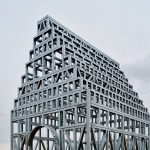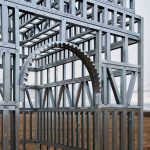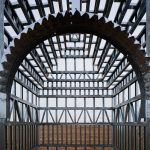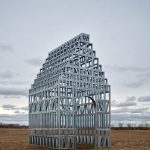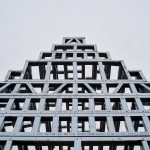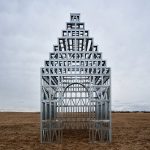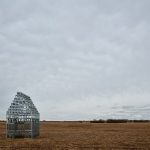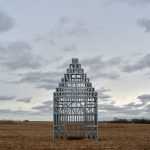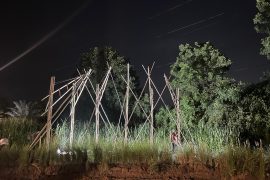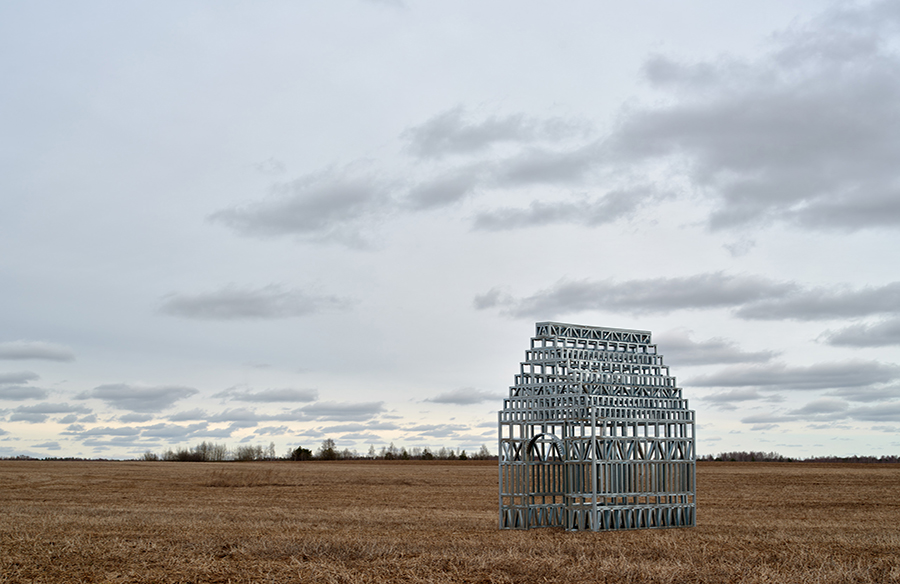
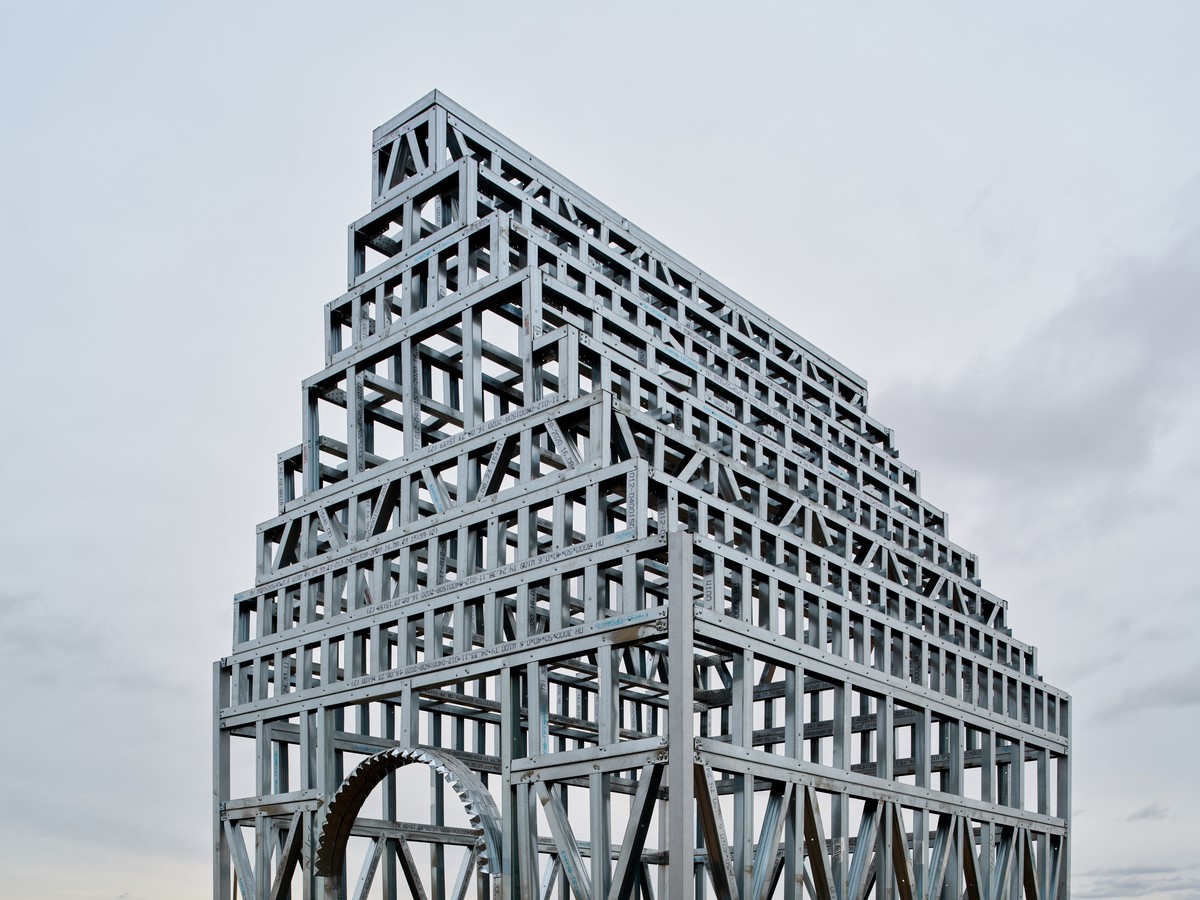
Across a quiet field near Suzdal — one of Russia’s oldest towns — an unexpected structure rises against the sky: an airy skeleton of steel, echoing the form of a house with a pitched roof. This contemplative installation, crafted by the architectural studio Le Atelier and named Temple of the Labourers, honours the quiet labourers and artisans whose touch animates every architectural dream.
Project Name: Temple of the Labourers
Studio Name: Le Atelier Architectural Bureau
Location: Menchakovo village, Suzdal district, Vladimir region, Russia
Year: 2024
Project team: Sergey Kolchin, Natalia Senyugina
Photo: Maxim Loskutov
Architects of renown are remembered — not just within the profession, but far beyond. Some names, like that of Imhotep, the legendary Egyptian builder and thinker of the 27th century BCE, have endured for millennia.
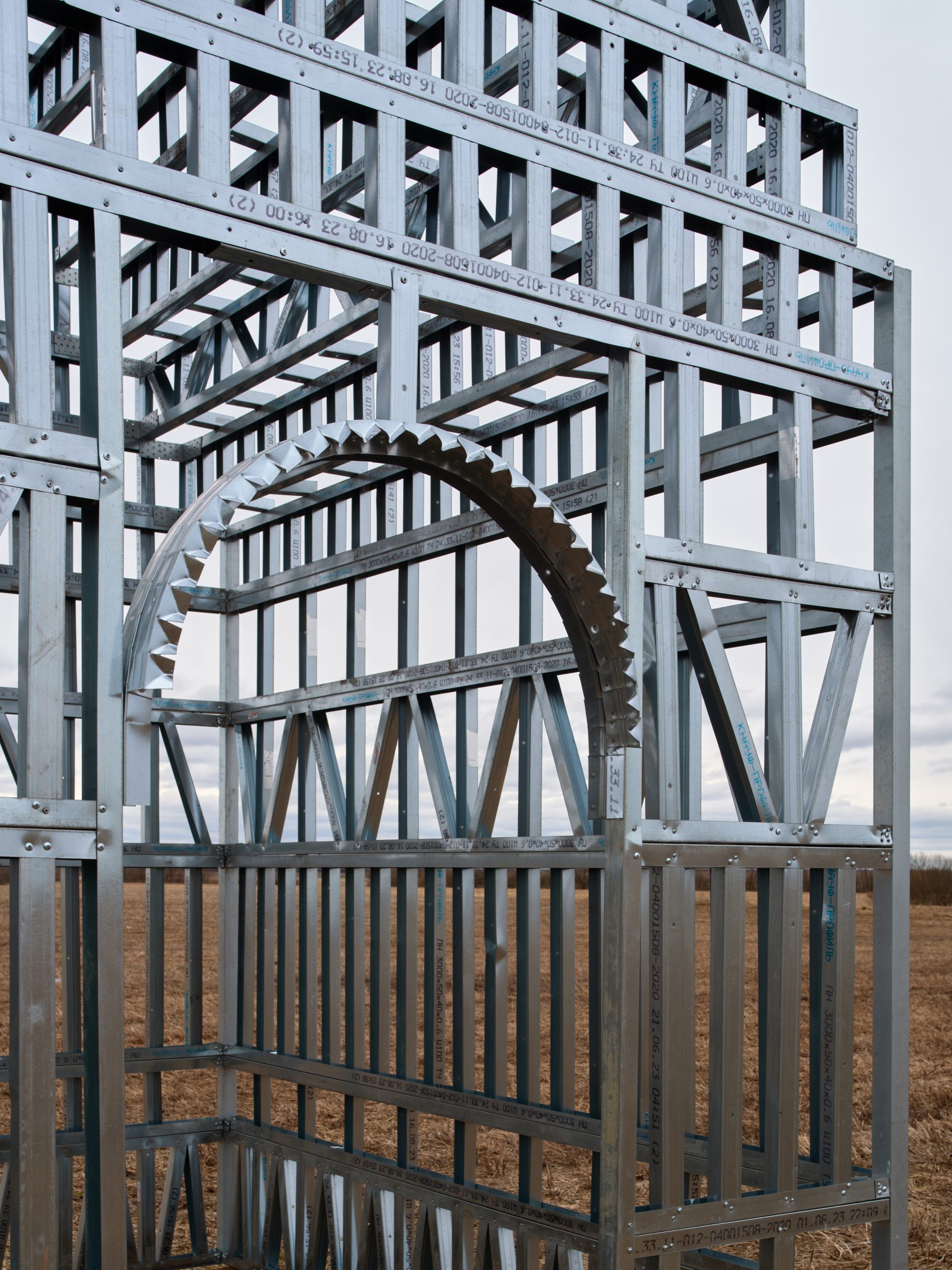
But behind every celebrated figure lies a multitude of others: builders, joiners, plasterers, painters — hands stained with work, minds trained not by theory but by years of craft. Around 233 generations have passed since Imhotep’s time, yet the legacy of these silent contributors rarely finds its way into the canon. Their presence is everywhere, though their names are not.
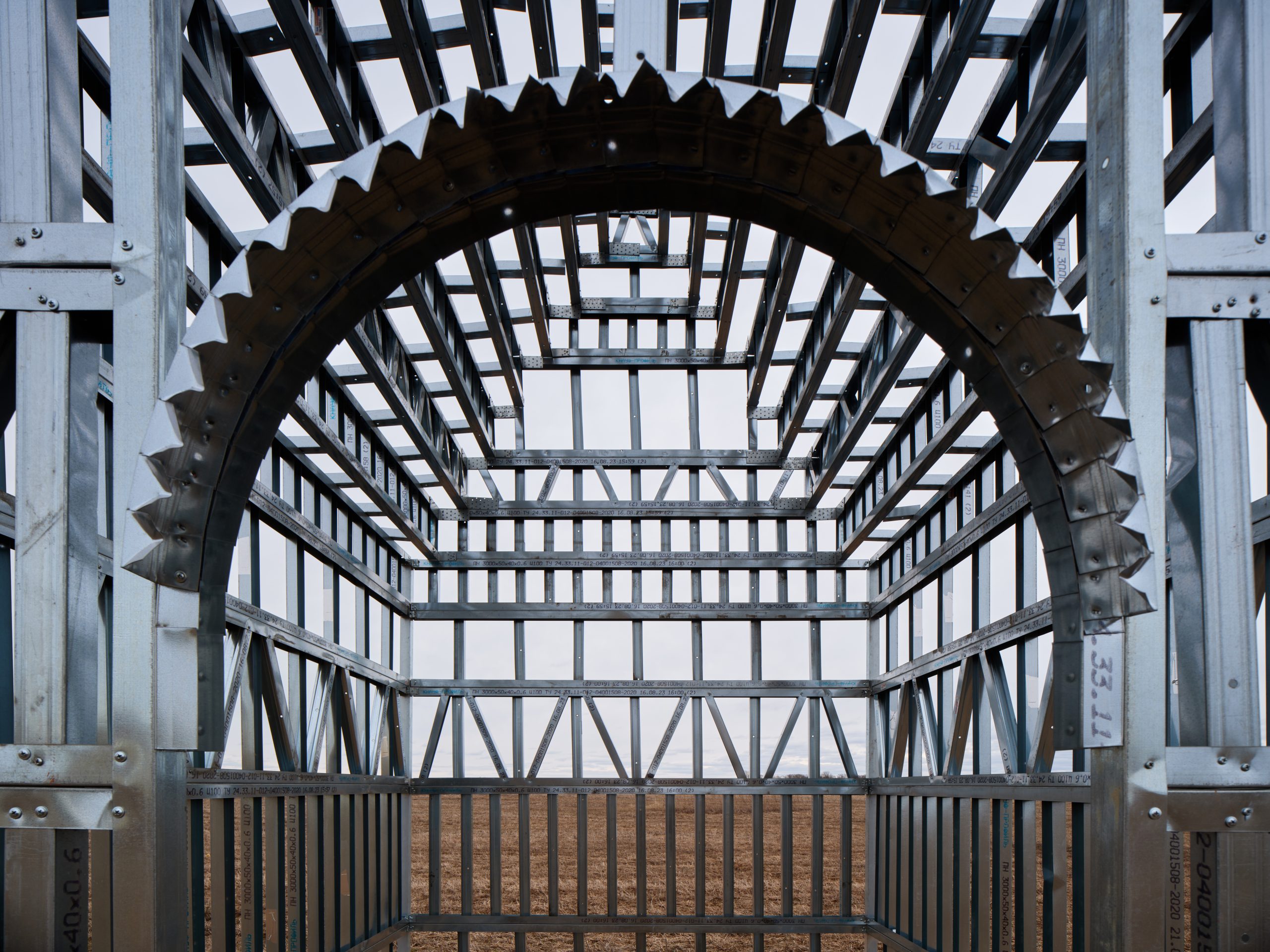
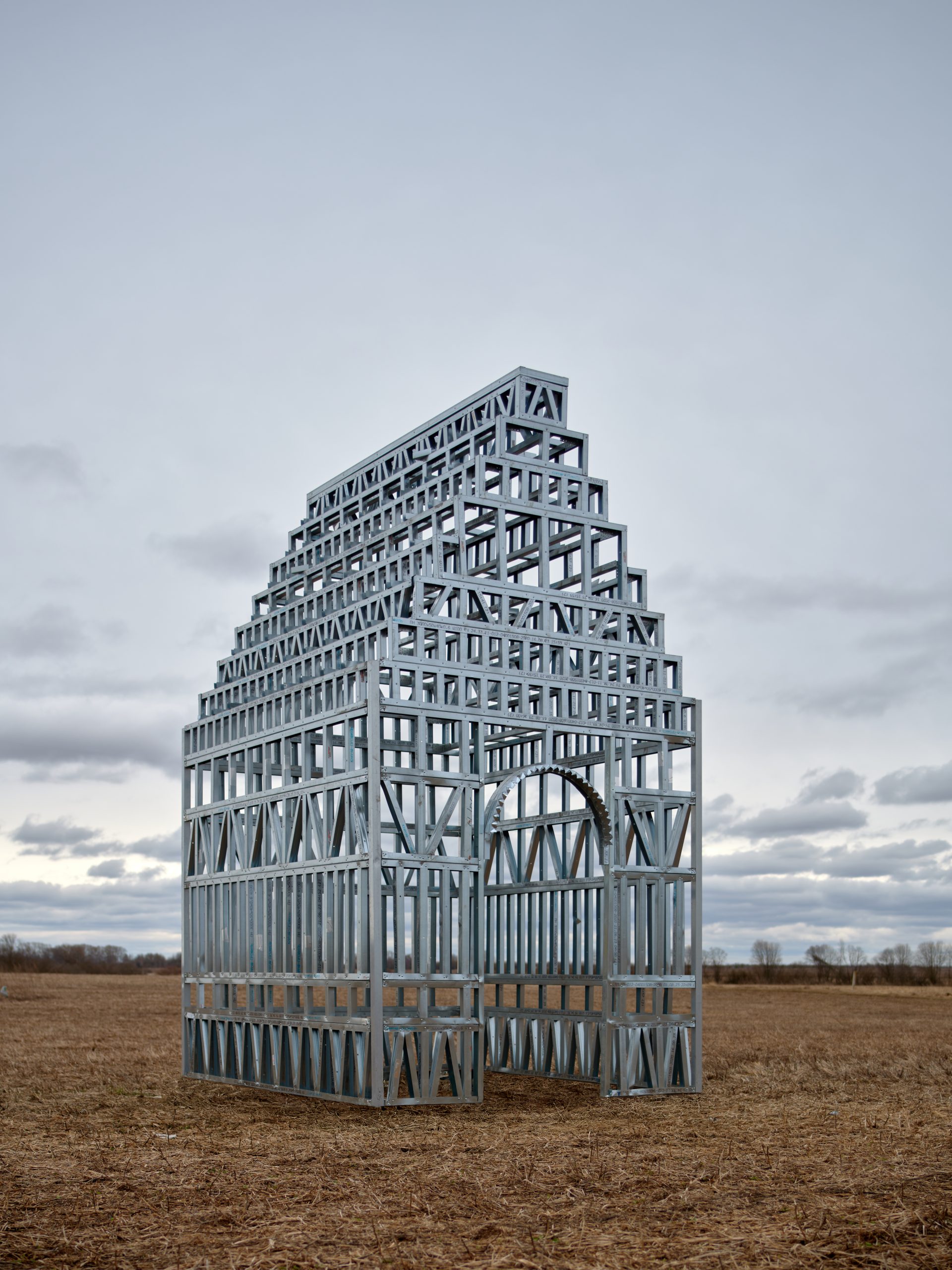
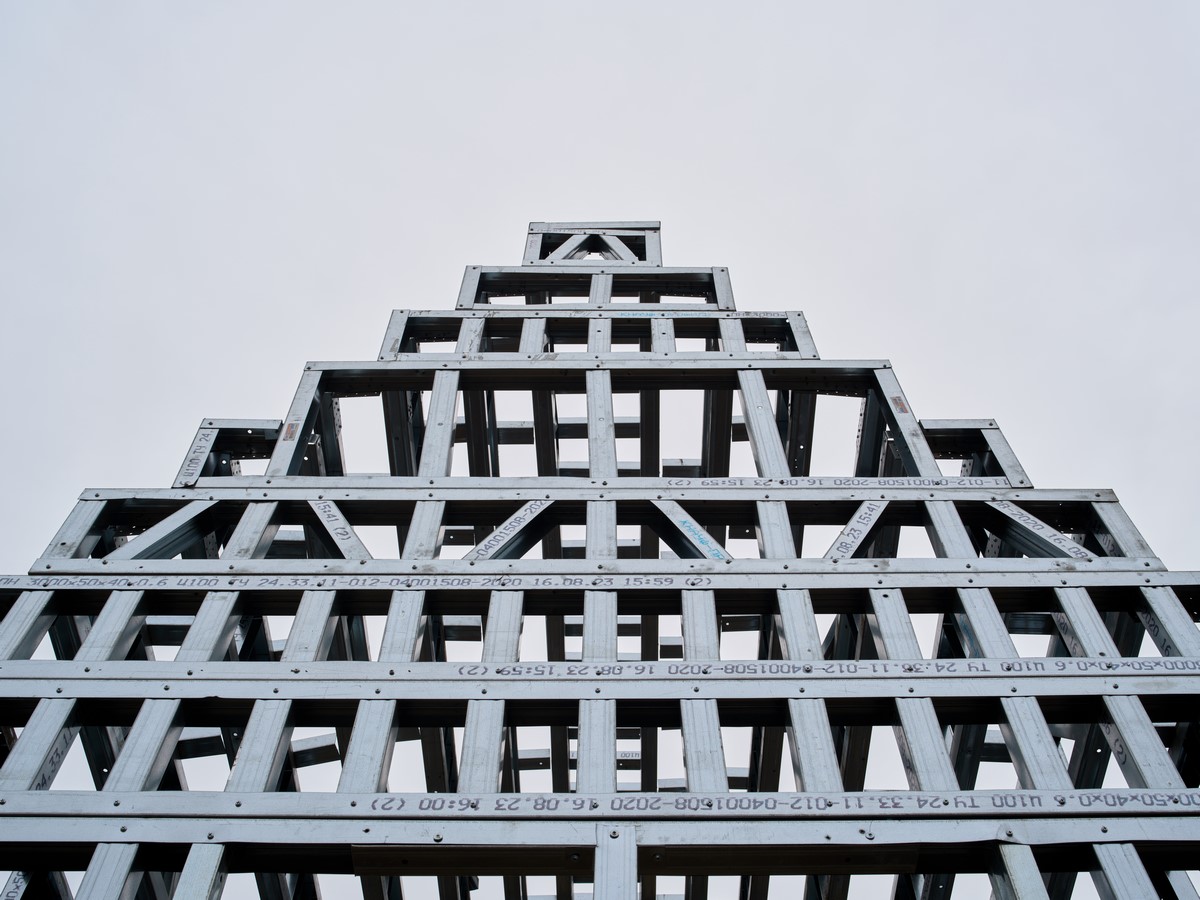
The installation itself embodies this idea. Built from the humble metal profiles used to support drywall — elements never meant to be seen — it reveals what is usually hidden. The structure draws upon Le Atelier’s long engagement with rural vernacular architecture, where dwellings emerge from necessity, skill, and instinct rather than formal design. Constructed with minimal waste, the piece seamlessly merges with a region shaped by self-built landscapes.
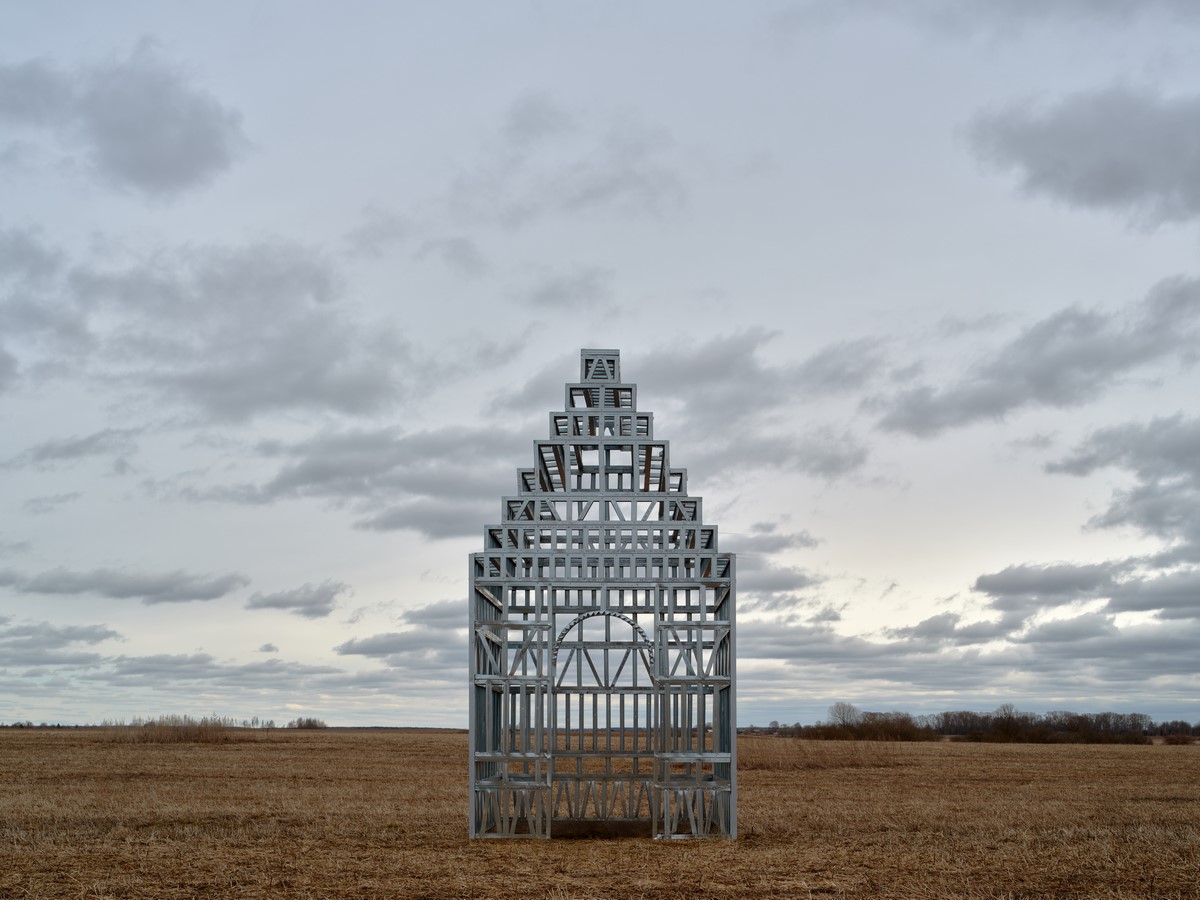
Its location, too, speaks quietly. Set near the village of Menchakovo in Vladimir Oblast, the Temple rests in a place of quiet heritage. Suzdal, just nearby, dates to the year 1024. Menchakovo was first recorded in 1795, when a stone church to the Virgin’s Nativity was raised. In recent years, a gentle revival has begun — ethical tourism, renewed homes, and the appearance of contemporary artworks, signalling the return of creativity to the countryside.