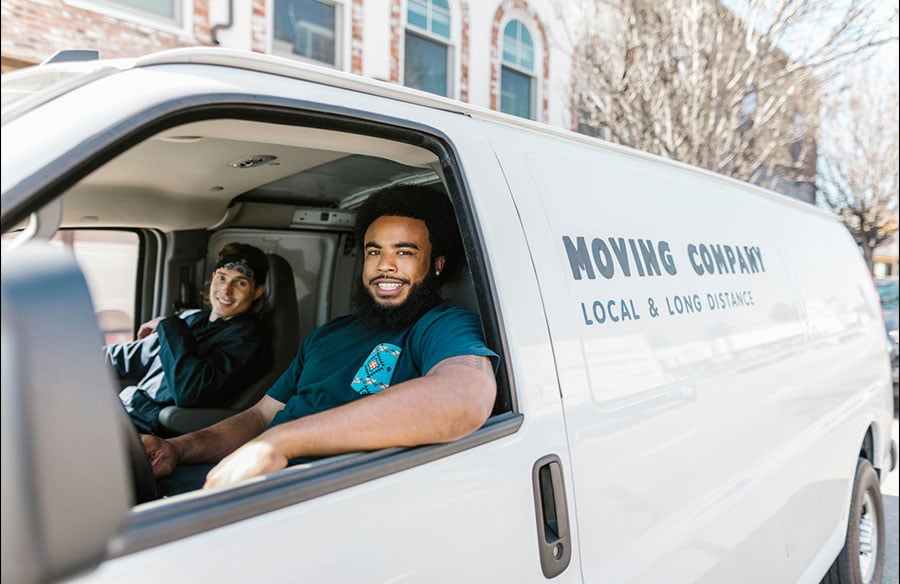
We tend to think of moving as a massive, cross-country ordeal that needs months of planning and a mountain of boxes. But ask anyone who’s tried to relocate just a few blocks in a busy urban area, and they’ll tell you: short-distance moves come with their own brand of chaos. Whether you’re shifting apartments in Arlington County or hopping from a townhouse to a nearby condo, the margin for error is surprisingly small.
The reason? Local moves often lull people into a false sense of simplicity. “It’s just around the corner,” we say—until parking becomes a nightmare, stairs turn into an Olympic event, and the elevator you didn’t reserve becomes your greatest regret. That’s why having experienced movers for short-distance relocations can make all the difference. They’re not just hauling boxes—they’re managing timing, access, and flow in tight environments that don’t leave much room for mistakes.
The Myth of the “Easy Local Move”
Let’s clear something up right away: short doesn’t mean simple.
People often assume that because the destination is close, they can wing it. They skip proper packing, underestimate time, and figure a few friends and a truck will do the trick. But this kind of move still involves loading, transportation, and reassembly—and when it’s done under pressure, every misstep becomes magnified.
Think about it: local moves often happen within cities. Cities mean narrow streets, limited loading zones, and buildings with rules. You may only have a one-hour window to use the elevator. You might need a permit just to park a van in front of your building. And if your new place is on a one-way street during rush hour? Good luck.
Why Local Moves Are Actually High Stakes
A short-distance move compresses everything—distance, time, and often, the help available. There’s less room for error because you’re often juggling work, life, and the move all in one day.
Here’s what raises the stakes:
- Tight timelines: Many short moves happen in a single day, which means everything needs to run on schedule.
- Urban complexity: Arlington County, for example, blends dense neighborhoods with office hubs. That means traffic patterns, zoning quirks, and stair-heavy walk-ups are the norm.
- Underestimated effort: People don’t plan buffer time for traffic, weather, or waiting on keys. It adds up fast.
In short, a short move isn’t less work—it’s just faster-paced.
The Arlington County Factor: Urban Moves with Unique Rules
Arlington is compact, connected, and full of life. It’s also packed with mid-rise buildings, duplexes, and single-family homes sharing tight streets. So when someone decides to move across town, they’re often dealing with:
- Limited parking access
- HOA restrictions on moving hours
- Buildings that require elevator reservations
- Zoning laws that affect where trucks can stop
These are the kinds of details experienced movers think about before the move starts. They scout the location, ask the right questions, and time their work with precision. A DIY approach often doesn’t account for this.
What Expert Movers Bring to the Table
So, what sets a short-distance pro apart from just renting a truck?
1. Precision Timing
Pro movers create detailed timelines and buffer zones so small setbacks don’t throw the whole move off. They know when to schedule pickups and when traffic starts snarling.
2. Access Management
They’ll check for permits, elevator slots, and street parking in advance. You won’t be scrambling with a dolly and nowhere to unload.
3. Packing and Protection
Even a short drive can damage your stuff if it’s not packed right. Pros secure everything with proper materials and loading techniques so nothing shifts, scratches, or breaks.
4. Local Knowledge
Movers who know Arlington know when school zones slow traffic, which buildings require insurance certificates, and how to pivot fast when plans change.
Hidden Costs of Doing It Yourself
The appeal of DIY is clear: it feels cheaper. But hidden costs creep in quickly:
- Truck rentals by the hour can get expensive when traffic hits.
- Last-minute supplies like tape, blankets, and straps often add up.
- Broken items or scuffed walls can cost more than the move itself.
- Personal injury from heavy lifting can mean medical bills (or at least a few days on the couch with sore muscles).
And don’t forget time. Time off work. Time wasted coordinating helpers. Time lost when things don’t go smoothly.
The Emotional Side of Local Moves
It’s easy to overlook the emotional toll too. Moving is exhausting, even when it’s a short hop. It disrupts routines, delays productivity, and adds stress—especially when things go wrong. You want a team that reduces the mental burden, not adds to it.
Professional movers bring confidence into the equation. You know your belongings are in good hands. You know things are on schedule. That peace of mind is worth a lot, especially if you’re also juggling a job, family, or tight deadlines.
Designing Moves with Urban Living in Mind
Modern cities are designed for density, not moving trucks. That’s why local relocation planning should take cues from the same principles urban designers use: efficiency, flow, and minimal disruption.
Experienced movers act almost like urban logistics consultants. They see the entire route—not just the distance between addresses, but the space between doors, the width of hallways, and the slope of driveways. It’s about matching your move to your city’s blueprint.
Want to avoid blocking traffic or stressing your neighbors? That takes more than good intentions. It takes experience.
How to Choose the Right Moving Partner for a Local Relocation
Here’s a quick checklist for finding the right crew for your short move:
- Do they specialize in local moves? Ask if they’ve worked in your neighborhood before.
- Can they help with building access logistics? Elevator reservations and parking plans are a must.
- Do they offer full-service packing or partial help? Flexibility matters.
- Are they insured and licensed? A simple “yes” should come with documentation.
- Do they work on weekends or evenings? Especially helpful if you need to avoid business-hour disruptions.
It’s not about the fanciest website or the biggest truck. It’s about a team that understands short-distance complexity.
Local Doesn’t Mean Last-Minute
If there’s one takeaway here, it’s this: just because your move is short doesn’t mean you can delay planning. In fact, local moves often require tighter planning because everything happens fast.
Start with a timeline. Talk to your building manager. Lock in a mover early. Treat your move with the same seriousness as you would a long-distance relocation. Your future self will thank you.
 Final Thoughts: Move Smarter, Not Harder
There’s something satisfying about a local move done right. You leave one chapter and step into the next, all within the same zip code. When it’s efficient, seamless, and drama-free, it can actually feel kind of… fun.
But to get there, you need more than enthusiasm and elbow grease. You need experience, planning, and the right partner who understands your neighborhood as well as you do.
Because short moves can leave long-lasting impressions—good or bad. And when you treat them with the respect they deserve, you set yourself up for a smooth landing.