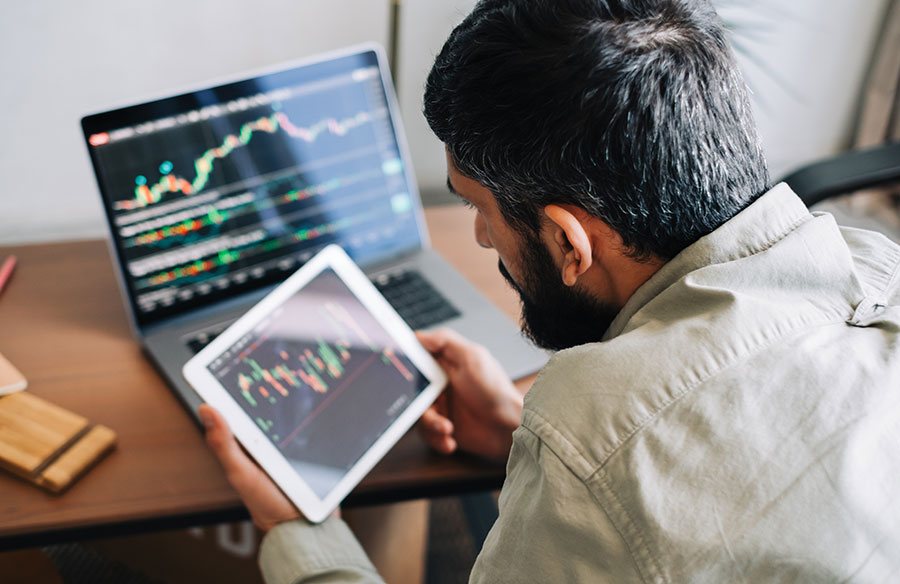
Commodity trading is changing fast. New technology, stricter regulations, and global uncertainties keep traders alert. If you feel like you’re navigating a maze of challenges daily, you are not alone. For instance, automation is changing how trades occur. Tools powered by AI make processes faster but also bring new risks to address. Traders must adjust or risk falling behind in this changing market. This blog will help you understand these changes and prepare for what’s next. You’ll learn about the latest tech trends, market developments, and effective ways to manage risk.
Stay tuned—helpful insights are on the way!
Emerging Technologies Shaping Commodity Trading
Technology is shaking up how trades happen and are settled. Tools today are faster, sharper, and more reliable than ever.
AI and Automation in Trade Execution
AI is changing the way commodity traders work. Algorithms can now analyze vast datasets in seconds, identifying trends and improving buying or selling decisions. Automated systems manage repetitive tasks like order matching and price monitoring, saving time while minimizing errors. “Efficiency drives profits; automation delivers both.” Using predictive analysis, these tools foresee market shifts more accurately than before. AI also enhances timing by executing trades quickly during volatile periods. Traders gain a stronger advantage as machines respond faster to changes than any human could handle manually.
Blockchain for Transparent Transactions
Blockchain eliminates ambiguity in commodity trading. Traders can trace the origin of goods, ensuring a clean supply chain. Every transaction gets recorded on an immutable ledger, reducing fraud risks. Contracts execute automatically with smart contracts, cutting delays and human errors. These systems also require protection from digital threats—many cybersecurity firms now specialize in safeguarding blockchain networks to ensure transaction integrity. These features simplify audits and enhance trust between buyers and sellers. This technology also lowers operational costs by removing intermediaries. It speeds up payment processes while maintaining accuracy. Companies using blockchain gain better insights into inventory levels and delivery timelines. With competition increasing in digital markets, staying ahead requires adopting such tools effectively.
Key Market Trends to Watch
Commodity markets aren’t standing still—they’re changing at lightning speed. Traders must adjust or risk lagging in this competitive field.
Rising Competition and Staffing Challenges
Fierce competition in commodity trading has reduced profit margins. More players are entering the market, making it harder to maintain an advantage. Companies must adjust quickly or risk falling behind. Staffing shortages add another layer of difficulty. Experienced talent is limited as younger generations often disregard this industry. Retaining skilled professionals while attracting fresh talent requires inventive approaches and improved workforce planning.
The Push for Digitalization in Commodity Markets
Digital tools are rapidly changing commodity trading. Many businesses now invest in platforms that use real-time data to track prices and supply chains. These systems enhance decision-making speed, saving hours of manual work. Cloud-based solutions also lower infrastructure costs while enabling traders to operate from anywhere. Businesses seeking reliable implementation often turn to providers offering IT managed services in Austin and other tech-driven regions for seamless integration.
Data-driven operations are no longer optional—they’re essential, says a market expert. Competition urges firms to adopt digital updates faster than before. In 2023, over 70% of global traders reported increased spending on trading technology. AI algorithms analyze market trends accurately, helping companies predict price shifts effectively. Without these advancements, staying ahead becomes increasingly difficult in unpredictable markets.
Advanced Risk Management Strategies
Managing risks keeps traders on their toes every day. Smart strategies can mean the difference between smooth sailing and stormy waters in volatile markets.
Addressing Credit and Supply Chain Risks
Credit risks can inhibit cash flow and disturb operations. Traders must evaluate clients’ creditworthiness before deals, monitoring payment histories carefully. Maintaining sufficient cash reserves protects against defaults. Employing AI tools for real-time risk analysis strengthens decision-making under pressure. Supply chain issues add another layer of complexity. Delays, geopolitical tensions, or material shortages affect commodity availability and pricing. Strengthening supply chain resilience through varied suppliers and clear contracts reduces disruptions. Technology adoption improves visibility across the entire supply chain network, ensuring more efficient processes.
Enhancing Counterparty Risk Assessment
Assess counterparties with tools that track financial stability. AI-powered platforms identify liquidity concerns or payment delays promptly, reducing risk.
Establish specific limits on trading volume for high-risk partners. Use up-to-date information to modify terms swiftly if market conditions change.
The Future of Regulations in Commodity Trading
Regulations shift like sand in a storm, requiring traders to remain attentive and flexible. Staying prepared means recognizing rules that could change markets instantly.
Navigating Sanctions Compliance
Sanctions require strict compliance, and errors can result in significant financial losses. Commodity traders need to closely track global regulatory changes. Governments can impose restrictions on countries, companies, or individuals with minimal warning. Staying informed requires employing up-to-date information to avoid restricted entities in transactions. Disregarding compliance measures leads to financial penalties and operational challenges. Automating routine checks minimizes mistakes and improves efficiency. Tools for monitoring export controls and dual-use goods help simplify risk assessment across supply chains. Being prepared for unexpected audits ensures more efficient operations under increased scrutiny.
Adapting to Evolving Regulatory Requirements
New rules in commodity trading often pop up like storm clouds. Regulatory compliance demands constant vigilance. Traders must stay ahead by tracking changes and tweaking strategies quickly. Ignoring updates risks penalties, lost licenses, or market access restrictions. Digital tools simplify navigating regulatory changes. Automated systems can monitor sanctions lists or trade limits in real time. Regulatory audits are also becoming stricter, requiring airtight documentation on trades and counterparties to avoid trouble later.
Conclusion
The road ahead for commodity traders is anything but dull. Technology will redefine how deals are made and risks are managed. Trends like digital advancements and ESG priorities require focus. Staying informed with tools and knowledge will distinguish leaders from followers. Adjust or risk being left behind!