

Workplace clothing is no longer just about functionality – it is about making a statement. Apparel is used by brands to convey identity, professionalism, and unity. When it comes to outfitting staff in the retail, hospitality, or industrial industries, the choice of the right decoration technique is critical when making an investment in workwear with company logo applications. Each of the options has its own balance of aesthetic value, longevity, and material compatibility.
Embroidery: Classic Texture with Lasting Impact
Among the most popular ones, embroidery produces a raised, textured effect created by tightly stitched thread. It works particularly well on heavier clothing such as polo shirts, jackets, and fleece lined clothing.
Strengths of Embroidered Logos
Stitching is resistant to regular washing and thus suitable for uniforms subjected to harsh conditions. It provides structure and colour over time, providing a tactile premium finish that feels professional.
Drawbacks and Limitations
Embroidery can, however, have problems with thin, lightweight fabrics, whereby puckering or distortion may occur. Complex designs with tiny details can lose clarity because of the limitations for the density of threads.
Screen Printing: Bold Colour and Clean Lines
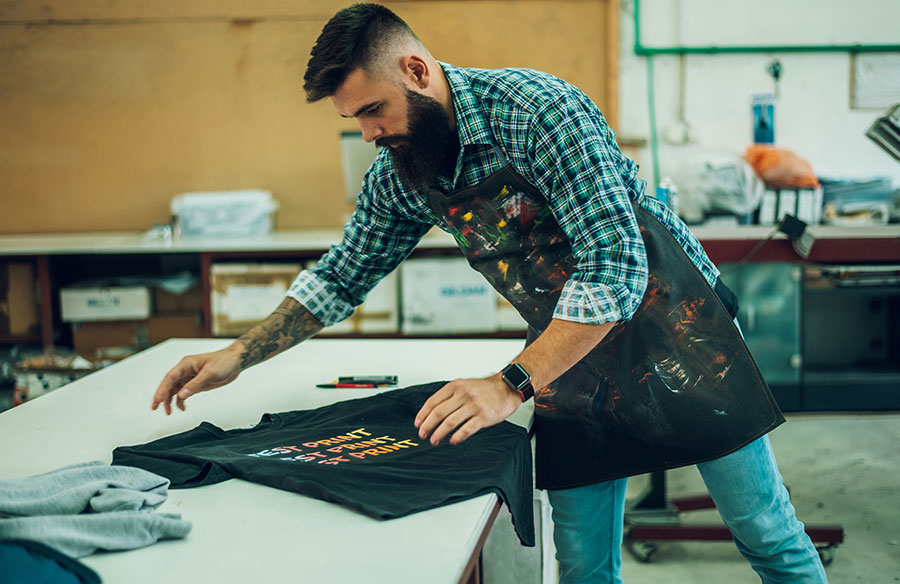
Screen printing is a process of forcing ink through a mesh stencil onto the fabric, creating crisp, vivid images that look good on a variety of garments, particularly cotton t-shirts and hoodies.
Advantages of Screen Printing
Cost-effective for larger runs, this method suits businesses needing volume without compromising clarity. It handles block colours well and allows for eye-catching visuals on casual uniforms.
Considerations and Downsides
Delicate prints may crack or fade over time, particularly with repeated machine washing or tumble drying. Complex multi-colour designs increase cost and production time, requiring precise alignment and setup.
Heat Transfer Printing: Versatility Meets Visual Precision
Using heat and pressure, designs are transferred from a vinyl or digital print sheet onto fabric. This method supports photorealistic imagery, gradients, and fine details, often seen on athletic kits and promotional apparel.
When Heat Transfers Shine
For smaller orders, this method allows quick turnaround and minimal waste. It also works well on synthetic blends where traditional inks may not adhere as effectively.
Limitations to Know
Though flexible, heat-applied designs may peel or degrade if not pressed correctly or if low-quality materials are used. Breathability can also be compromised, especially when covering larger surface areas.
Direct-to-Garment (DTG): Digital Innovation on Fabric
DTG operates similarly to an inkjet printer — designs are printed straight onto clothing with precision-controlled nozzles. It supports photographic quality and fine detailing, useful for creative companies or merchandise branding.
Benefits of DTG Technology
Perfect for complex, small-batch prints, DTG provides clarity and colour depth without layers or stencils. It’s an eco-friendly choice, as well, since it uses water-based inks and does not overstock.
Drawbacks to Be Aware Of
A white underbase is often needed on dark garments, which can slightly dull colours. In addition, DTG may not be as durable as other finishes if not cured and maintained after printing.
Finishing Touches: Beyond the Logo
Customisation is not limited to a logo. Tagless labels, personalised name placements, and reflective accents provide additional layers of branding. Even the colours of the threads in embroidery or the finish of vinyl heat transfers can be customized to support your visual identity.
Matching Method to Material
There is no one approach that will fit all situations. Long-lasting work jackets require embroidery, whereas marketing giveaways could use cost-effective screen prints. In the case of polyester blends or technical clothing, heat transfer is usually the best solution. Always take into account the texture of the garment and the setting in which it’ll be worn.
Precision in Every Stitch and Stroke
Personalised apparel speaks volumes. From sharp ink lines to stitched threadwork, the way a company logo is displayed on workwear influences perception, durability, and comfort. Balancing the strengths of each method against intended use guarantees that your purchase of workwear is not only visually attractive but also of long-term value to the workforce.







