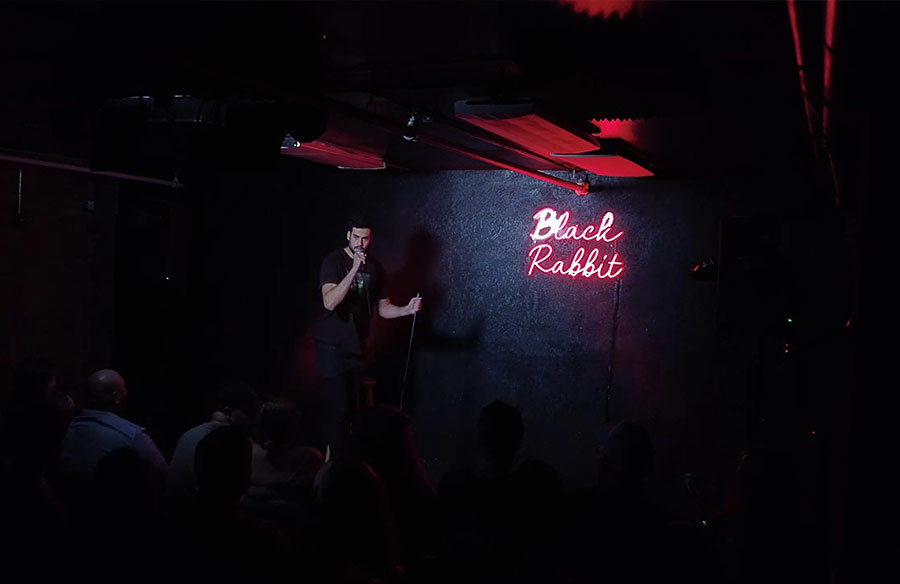
Pedro Franco, a Brazilian stand-up comedian, is quickly making a name for himself as a significant voice in the international comedy landscape, leveraging Austin, Texas—one of the world’s most competitive comedy hubs—as his most prominent stage.
Known for his sharp wit, distinctive stage presence, and impressive bilingual talent, Franco has achieved a notable success for an transformative performer: becoming a regularly booked comedian at a number of Austin’s top comedy clubs.
Austin’s standing as a comedy powerhouse happened to arise significantly following comedian Joe Rogan’s relocation and the opening of his club, The Comedy Mothership. This sudden move attracted a host of top comedic talent, fundamentally molding the scene. including Franco,
a bilingual talent capable of drawing large and enthusiastic crowds in English and Portuguese.
“When you make the decision of taking stand up comedy seriously, you must take the initiative to move to a dominant scene,” Franco explained. “Those used to be New York or Los Angeles, but with Joe Rogan’s move to Austin, Texas and him opening a comedy club, the top comedians in the world had also made the move to Austin, as well. I saw Austin as a huge opportunity to be amongst the best of comedic talent in the world, that can only speed up your comic ability being surrounded by competing talent and striving to perfection to be the very best amongst all of them is very crucial in order to see actual satisfactory results.”
 The Austin comedy scene, according to Franco, is now defining itself through this influx of talent and the emergence of new stars. “It is known for being the birthplace of Joe Rogan’s Mothership,” he noted, “and the scene responsible for many new rising talents in the world like Kam Patterson and Martin Phillips.”
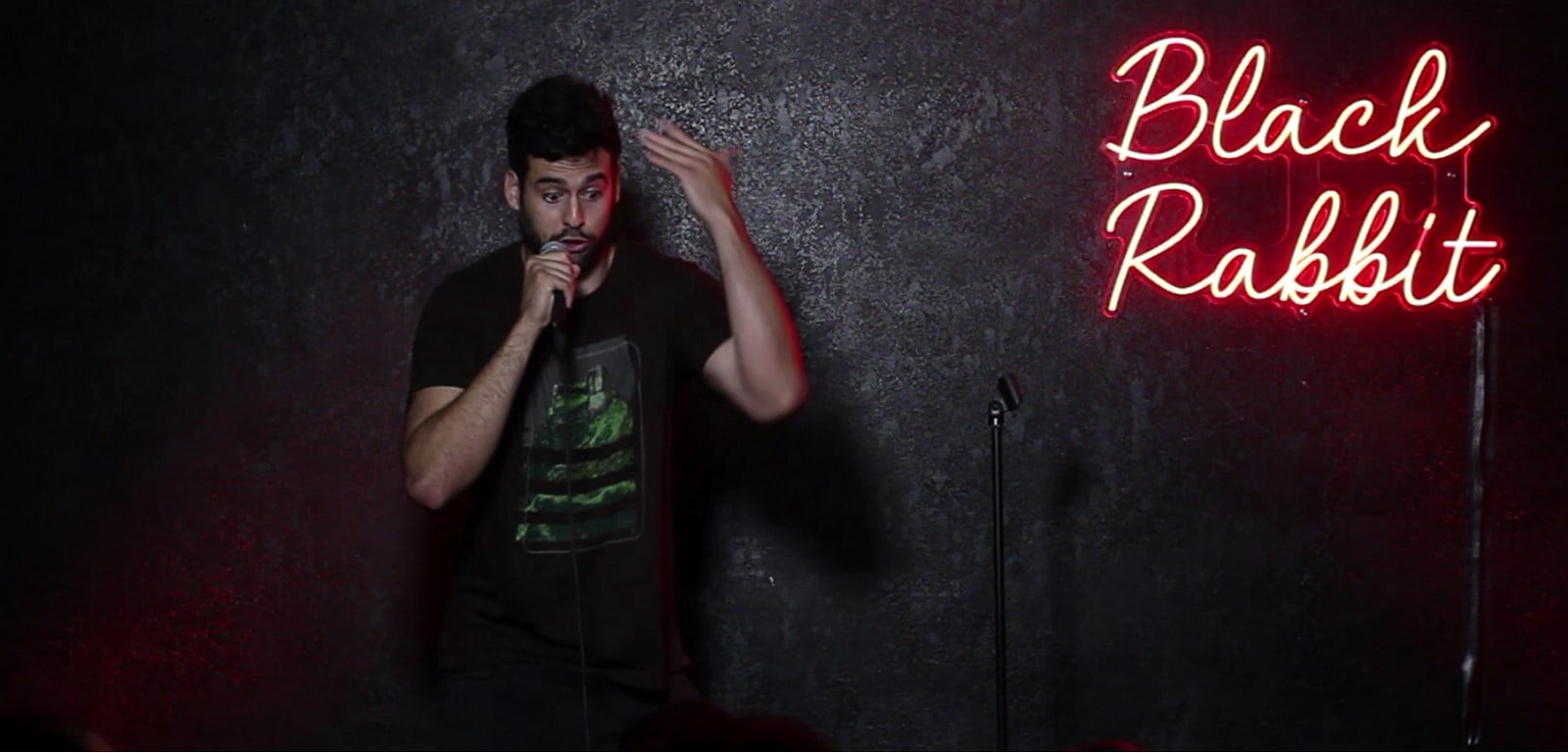
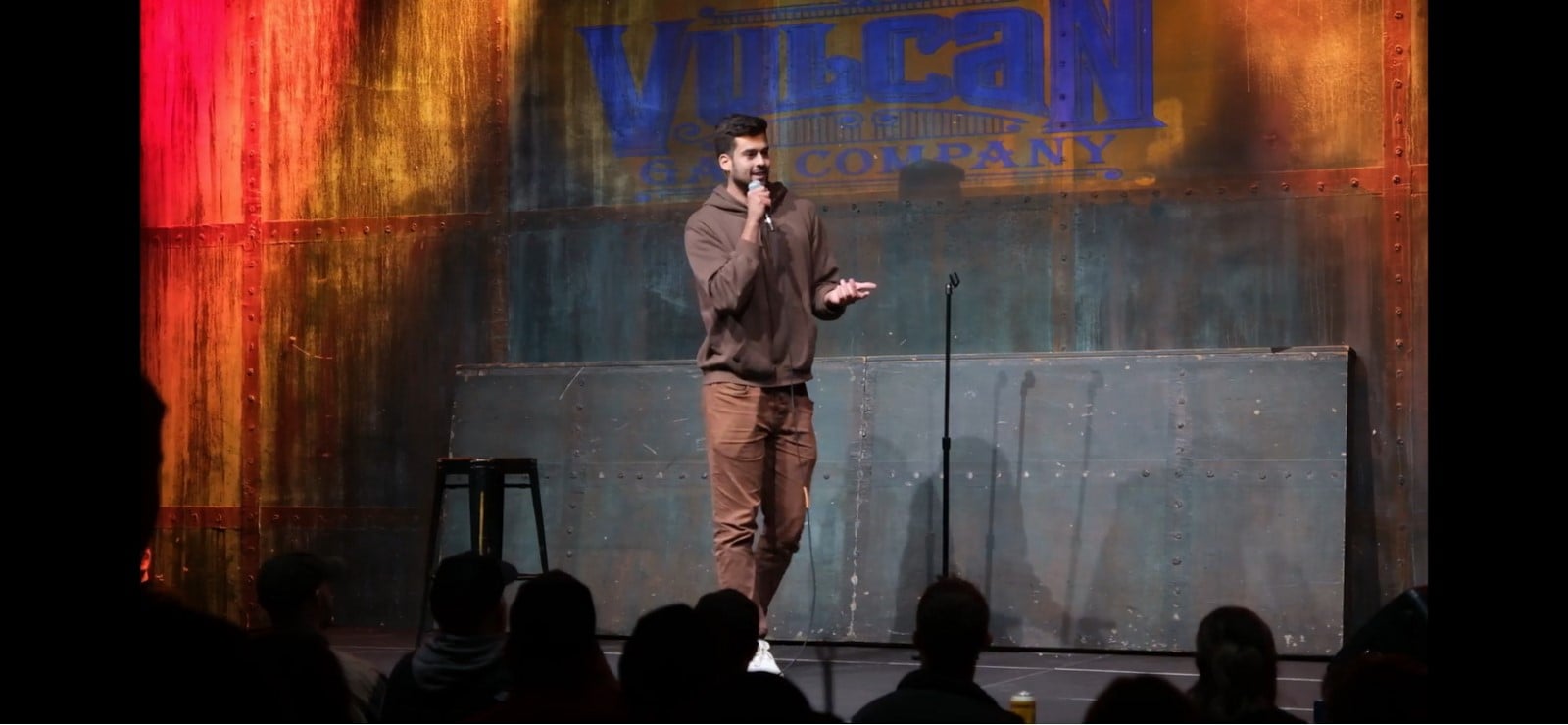
Franco’s integration into this dynamic environment has seen him performing regularly at prominent Austin venues, including the Can’t Even comedy club, Black Rabbit comedy club, Vulcan Gas Company, Velveeta room, and East Austin Comedy Club, among others. These clubs, he says, offer crucial opportunities for further growth.
“They consistently have sold out crowds and also have multiple shows a week giving you plenty of opportunity for stage time,” Franco said. A core distinction he highlights is the trust placed in performers: “All of these clubs, once you get in with them, trust [you] as a performer and let you be free on stage, as far as what you are allowed to talk about.”
Beyond stage time and creative freedom, Franco points to the physical design of these venues as contributing to the comedic experience. Many, including the Mothership, were “designed by comedians for comedy,” fostering an intimate environment. “The tables are close together, the ceilings are low,” he described. “That sensation of intimacy is ideal for comedy. The closer together the audience is, the more contagious laughter becomes.”
 While acknowledging The Mothership’s premier status, Franco expresses a particular fondness for the Black Rabbit comedy club. “I would say Black Rabbit is probably the most fun I ever had performing stand up. Even after performing in theaters.” He likens its cellar setting to iconic clubs like the Comedy Cellar in New York City. With a low ceiling and sound isolation, Black Rabbit creates what comedians call a “Kill Box.”
“You walk down these stairs into the room and it’s what we (comedians) like to call a ‘Kill Box’ because when the laughter gets going in there it’s deafening and you just get on a roll,” Franco explained, capturing the intense, rewarding energy of performing in such a space.
Franco’s talent has garnered enough attention beyond the Austin circuit. His appearance on Kill Tony, the world’s number one live comedy podcast, saw acclaimed roast comic Tony Hinchcliffe praise his writing and even admit to being “jealous” of one of his jokes—a rare compliment for any comedian. His appearance also marked a significant step forward for the
Brazilian comedy industry. As the first Brazilian ever featured on the show, Franco has opened the doors for international and bilingual talent, filling a subsection of the U.S. comedy market
that was previously underappreciated. This exposure led to contact from two of Brazil’s most highly regarded comedians, Thiago Ventura and Maurício Meirelles. Meirelles invited Franco to open two sold-out shows in Brazil, performing for audiences of 1,000 people each, and has since become a vocal supporter of his career.
Fluent in both English and Brazilian Portuguese, Franco has also demonstrated his versatility and rapid growth in his home country. Which was confirmed when he placed first out of 100 comedians in a major Brazilian stand-up competition, showcasing his ability to connect with diverse audiences in multiple languages.
To put it simply, Franco’s influence is not confined to Austin’s city limits. His work has resonated across the United States and in his native Brazil, helping to build bridges between comedy audiences in both countries. His ability to perform in both English and Portuguese not only amplifies his reach but also positions him as a cultural connector, bringing Brazilian humor to American audiences and vice versa. As a result, Franco is increasingly viewed not just as a star in Austin, but as a significant figure in the evolving global landscape of stand-up comedy
Blending smart, sharply written material with a confident and witty original delivery, Pedro Franco is recognized by peers and audiences alike as one of the most promising talents in comedy today. His success in navigating and thriving within Austin’s competitive club scene highlights his rising profile in the global world of stand-up comedy.
Follow @pedrofrancocomedy on Instagram.