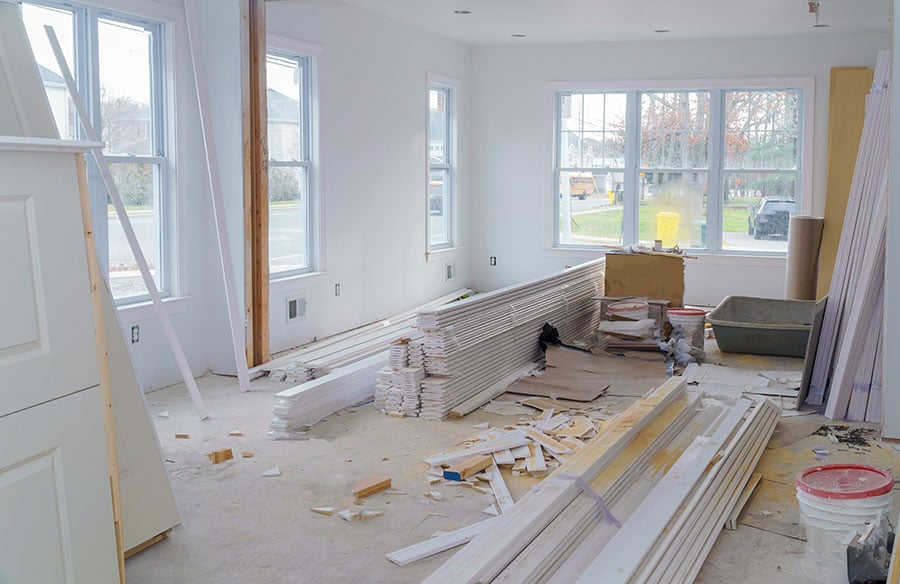
A full home renovation is a great opportunity to remodel living spaces. However, it can also be a difficult process to steer through if you don’t know what to do and what not to do. Today, we will look at five mistakes homeowners make that lead to frustration and expense. Avoiding these mistakes will help you have a hassle-free renovation journey.
Not Taking the Time to Plan the Project Clearly
When you lack a clear vision, your best-laid plans could go south. To make a successful start, fix a budget for the renovation project, outline the scope of work involved, and develop a realistic timeline.
Miscalculation in budgets and timelines, i.e., failing to lay out a roadmap, can lead to unforeseen costs that often make things stressful and disappointing! This process should be planned over time, as you must carefully consider what you want before you begin.
Not Seeking Professional Help
Many people think they can tackle remodeling the entire home without professional help. Some tasks may be easy, but others, of course, require professional expertise.
The difference between average and beautiful properties can be the prowess of professionals, including an architect, interior designer, and contractor. These professionals offer invaluable skills and can prevent costly errors. This can help with the overall process since bringing in the professionals early helps shape the trajectory of the project towards a safe and regulatory-savvy end state.
Underestimating Permits and Codes
Leaving out permits and regulations is another big mistake. That means that each area has different laws about building and renovations. Not having the necessary permits can lead to fines and delays in the project. Check for local building codes to ensure compliance. They can clarify these and avoid putting themselves in danger of legal trouble.
Not Understanding the Costs Involved
Budgeting is essential for any home improvement project. One common pitfall that can lead to a project going awry is underestimating costs. Do not forget to add a small buffer just in case of unforeseen expenditures. Prices of materials, labour, and permits can vary, so it is smart to have a financial buffer on hand. Cost estimates from professionals can give you a more realistic view of all the expenses.
Giving In to the Latest Trends
While it may be cute to follow the latest trends, it is crucial to select designs that will age gracefully in the long term. The problem with trends is that they tend to fall out of favour, leaving the average homeowner with one room that is on its way to being outdated.
Alternatively, designing something timeless means that the renovation will not feel old after a few years. These classic styles not only make your home look beautiful but also boost its resale value.
Compromising on Quality
In a bid to cut down on expenses, many stick with the cheapest materials and labourers that they can find. Even though this may save some costs in the beginning, it will create problems in the future. Cheap materials that must be repaired or replaced require significant spending over time, which may be more expensive in the long run.
It is evident that investing in material and technological processes, in highly qualified labour, is a guarantee for durability and satisfaction. Not sulking over the price over quality is better than banging your head in the future for the renovation getting damaged and deteriorating with time.
Forgetting About Energy Efficiency
Modern renovations can easily be done to improve energy efficiency, but this opportunity goes to waste very often. Installing energy-efficient appliances, windows, and insulation can help save on utility bills tremendously.
Not only will these improvements help the environment, but they will also increase comfort in the home. Maximizing these benefits will require consulting with experts on energy-efficient options.
Poor Communication With Contractors
Communication with contractors is a key to renovation success. Erroneous choices are made, leading to disenchantment due to misunderstanding. Holding frequent meetings and updates is part of making sure that everyone is on the same page.
Communicating clearly on expectations, timelines, and budgets can avoid conflicts and ensure a good working relationship. One of the most important things needed from the start is an open line of communication.
Not Thinking Ahead
An update should be based on current and future needs. While homeowners usually consider how they want their space to look, they fail to think about how their living needs may change in the years to come.
Design decisions can be informed by family expansion, senescence, or lifestyle changes. A flexible design helps adapt seamlessly over time, ensuring the renovation remains practical and relevant.
Conclusion
To avoid common mistakes during a complete home renovation, you need to plan ahead, seek professional help, and make intentional choices. Any misses and slip-ups can wreak havoc on your dream space. Besides, following expert advice has helped homeowners get through their renovations rather smoothly. It’s about creating a place that serves your needs and looks pretty—something you will be happy with for a long time!