Clean water is essential for public health, industrial operations, and environmental protection, yet it rarely starts out safe for use. Whether drawn from rivers, wells, or municipal sources, raw water often contains a variety of contaminants—from suspended solids and harmful microorganisms to excess minerals and chemical residues. Without proper treatment, these impurities can compromise safety, damage infrastructure, or render water unsuitable for specific uses.
Modern water treatment systems are designed to address these challenges through a range of specialized methods. Each solution targets a particular contaminant or condition, making it critical to understand which methods are best suited for different applications. Additionally, factors such as water source, intended use, and regulatory standards all play a role in determining the most effective treatment approach.
This article explores several key types of water treatment solutions, outlining how they work and where they are most effectively applied to assist in informed decision-making.
Sedimentation
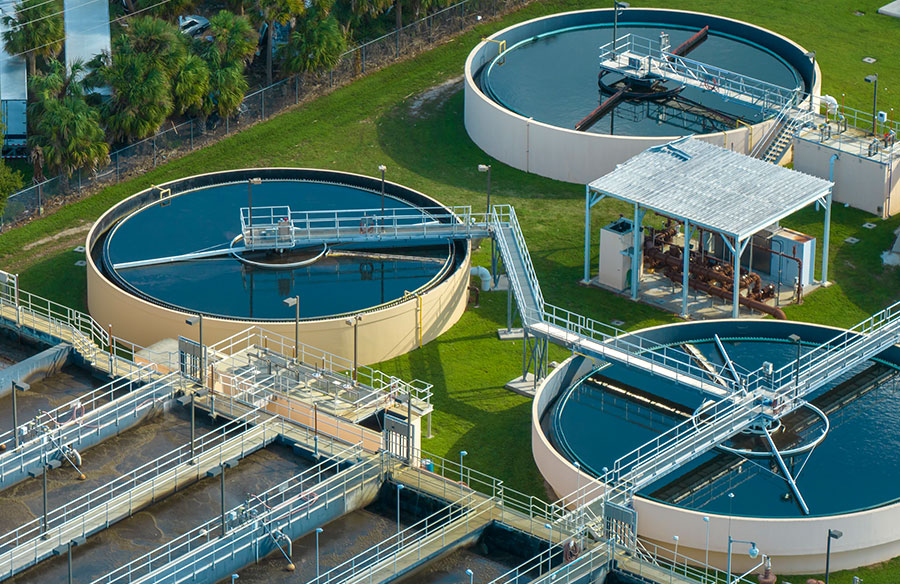
In many large-scale water treatment systems, sedimentation functions as a critical first step for removing solids and debris from raw water. This process relies on gravity to separate suspended particles, allowing them to settle at the bottom of specially designed tanks. Because equipment design directly affects performance, it’s important to select a high-quality sediment tank for sale from a reputable supplier when setting up or upgrading a system.
Sedimentation is commonly used in municipal treatment plants, as well as in industrial facilities managing wastewater with sand, grit, or other dense particulates. By reducing the volume of suspended matter early in the process, sedimentation lessens the burden on filtration and disinfection systems downstream. Consistent monitoring and regular maintenance of sediment tanks are essential to prevent buildup, sustain treatment efficiency, and avoid costly disruptions in operations.
Filtration Systems
After larger particles are removed through sedimentation, filtration systems take over to capture finer impurities that remain suspended in water. These systems pass water through a physical barrier—which is typically composed of sand, gravel, or synthetic membranes—to remove smaller solids, organic matter, and some pathogens. The specific type of filter used depends on the intended application, flow rate, and quality of the incoming water.
In residential settings, cartridge or activated carbon filters are common for improving taste and removing chlorine. Meanwhile, multimedia and pressure sand filters are often used in commercial and industrial setups, where water clarity and particulate removal are crucial. Filtration is also widely applied in food and beverage production, pharmaceutical manufacturing, and aquaculture operations.
Through additional layers of purification, filtration systems not only improve water quality but also protect downstream components such as reverse osmosis membranes or UV disinfection units from fouling or damage.
Reverse Osmosis
When water purity demands go beyond the capabilities of standard filtration, reverse osmosis (RO) offers a more advanced solution. This method uses a semipermeable membrane, which separates water molecules from dissolved salts, heavy metals, and other microscopic contaminants. Under high pressure, water is forced through the membrane, leaving behind impurities that are then flushed away as waste.
Reverse osmosis is particularly effective in settings where high-quality water is essential. It is commonly used in households for drinking water purification, in hospitals for equipment sterilization, and in industries like electronics or pharmaceuticals that require ultra-clean water. RO systems are also key to desalination, helping coastal communities turn seawater into a viable source of freshwater. While energy use and wastewater output are considerations, ongoing improvements in membrane technology and system design continue to make reverse osmosis an increasingly practical option across residential, commercial, and industrial sectors.
Chemical Treatment
In many large-scale and emergency water treatment scenarios, chemical processes offer a fast and proven way to eliminate pathogens and stabilize water quality. One of the most common methods involves chlorination, which effectively kills bacteria and viruses while leaving a residual disinfectant to protect water during storage or distribution. Other chemicals, such as ozone or chlorine dioxide, may also be used depending on the specific needs and regulations of the application.
Chemical treatment is a mainstay in municipal water systems, especially where consistent pathogen control is essential. It’s also commonly used in recreational water facilities, construction sites, and relief operations where quick disinfection is necessary. While effective, this method requires careful monitoring to avoid overdosing and to manage potential byproducts like trihalomethanes. When conducted properly, chemical treatment remains one of the most accessible and scalable options for ensuring microbiological safety in a wide range of settings.
Ultraviolet Disinfection
Unlike chemical treatments, ultraviolet (UV) disinfection neutralizes harmful microorganisms without leaving any residue in the water. This method works by exposing water to UV-C light, which penetrates the cells of bacteria, viruses, and protozoa, disrupting their DNA and rendering them inactive. Because it relies on light rather than chemicals, UV disinfection is both effective and environmentally friendly when properly applied.
UV disinfection is widely used in residential point-of-use systems, laboratories, food processing facilities, and medical environments where pathogen control is critical. It’s also gaining popularity in rural and off-grid communities as a low-maintenance solution for ensuring safe drinking water. However, UV systems require pre-treated, clear water to be effective, as turbidity or sediment can block the light and reduce performance. As such, UV disinfection is often used in tandem with filtration or sedimentation systems to ensure reliable results.
Selecting the right water treatment solution starts with understanding the specific contaminants present and the demands of the application. No single method works universally, and in many cases, combining multiple systems yields the best output. Whether for residential use, industrial processing, or municipal supply, investing in the right technology ensures access to clean, safe water and supports long-term sustainability and public health.