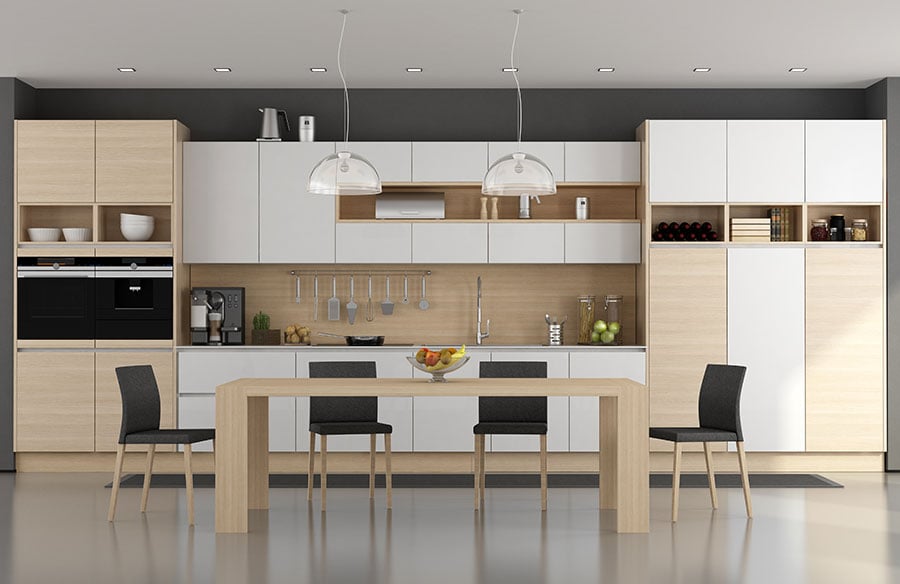
When setting up a commercial kitchen, one of the vital factors to consider is how to use space efficiently. Kitchens in restaurants and other food establishments need to be well-organized to ensure safety, and productivity. The layout and design of the kitchen can make a huge difference in how effectively it functions. This article provides seven tips to help maximize space in kitchen commercial fitouts.
1. Plan the Layout Carefully
The kitchen should have a logical flow, where equipment and workstations are strategically placed. It is to design zones from cooking to storage to reduce the chance of clutter and confusion. When designing the layout, think about how much space each section needs and how it will interact with the others. Keeping busy work areas close to the food preparation stations ensures everything is within easy reach.
2. Use Vertical Space
Often, kitchen walls are underused and offer a great opportunity for extra storage. To make the most of available space, install shelves and hanging racks on the walls. These additions can store items like cooking utensils or dry ingredients, freeing up floor space for other equipment. Vertical storage is helpful when you have limited floor space, as it utilizes the height of the kitchen to its fullest potential.
3. Invest in Multifunctional Equipment
Instead of filling the space with numerous specialized machines, choose equipment that can handle different tasks. For example, a convection oven that can be used for baking or roasting is more efficient than having separate units for each function. This keeps the kitchen equipped with the necessary tools to prepare a variety of meals, making it an essential strategy for commercial fitouts in Melbourne.
4. Consider Custom-Fit Solutions
Standard sizes might not always fit well in your kitchen’s layout, especially in smaller spaces. Custom solutions, such as built-in shelving, custom counter heights, and tailored equipment stations, can help make the best use of every inch. Always remember that a custom design allows for better organization and ensures the kitchen fits the specific needs of the business, resulting in a more productive workspace.
5. Utilize Compact and Stackable Storage
In a busy kitchen, storage is crucial, but it’s easy for items to pile up and take up more space than necessary. Storage bins that can be stacked neatly in cabinets or on shelves help save space. Additionally, you should use smaller storage units for ingredients or tools, which can be accessed and stored away when not in use. Organizing storage in a compact way ensures that every item has its designated place.
6. Incorporate Movable Equipment
Movable equipment, like rolling carts or shelving units, allows for easy rearrangement depending on the needs of the kitchen. This way, it makes it possible for you to quickly adjust the layout when new tasks arise or during peak hours when space is at a premium. Furthermore, the ability to move equipment around ensures that the kitchen remains adaptable without being limited by a rigid layout.
7. Keep the Flow Uncluttered
One of the best ways to maximize space is by maintaining an uncluttered flow in the kitchen. A cluttered kitchen is not only difficult to navigate, but it can also slow down operations. To avoid this, ensure that everything in the kitchen has a place and that only necessary items are kept out. Regularly assess the kitchen’s workflow to identify any areas that might be overcrowded or difficult to maneuver.
Enhance Every Inch for a Kitchen That Works!
Maximizing space in a commercial kitchen requires careful planning and smart storage solutions. Maintaining an uncluttered flow is key to ensuring the kitchen runs smoothly. Implementing these seven simple yet essential tips will help improve the functionality of any commercial kitchen, ensuring it can handle the demands of a busy food service environment while utilizing space to its fullest potential.