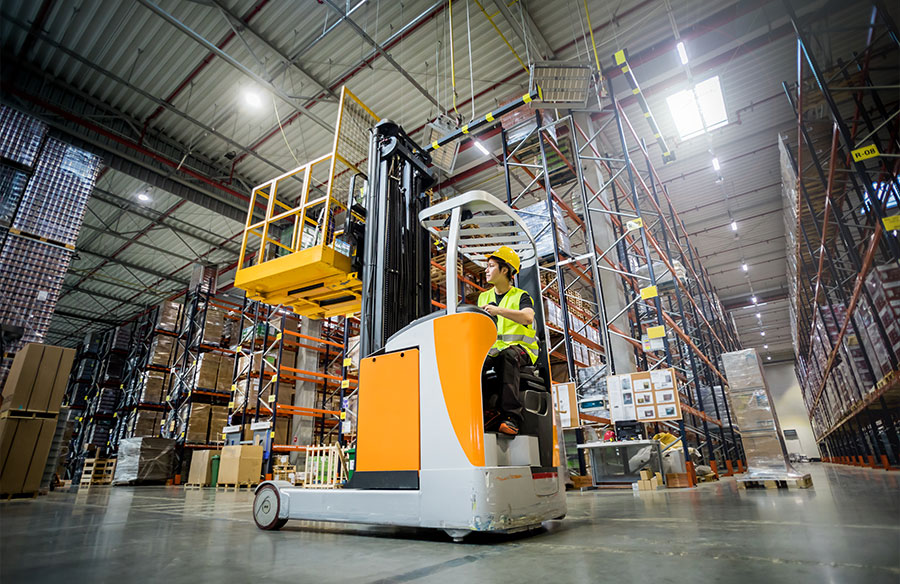
Forklift attachments transform a basic forklift into a versatile powerhouse capable of handling tasks from precise lifting to snow ploughing. These attachments can be switched out in just 90 seconds, allowing workers to transition smoothly between warehouse activities.
Choosing the right forklift attachments reduces handling times and operational costs by eliminating the need for multiple machines. Accessories like forklift slippers enhance load stability, while other attachments increase workplace safety with specialised tools. Safety cages and work platforms provide workers with secure access to elevated areas and optimise vertical storage space.
Allow us to demonstrate how these warehouse tools can transform your operations, enhance workflow, and establish a safer environment for your team.
Essential Types of Forklift Attachments for Modern Warehouses
Modern warehouses rely on specialised equipment to enhance processes. Standard forks are the most common attachment for forklifts, but many additional specialised options can improve operational capacity and safety.
Side shifters are valuable because they allow operators to move the forks sideways without relocating the entire forklift. This precise movement assists operators in picking up loads that do not align perfectly, thus saving wear and tear on the equipment. These shifters are available in both single and double units, capable of handling one or two pallets at once.
Fork positioners work among other side shifters to boost efficiency. Operators can adjust fork spacing from their seat with these hydraulic attachments. They handle different pallet sizes without manual adjustments. This feature becomes invaluable when dealing with loads of various sizes throughout the day.
Several purpose-built attachments excel at specialised material handling:
- Paper roll clamps grip rolls without damaging the product
- Flat surface clamps transport appliances like refrigerators and washing machines
- Rotators turn containers 180-360 degrees to dump contents
- Multiple load handlers boost productivity with second or third pairs of forks
- Push/pull attachments use slip sheets instead of pallets
Carpet poles extend from the forklift to move large carpet rolls. Drum handling equipment grips and moves drums of all sizes securely. These attachments handle containers up to 55 gallons and lift more than 1,000 pounds.
Fork extensions offer a simple solution for oversized loads and include restraining straps that prevent slippage. Mast extensions let operators lift materials higher without needing a larger forklift.
The right attachment choice depends on your specific needs. Proper attachments lead to improved productivity, less load damage, reduced equipment stress, and better operator convenience. Understanding these options plays a crucial role in today’s warehouse management.
How Forklift Attachments Boost Operational Efficiency
Warehouse operations thrive on efficiency, and with good reason too. Forklift attachments are the life-blood of success that plays a vital role to boost operational productivity in industries of all sizes.
These attachments boost efficiency by helping workers complete tasks faster and easier. Better efficiency leads to measurable business results. Companies that use multiple load handlers can move several loads at once. This cuts down time spent on individual tasks and creates efficient workflows.
A major benefit comes from the dramatic reduction in downtime. Workers are quick to swap between different attachments and move naturally from one specialised task to another. A single forklift can perform multiple functions – from lifting and rotating to moving loads – without equipment changes.
Money savings make a compelling case too. Case studies show that shops using quality forklift attachments save an average of AUD 285,925 each year in labour costs. Rather than buying specialised machinery for each task, businesses can utilise attachments to accomplish various operations with one machine.
These attachments offer more benefits:
- Reduced manual labour: Tipper units can replace employees who manually lift heavy items, which prevents potential injuries
- Improved fuel consumption: Side shifters reduce unnecessary movement and lower fuel usage
- Decreased product damage: Specialised grips ensure secure handling of delicate or irregularly shaped items
- Resource efficiency: Many attachments minimise product wastage and support environmental conservation
Forklift attachments turn standard lift trucks into adaptable machines that handle various tasks quickly – from moving bins and handling drums to lifting awkward loads. This adaptability delivers what attachment designers want: moving goods in a coordinated, economical way while maintaining safety standards.
The right attachment doesn’t just boost a forklift’s capabilities – it optimises entire warehouse operations and creates waves of efficiency throughout the supply chain.
Safety and Productivity Benefits of Different Forklift Attachments
Safety is the backbone of good warehouse management. Forklift attachments play a vital role to create secure work environments. These specialised tools make operations safer and more productive through specific applications.
Forklift attachments cut down risks linked to manual handling and poor load management by a lot. Crane jibs help operators lift and move loads with better control and stability. This makes accidents less likely. Fork positioners help line up loads perfectly, which leads to less product damage and fewer workplace incidents.
The productivity gains are remarkable too. Forklift attachments clearly cut down load moving times, use less fuel, and reduce operator hours. Companies get more done in less time by streamlining their material handling. They can move multiple pallets at once with fork positioners or load faster with sideshift attachments.
These attachments change how a forklift works. Once fitted, they can alter operating features, which means capacity limits and control restrictions need adjustment. Operators should drive carefully, as if carrying a partial load even before pickup. They need to maintain slower speeds and make gentle turns.
Real benefits include:
- Less manpower needed
- Lower risk of stock damage
- Better fuel efficiency
- Fewer operator hours
Companies that use the right attachments see clear cost savings. Push/pull units let operators handle loads on slip sheets instead of pallets, which cuts down the risk of product damage.
Good training is key to attachment safety. Operators must know how attachments affect their forklift’s stability and weight distribution. Companies need to train their operators for each attachment and watch over them properly.
Forklift attachments are must-have tools that improve workplace safety and boost productivity at the same time. This makes them smart investments for modern warehouses looking to keep workers safe while getting more done.
Final Thoughts
Forklift attachments are vital tools that transform warehouse operations by improving versatility and efficiency. These specialised additions cut operational costs and create safer working environments. Side shifters, fork positioners, and other purpose-built attachments boost productivity by a lot, but their successful implementation needs proper training and understanding.
Businesses see measurable returns quickly when they invest in quality forklift attachments through lower labour costs, less product damage, and optimised operations. A single forklift with the right attachments can handle many tasks effectively instead of buying multiple specialised machines.
Smart warehouse managers know forklift attachments bring both quick and lasting benefits. Picking the right attachments based on specific operational needs is vital for warehouses that want to stay competitive and maintain high safety standards.