Blending Art and Architecture
If you’ve ever admired the sweeping lines of a Gothic cathedral or the clean geometric beauty of modernist architecture, you know that buildings can feel like works of art. But for those studying architecture, working in design, or simply fascinated by the beauty of structures, there’s an undeniable truth that ties art and architecture together.
Art, in its many forms, offers powerful tools to understand and create architecture. From basic sketching to intricate conceptual representations, blending art with architectural practice can enhance creativity, enhance technical precision, and refine how spaces are conceptualized. This blog explores how you can use art—from architectural sketches to custom paint by number projects—to deepen your understanding of buildings.
Whether you’re an architecture student seeking to refine your technique, a professional aiming to elevate your designs, or an art enthusiast curious about the practical applications of creativity, you’re in the right place.
The Basics of Architectural Sketching
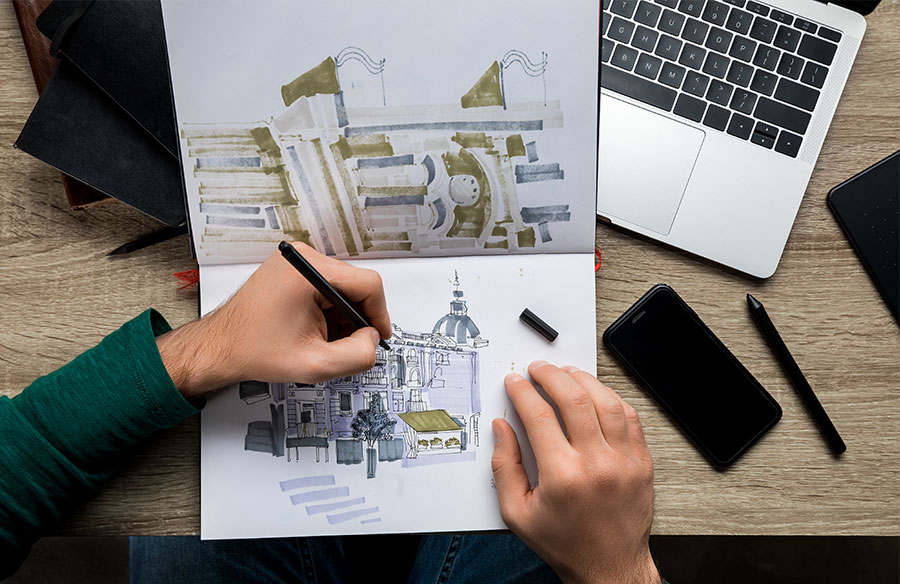
Before computer-aided design and advanced rendering software, architectural sketching was every designer’s foundational tool. It allowed architects to quickly express ideas, refine concepts, and communicate their visions effectively.
Why Sketching Matters
Even in today’s digital age, architectural sketching remains an essential skill for the following reasons:
- Visualizing Proportions: A handmade sketch teaches you how to judge space, proportion, and scale effectively.
- Rapid Concept Development: Quick sketches can capture ideas in seconds, aiding both creativity and communication.
- Improving Spatial Awareness: Sketching trains your eye to observe perspectives, vanishing points, and light sources in the real world.
How to Start Architectural Sketching
If you’re a beginner, here’s a simple process to get started:
1. Choose Your Tools
- Use a soft pencil (such as 2B or 4B) and quality, smooth paper. These provide control for both light outlines and confident shading.
2. Understand Perspective
- Practice one-point and two-point perspective techniques frequently used in building designs.
3. Focus on Details
- Begin with simple shapes and gradually incorporate textures, shadows, and intricate details like window frames or brick patterns.
4. Sketch Existing Buildings
- Visit iconic landmarks or study images online to practice reproducing real-world structures. This not only refines your drawing but also builds an appreciation for design intricacies.
Experimenting with freehand sketches is a great primer before jumping to conceptual art styles.
From Paint by Numbers to Conceptual Art: Art as a Tool
Using paint by numbers as a medium to study architecture isn’t just about training your technical skills; it’s also about cultivating creativity and understanding design concepts.
Art as an Educational Tool
- Paint by Numbers for Beginners
This approach makes detailed architectural depictions more accessible. By working through predetermined sections of a paint-by-number design, even less confident artists can understand shading, contrast, and how details come together to create a complete image.
- Conceptual Art for Architects
Conceptual art pushes boundaries. Using abstract methods to convey architectural ideas can lead to innovative designs. For instance, Zaha Hadid’s iconic structures stemmed from her experience in abstract art.
Drawing Inspiration
Many famous architects began their journeys as artists. Frank Lloyd Wright’s designs for organic architecture were inspired by his love for nature and Japanese prints. Meanwhile, Le Corbusier’s paintings heavily influenced his exploration of modernist architecture.
Tangible creative practices like painting, sketching, or even sculpting can unlock new ways of thinking about structure, balance, and material.
Custom Paint by Numbers: Turn Your Sketch into Paint
A particularly fun and innovative way to bridge the gap between art and architecture is by creating custom paint-by-number sets from your own architectural sketches.
How It Works
Custom paint-by-number services take your architectural designs or sketches and render them into paintable templates. Here’s the process:
- Submit a sketch of your building or design.
- The service converts it into a numbered canvas, complete with a palette of paints matching its details.
- Paint over your sketch, both appreciating the artistic process and reinforcing a deeper understanding of your design’s elements.
Benefits for Architecture Enthusiasts
- Teaches Layering: Painting over a detailed architectural design helps you understand how materials and structures layer together.
- Enhances Detail-Oriented Thinking: The process requires you to focus on small, numbered areas, improving your ability to compartmentalize complex designs.
- Perfect for Relaxation: Working on a custom project can ease the stress often associated with architectural studies or intense creative work.
Consider using these projects as a team-building activity or pairing them with design courses to bring creative touch points back into technical learning.
Real-World Examples and Case Studies
The Intersection of Art and Architecture
The power of art to transform architectural design can be seen worldwide. Some notable examples include:
- Gaudí’s Sagrada Familia (Barcelona, Spain): Gaudí drew heavily on organic forms and the interplay of light, elements that were sketched and reworked as art experiments before being translated into physical structures.
- Frank Gehry’s Sketches (Various Projects): Gehry’s hand-drawn sketches for iconic buildings like the Guggenheim Museum provided the blueprint for his adventurous forms.
- Norman Foster’s Watercolors (Various Projects): Foster uses watercolor painting to present ideas for city projects, incorporating emotion and atmosphere into his architectural concepts.
Modern Applications in Education
Architecture schools, such as SCI-Arc (Southern California Institute of Architecture), use art as a core pedagogical approach. Students are encouraged to experiment with media like charcoal and ink before moving into CAD, ensuring they grasp the abstract design process.
These examples point to an essential truth for design professionals and students alike: the dialogue between art and architecture leads to innovation.
Art and Architecture Go Hand in Hand
Art and architecture are more than just complementary; they’re inseparable. Incorporating creative art tools into your architectural process can streamline workflows, enhance your understanding of design, and even make learning enjoyable.
Whether you’re starting with simple paint-by-numbers or exploring conceptual art techniques, remember that every stroke, line, and shade adds depth to your creative vision.
Want to explore more ways to enhance your designs through art? Start your artistic-architectural adventure today with custom paint-by-number projects or hand-drawn sketch training programs designed by experts. Your masterpiece awaits!