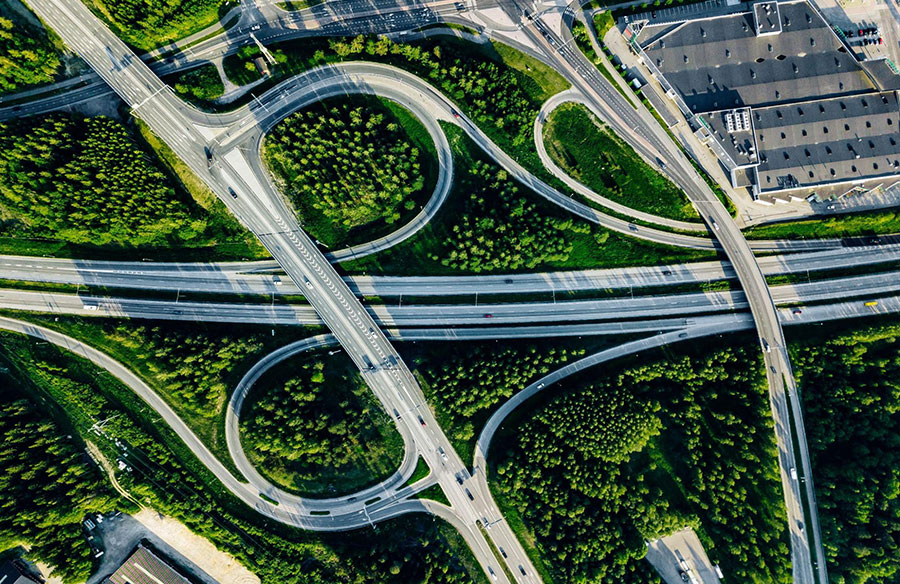
More and more people are congregating in cities for easier access to services and a more comfortable life in general, but this centralization brings plenty of challenges, the biggest of them being the sustainability of large cities. Finding ways to diminish the carbon footprint of urban areas and optimize the design of the cityscapes has become a priority, and one in which architectural innovation will be essential.
The ease of urban mobility is a big part of this equation, and understanding what needs to be done to develop cities that are sustainable and livable is one of the biggest goals of urban architecture. A well-planned fusion of urban mobility and architectural innovation can transform cities into dynamic, efficient, and eco-friendly spaces, and here are some solutions that could ensure that this happens.
A Greater Emphasis on Sustainable Transport
The urban planning trends of the twentieth century were organized around the ease of movement for motor vehicles, and this car-centric mentality practically pushed pedestrians and cyclists out of the picture. This contributed to whole sections of cities being virtually out of bounds for their citizens on foot while spiking pollution levels.
Thankfully, the growing awareness of how vital it is to make our cities more sustainable is changing the rules of the game. Nowadays, urban areas are becoming more inclusive and people-oriented, which can be seen through more pedestrian-only zones in the city centers and ever-growing cycling networks. Even public transport is being constantly improved upon to encourage environmentally friendly mobility solutions.
A great example of these efforts is Barcelona’s “Superblocks.” All kinds of traffic are restricted within designated city blocks, leaving room for this space to be transformed into inclusive communal spaces for pedestrians and cyclists. With this approach, the urban architects aren’t only diminishing traffic congestion and pollution but also helping to create a sense of community among locals.
Reimagining Existing Infrastructure to Fit Needs for Sustainability

New ideas and needs don’t necessarily mean that everything old should be left behind or demolished, on the contrary. As more cities look for ways to incorporate greener transport into their everyday lives, the existing infrastructure can and should be reimagined to serve this new purpose.
Even now we’re seeing the growing popularity of electric vehicles, and that seems to be the trend that’s here to stay. With them come opportunities to transform traditional and often dated gas stations into new spaces that boast EV charging stations with ample green spaces, which are better for the environment and the community. Urban architects can apply the same approach to underused parking structures that can be revived as multi-functional spaces with bike-sharing stations and even structures for urban farming if the conditions allow it.
Another way to transform and reuse existing infrastructure is to use recycled and sustainable materials to reimagine a greener urban design. This level of environmental consciousness echoes and people who live in cities can use it when building their homes. A great way to embody this green mentality is to use eco-friendly and durable, yet beautiful, materials like Outercle’s collection of pool tiles to make your home look gorgeous while still making sustainable choices for your city and future generations.
Revolutionizing Urban Mobility with the Latest Technology
When used wisely, the latest developments in technology can do a world of good in getting urban mobility to the next level, making it more efficient and environment-friendly. We’ll continue to see the rise of smart cities, in which AI is the lifeblood of public transport networks, constantly optimizing traffic light timing in real time to minimize congestion and fuel consumption.
These AI-powered traffic management systems are here to stay and will presumably only get better, as they get more time to compile data and learn about local traffic patterns. A valuable addition to these systems is Mobility-as-a-Service (MaaS) platforms that bring together all modes of transportation under one digital ecosystem.
The main benefit of MaaS is that everyone using public transport can seamlessly pay and plan their journey, whether on buses, trains, bikes, or even e-scooters. This system is already being used in Singapore and Helsinki, and they’re living proof of how the latest technology can revolutionize urban mobility.
The Growing Role of Sustainable Materials in Urban Design
It’s never been more important to carefully choose materials that will be incorporated into new urban designs. Using recycled and natural materials when building roads and permeable pavements is a step in the right direction. One can go even further by using energy-efficient lighting, green roofs, and integrating rainwater harvesting systems into transit infrastructure.
All these changes make a big difference in improving the air quality in big cities, which can positively affect the quality of life and resilience to climate change. This is where biophilic design fits in as well – combining man-made structures with natural elements into one harmonious whole. This design can include vertical gardens and green corridors along roads and motorways that look beautiful and can directly contribute to urban cooling and local biodiversity.
Conclusion
Designing cities for a sustainable future is no small feat, and it requires both innovation and unlearning of the “standardized” way we imagine and create urban areas. Chances are that urban mobility will continue to dictate modern architecture, and the way public transport and pedestrian traffic flow will continue to shift with more focus on eco-friendly options. Hopefully, this will usher in a new era in which we lose none of the comfort and ease of movement in cities but we build more environmentally conscious urban ecosystems.