This article aims at exploring how parametric design has changed architecture and design, and how it enabled designers to optimize form, function and performance with the help of computational methodologies. This future oriented approach allows designers to create, modify and optimize the shapes of the designs, optimize the usage of materials and improve the working methods. This paper discusses the present and future of parametric design and the new tools that are making a difference in the field.

The Current State of Parametric Design and Its Tools
Some of the most popular and commonly used tools that are current in parametric and computational design are explained in this section. These include:
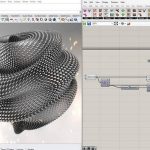
Rhinoceros 3D + Grasshopper

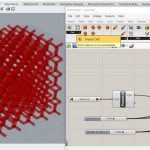
One of the most common and popular types of parametric design tools is Grasshopper, a visual scripting plugin for Rhino.
It also offers algorithmic modelling, real time simulation and a smooth interface with other software.
The recent developments are the integration of AI and cloud computing capabilities.
Autodesk Revit + Dynamo

Revit is a Building Information Modeling (BIM) tool that has been made to better support Dynamo through node based scripting for parametric modelling and automation.
It is one of the most popular applications of Dynamo to create smart forms, environmental simulations and generative design solutions. New features include AI assisted design tools and better data integration with external applications.
Blender + Sverchok

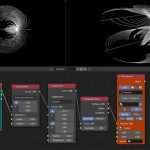
Sverchok add-on has made it possible to include parametric workflows in the open source modeling tool, Blender.
As a conceptual design tool and for iterative processes it is excellent, and it provides a more detailed control of the mesh generation and form manipulation. Houdini
Classically employed in visual effects, Houdini has emerged as a procedural modeling application with an architecture that lends itself well to geometry generation, parametric façade systems, and dynamic simulations.
Solidworks + Grasshopper Integration

The engineering oriented Solidworks can also be paired with parametric design software Grasshopper for complex, yet parametric designs that can be manufactured easily.
Future technologies and future trends of parametric design. Some of the main trends that will influence the future of parametric design are discussed here:
Application of AI and Machine Learning in Parametric Design.

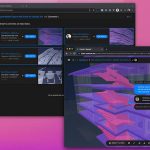
Design assistants powered by artificial intelligence can provide recommended solutions for a specific problem statement and thus reduce the number of iterations done manually. There are some tools that are available in the market, which are helping in implementing the concept of AI in parametric design; these are Autodesk Generative Design and Finch3D.
Cloud Based Parametric Design Platforms Speckle and Hypar are web based platforms that enable real time collaboration to allow teams to work on the parametric model at the same time from different locations. These platforms provide an integration with different CAD and BIM tools, which enhance the efficiency of the workflows. VR and AR in parametric modelling. Virtual and Augmented reality tools make it possible for the designer to work with parametric models in virtual environments.

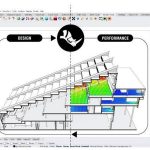
Platforms such as Arkio and Fologram provide real time adjustment of the parametric model in a virtual or augmented reality environment. Computational Sustainability and Performance Driven Design. Sustainable design aspects like energy simulation, daylighting, and material performance are being explored with the help of parametric tools to arrive at energy efficient designs.
The software’s such as Ladybug Tools and ClimateStudio are integrated with the parametric processes to improve the decision making related to sustainability in design. Conclusion. Thus, parametric design can be seen as a continuously developing field due to the technological developments and interdisciplinarity.

The use of AI, cloud computing and immersive technologies is increasing, therefore the future of the parametric design is better, more effective, creative and sustainable. Those tools will uncover new and better ways of designing the built environment and advancing design innovation. Professionals in the field can thus embrace the future of parametric design and make it a vital part of future architectural practice by staying current on software developments.