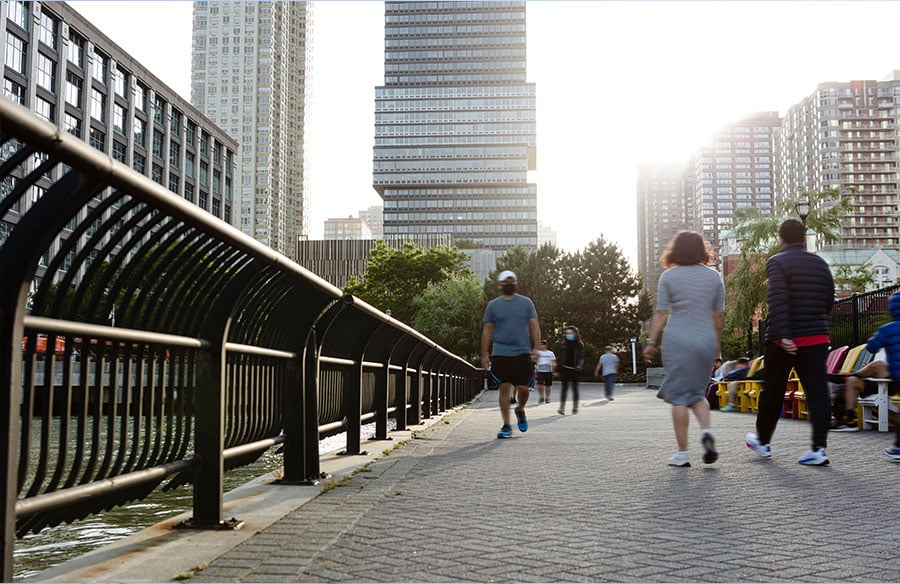
Pedestrian safety is crucial for vibrant and healthy communities. Local programs in St. Louis are making strides in enhancing walkability and reducing fall risks. A St. Louis slip and fall lawyer looks into these initiatives and their significance.
The Importance Of Walkability In Urban Areas
Walkability refers to how friendly an area is to walking, encompassing safety, convenience, and accessibility. It is critical in urban planning and impacts residents’ quality of life, public health, and environmental sustainability. In St. Louis, improving walkability is a priority, as it encourages physical activity, reduces traffic congestion, and fosters community interaction.
Hazards such as uneven sidewalks, poor lighting, and inadequate signage can deter walking and increase the risk of falls. Addressing these issues is essential to creating safe and welcoming pedestrian environments. St. Louis is taking steps to tackle these challenges through community-driven initiatives and partnerships.
Local Programs Enhancing Pedestrian Safety
St. Louis has implemented several programs to improve pedestrian safety and reduce hazards. These initiatives focus on infrastructure improvements, community engagement, and education to create safer and more accessible neighborhoods.
One such program is the “Safe Routes to School” initiative, which encourages walking and biking to school by addressing safety barriers. This program works with local schools, parents, and community leaders to identify hazardous areas and implement improved crosswalks, signage, and traffic calming measures. By making routes to school safer, the program promotes active transportation and instills healthy habits in children.
Another key initiative is the “Complete Streets” program, which integrates pedestrian safety into transportation planning. This program advocates for streets accommodating all users, including pedestrians, cyclists, and public transit riders. The program enhances walkability and reduces fall risks by implementing wider sidewalks, pedestrian islands, and curb extensions.
Community Engagement And Collaboration
Community involvement is essential in improving walkability and pedestrian safety. St. Louis residents play a vital role in identifying hazards and advocating for neighborhood changes. Local organizations and advocacy groups work closely with city officials to address concerns and prioritize projects that benefit the community.
Neighborhood associations often organize “walk audits” to assess pedestrian conditions and identify areas for improvement. These audits involve community members, city planners, and traffic engineers walking through neighborhoods to evaluate sidewalks, signage, and lighting. The findings inform recommendations for infrastructure upgrades and maintenance.
Public workshops and forums provide platforms for residents to voice their concerns and contribute ideas for enhancing pedestrian safety. These events foster collaboration between community members, city officials, and stakeholders, ensuring that initiatives reflect local needs and priorities.
Education And Awareness Campaigns
Education and awareness campaigns are crucial to St. Louis’s efforts to improve walkability and reduce hazards. These campaigns aim to raise awareness about pedestrian safety issues and encourage safe behaviors among all road users.
Programs targeting drivers emphasize the importance of yielding to pedestrians, obeying speed limits, and staying alert in school zones and residential areas. These messages are conveyed through public service announcements, social media, and community events.
Safety workshops and informational materials for pedestrians provide tips on navigating streets safely, such as using crosswalks, making eye contact with drivers, and avoiding distractions. Schools often incorporate pedestrian safety education into their curricula, teaching children how to safely walk to and from school.
Infrastructure Improvements And Technology
Infrastructure improvements are at the heart of efforts to enhance walkability and reduce pedestrian hazards. St. Louis is investing in projects that address critical issues such as sidewalk maintenance, lighting, and traffic control.
Regular maintenance of sidewalks and pathways is essential to prevent trip hazards and ensure accessibility for all residents, including those with mobility challenges. The city prioritizes repairs in high-traffic areas and collaborates with property owners to address maintenance responsibilities.
Street lighting improvements enhance pedestrian visibility and safety, particularly at night and in poorly lit areas. Upgrading lighting infrastructure helps reduce crime and creates a more inviting environment for walking.
Technology also plays a role in improving pedestrian safety. St. Louis is exploring using smart infrastructure, such as sensor-equipped crosswalks and real-time traffic monitoring systems, to enhance pedestrian experiences and reduce risks. These technologies can provide valuable data to inform future planning and investments.
Conclusion
As St. Louis continues innovating and investing in these initiatives, community members will benefit from safer, more walkable neighborhoods. Staying informed about these improvements is vital for those considering a St. Louis slip and fall lawyer. Together, these efforts pave the way for a brighter, more inclusive future for all who call St. Louis home.