Citizen engagement is an important factor for community-building and policy-making reforms in any society. The dynamic involvement made by every individual in these processes by raising voices, ideas, and active steps to influence policies, government actions, and community development for the nation. People mark their participation by engaging in elections, public conservations, town hall discussions, and meetings held by the government increasing people’s social activism and collective problem-solving spirit. This builds a great relationship between civilians and the government based on transparency and accountability. Holding government authorities on account of feedback, petitions, and public advocacy, ensures improvement in all possible sectors and services, builds healthy relations between the public and government, and empowers communities. At present, citizen engagement is also evolving. However, true engagement requires inclusion, ensuring all individuals have access to the tools and knowledge needed to participate effectively.

The Shift: Digital Civic Participation
These were the traditional methods for people to participate but as we are progressing with time, the shift towards getting everything done digitally is rising. So, the public is finding ways to discuss, and talk, on various platforms by going online through social media, e-governance tools, etc. to interact with authorities and shape policies. In this digital era, governments worldwide are opening up to a wide range of platforms for better and more efficient citizen engagement and communications due to high-accuracy data analytics and communication technological advancements. Truly, digital platforms have transformed the way of citizen engagement, making governance and community participation more accessible, transparent, and efficient like everything from social media campaigns to e-governance portals. Technology has provided citizens with new ways to interact with governments, advocate for causes, and collaborate on policy-making. Here’s a look at the digital landscape for transformations in the public sector with its pros and cons:
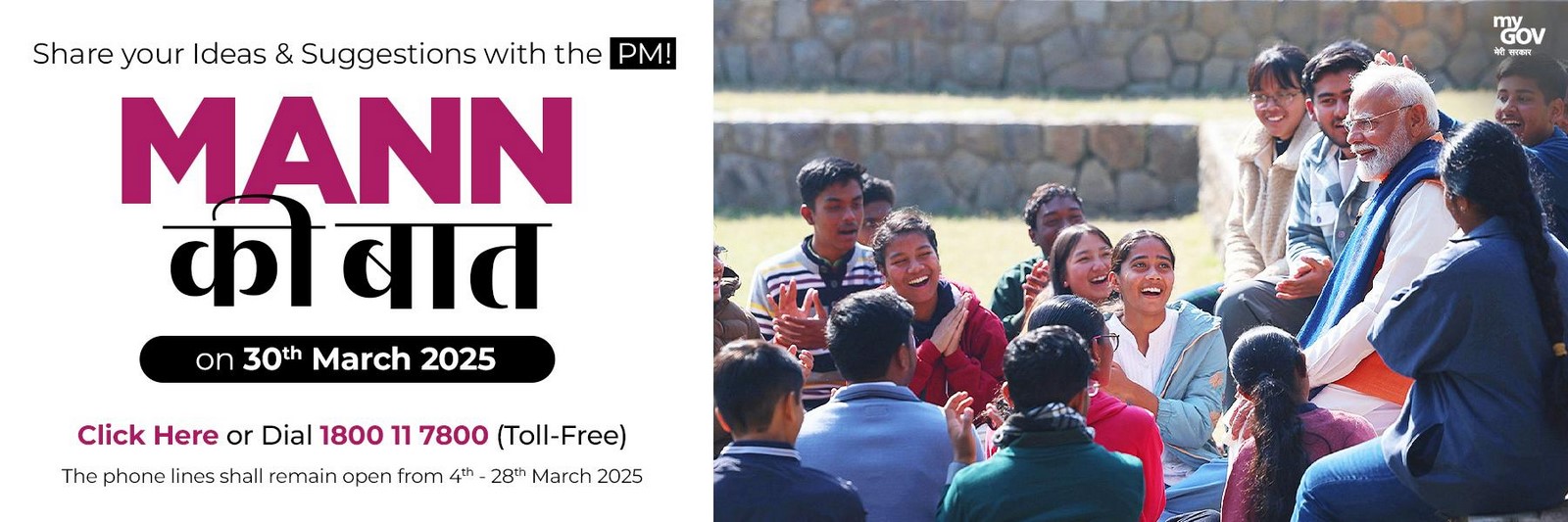
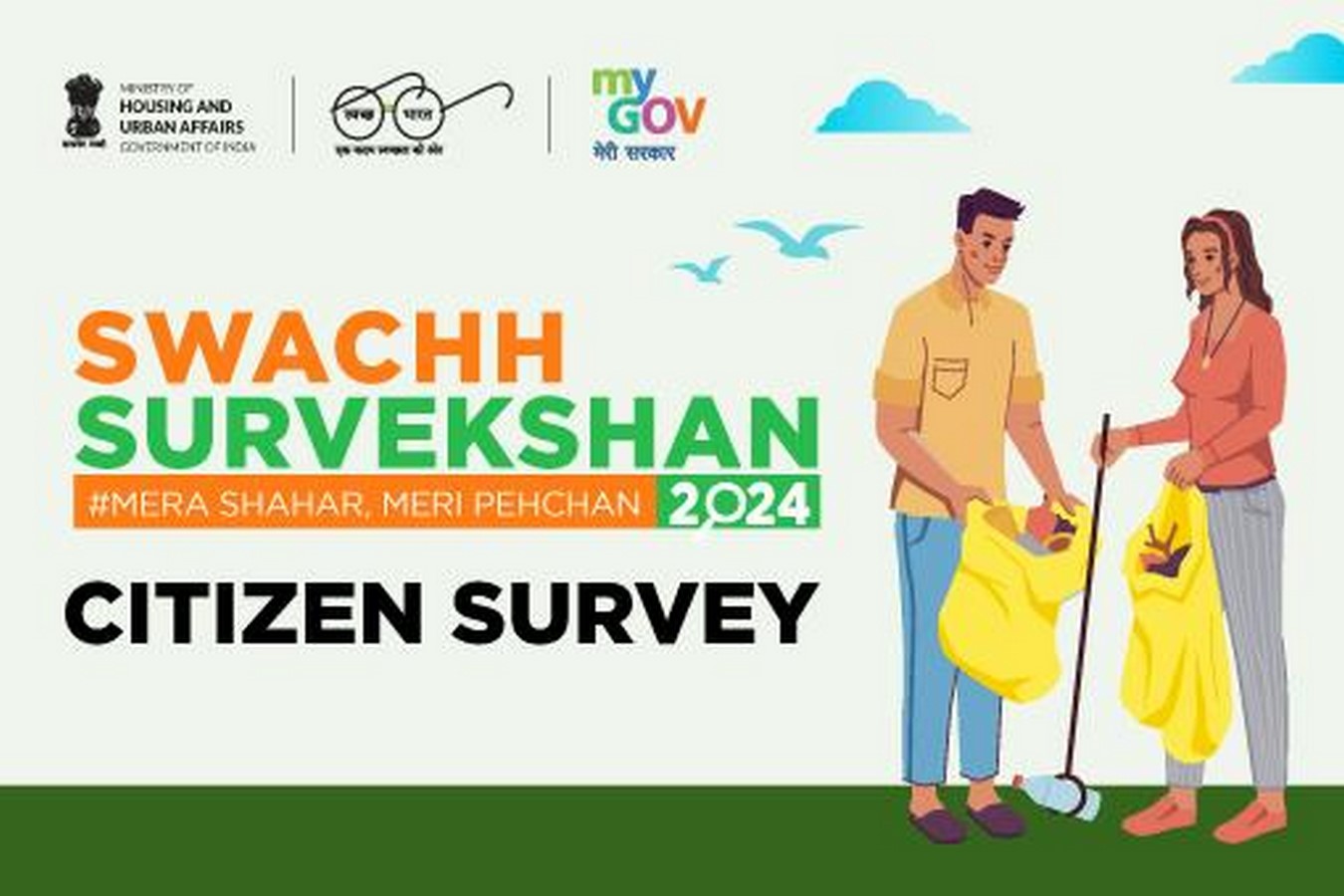
Digital platforms like MyGov, India, and e-petitions allow people to voice their concerns, and contribute ideas for policy reforms. Live-streamed town halls and virtual public meetings are held for more participation, without any limitation of geographic constraints reflecting inclusion. Twitter, Facebook, and Instagram enable real-time discussion platforms on civic issues and increase awareness. Like, during the COVID-19 pandemic, the initiative of announcing any public announcements or discussions, talks by the government, were held by going live on Facebook. Hashtag movements strongly demonstrate the power of digital activism. The public on social media holds authorities accountable by exposing corruption, injustice, and inefficiencies.
Digital Accessibility Challenges and Consequences:
Digital engagement promises great scalability and low funding with the expectation of greater inclusion. Digital tools enable crowdsourced policymaking, where citizens can contribute to local and national-level policies. Yet, there are some trade-offs in terms of inclusion and digital tools may not be the best option for every citizen, to afford or access. While seeing the expansion of this movement, challenges in good internet accessibility, digital literacy among every individual, and technological infrastructure in every part of society are still crucial roadblocks.
Some communities, the elderly age group, and rural and low-income groups often struggle to catch up in this digital engagement due to a lack of knowledge, sources, and training. With this, financial and technological literacy barriers, language, and data privacy are the big concerns creating trust issues and leading to misinformation and communication gaps between authorities and the public. This automatically excludes them from all the political decision-making, and civic discourses and limits their access to respective authorities, services, and information in the digital world. Digital exclusion also results in the widening of socioeconomic for communities facing digital empowerment.
Digital India: Walk of Power to Empower
The Indian government took an initiative as Digital India on July 1 2015 with the vision to transform India into a digitally empowered society and economy. Working to expand the digital economy and employment opportunities, covering a wide spectrum of accomplishments in sectors like broadband highways, mobile connectivity, internet accessibility, digital governance, etc. This program is playing a major role in redefining the socio-economic landscape of the nation, to ensure a brighter and more connected environment in the future. India stands in third position in terms of digitalization (according to State of India’s Digital Economy Report, 2024) With a clear focus on the vision of a “Viksit Bharat” i.e. Developed India by 2047, the government has scripted out a plan aimed at empowering citizens through social welfare programs, skill development, and education with a vision to emerge as a global leader under the Viksit Bharat vision through these strategic initiatives.
A Call to Action for Inclusive Digital Democracy
The existing exclusions need to be resolved by taking active measures to address the digital exclusions through educating policies about digital engagement, making internet services affordable, and strict data protection laws. To experience full potential, we must bridge the gaps, and ensure inclusive participation by prioritizing the proactive policies, innovation, and efforts by each stakeholder.
Citation:
- Townley, C. and Koop, C. (2024). Exploring the potential and limits of digital tools for inclusive regulatory engagement with citizens. Government Information Quarterly, 41(1), pp.101901–101901. doi:https://doi.org/10.1016/j.giq.2023.101901.
- Shin, Bokyong, et al. “A Systematic Analysis of Digital Tools for Citizen Participation.” Government Information Quarterly, vol. 41, no. 3, 1 Sept. 2024, pp. 101954–101954, https://doi.org/10.1016/j.giq.2024.101954.
- Admin. “The Future of Citizen Engagement: Digital Transformation in Public Sector Communications – Kanoo Elite.” Kanoo Elite, 20 May 2024, www.kanooelite.com/the-future-of-citizen-engagement-digital-transformation-in-public-sector-communications/. Accessed 7 Mar. 2025.
- Ministry of Electronics & IT, Government of India-2024-https://www.digitalindia.gov.in/about-us/
- Crist, Joe. “In an Increasingly Digital World, the Imperative to Integrate Digital Transformation within Governmental and Business Strategies Has Never Been More Pressing. Digital Inclusion, Which Ensures All Individuals and Communities Have Access to and Can Effectively Use Digital Technologies, Is Essential Fo.” Linkedin.com, 16 May 2024, www.linkedin.com/pulse/empowering-every-citizen-role-digital-inclusion-government-joe-crist-xxjye/. Accessed 8 Mar. 2025.
- “MyGov.in.” Wikipedia, 25 Apr. 2024, en.wikipedia.org/wiki/MyGov.in.
- “MyGov: A Platform for Citizen Engagement towards Good Governance in India.” MyGov.in, 2019, www.mygov.in/.
- https://www.orfonline.org/research/e-governance-and-citizen-engagement-pathways-to-resilient-and-equitable-cities
- admin. “Citizen Engagement and Participatory Governance through Digital Platforms.” Technology Innovators, 19 May 2023, www.technology-innovators.com/citizen-engagement-and-participatory-governance-through-digital-platforms/.