Rising above the dense Angolan landscape, Mbanza Kongo is more than a historical relic—it is a living testimony to the grand confluence of architecture, power, and spirituality that once defined the Kingdom of Kongo. Inscribed as a UNESCO World Heritage Site, the city’s ruins, motifs, and spatial configurations reveal a rich dialogue between indigenous African traditions and colonial imprints, a story written in stone, earth, and memory.
A City Built with Power and Faith
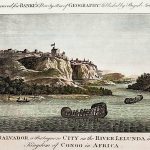
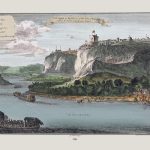
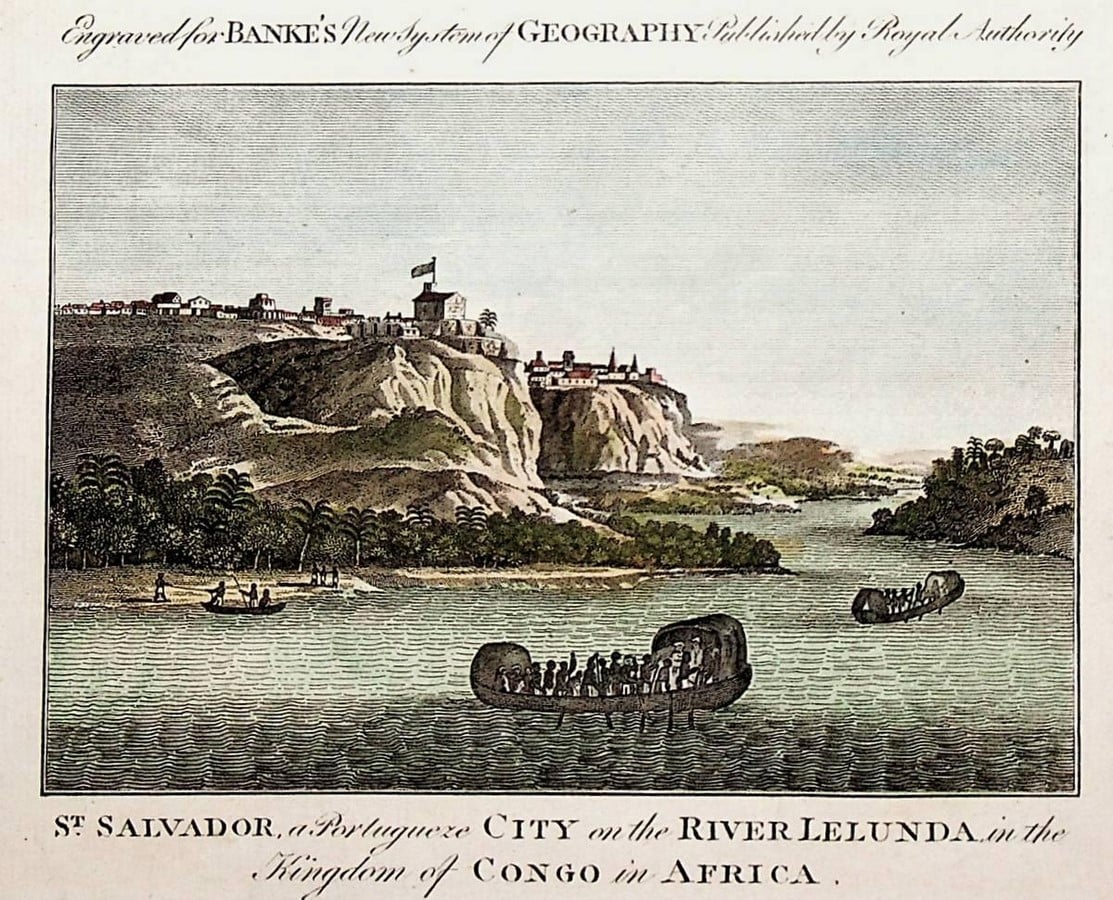
Perched upon a plateau, Mbanza Kongo was built to control the surrounding area, its very positioning reinforcing the authority of the Kongo monarchs. Unlike the rigid axial plans of European capitals, Mbanza Kongo was more organic in its growth, based on both cosmological principles and the socio-political structure of the Kongo people. The king’s residence was at the heart of the settlement, not only a place of living but also a place of worship, the physical presence of the Manikongo on earth.
This centralization was not just a matter of convenience; it was a conscious decision to make the power stream out from one source. The other structures that surrounded it – audience halls, council chambers, and houses for the nobles – sustained a hierarchical society in which nearness to the king was both a blessing and a way of declaring rank.
Sacred Spaces and Spiritual Syncretism
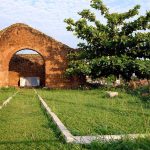
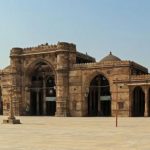
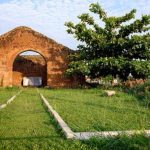
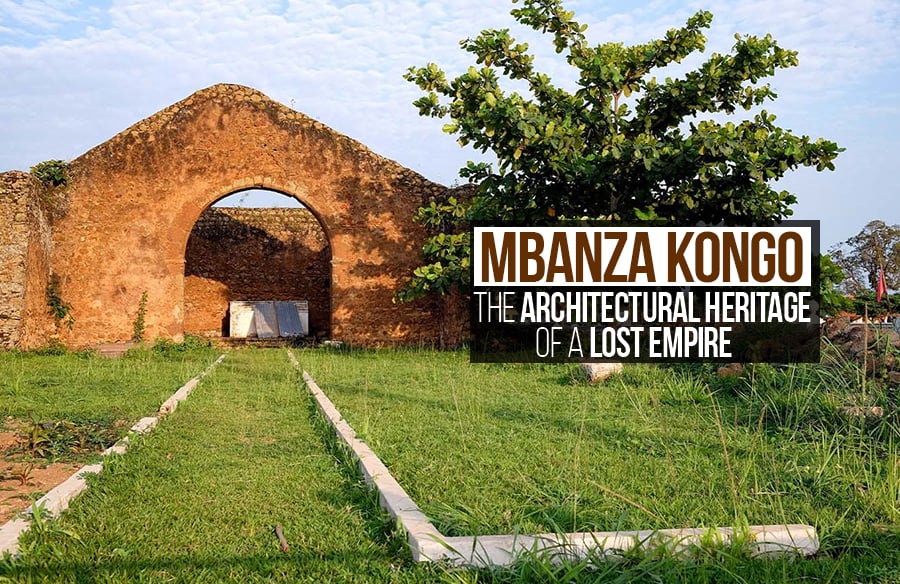
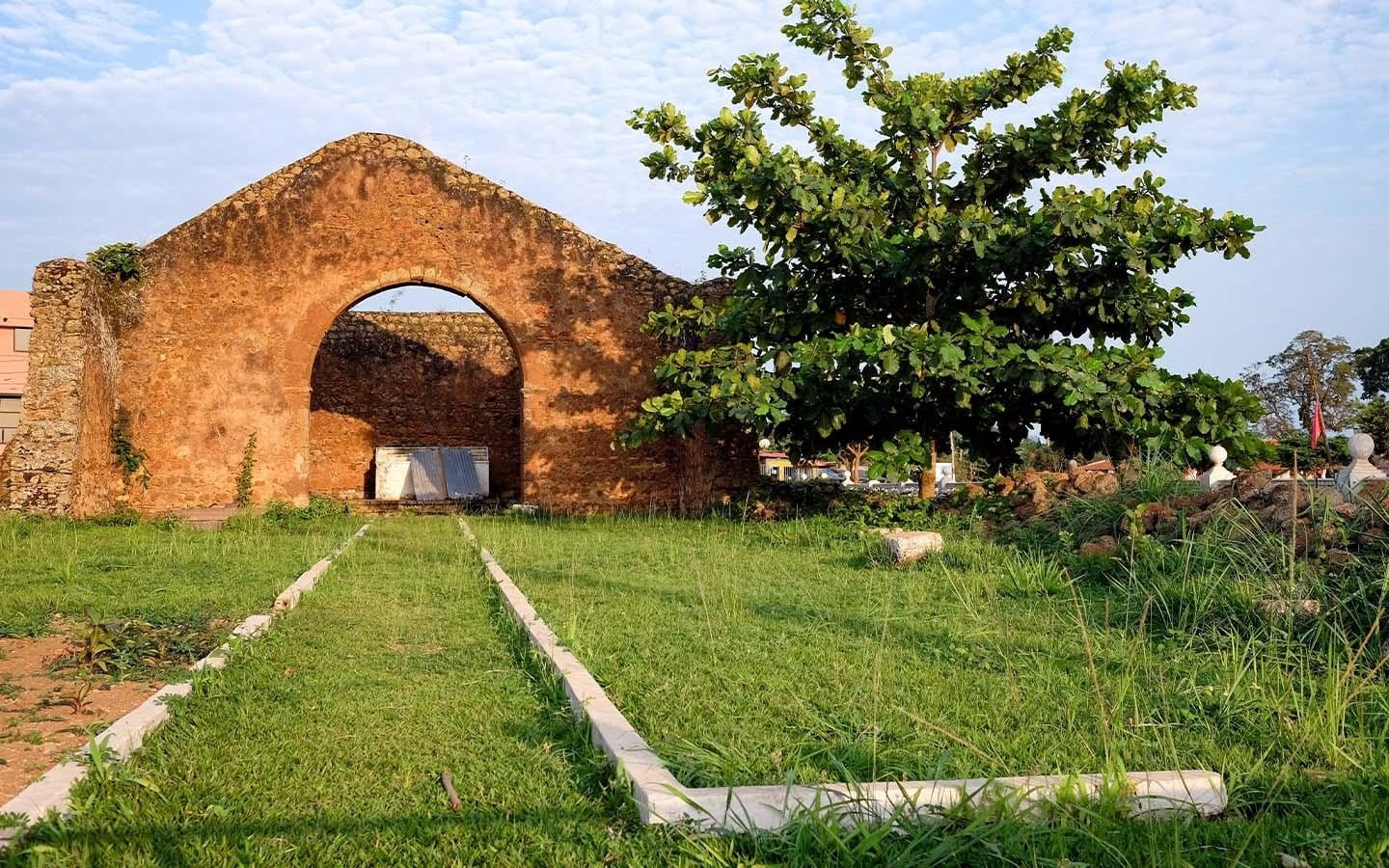
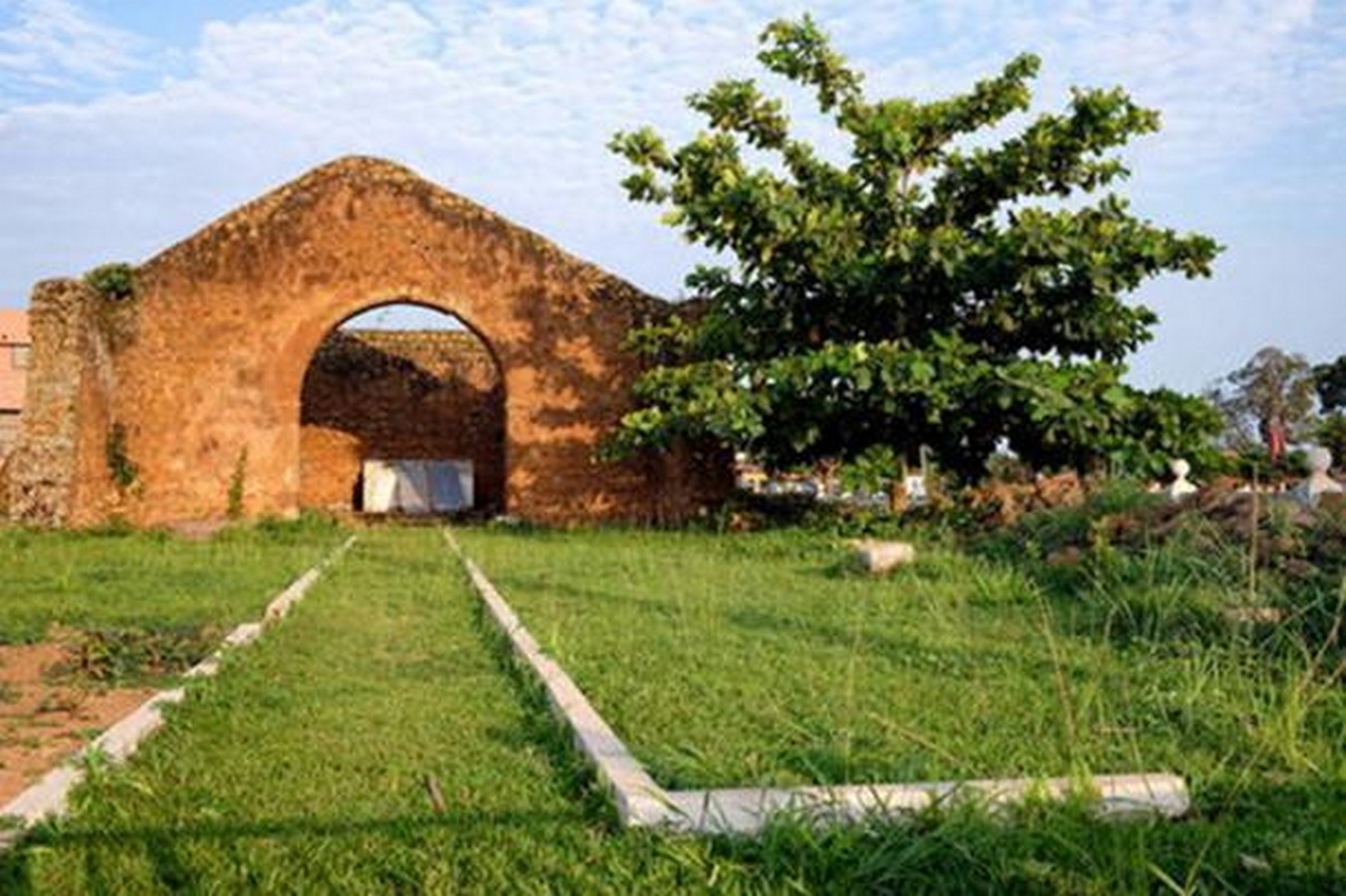
The Kulumbimbi Church is the spiritual focus of Mbanza Kongo and is an architectural piece that has been re-written. Initially constructed as a Catholic church by the Portuguese missionaries in the 15th century, it lies in ruins and is bearing the marks of the centuries of syncretic transformations. The Kongo people did not simply copy the European architectural styles; they gave them the local meaning.
The Kulumbimbi was more than a Christian church; it was a church where Christian practices were combined with local rituals. The Kongo craftsmen, who were experienced in the manipulation of local materials, have left behind some stone and lime constructions which are quite different from the wattle and daub constructions that were common in the area. The very use of stone – a material usually used for sacred or monumental purposes – signified at the same time submissiveness and submissiveness, a quiet way of claiming empowerment when facing colonial power.
Motifs and Symbols: Analysing the Kongo Style
Mbanza Kongo has an architectural language which is rich, but also rich in meaning. The geometric patterns that are visible on the fragments of the surviving materials are not just decoration; they are symbols that relate to the cosmology. The circular forms used in Kongo art and architecture represent dikenga, the circularity of life as a belief system that views life, death and rebirth as a cycle.
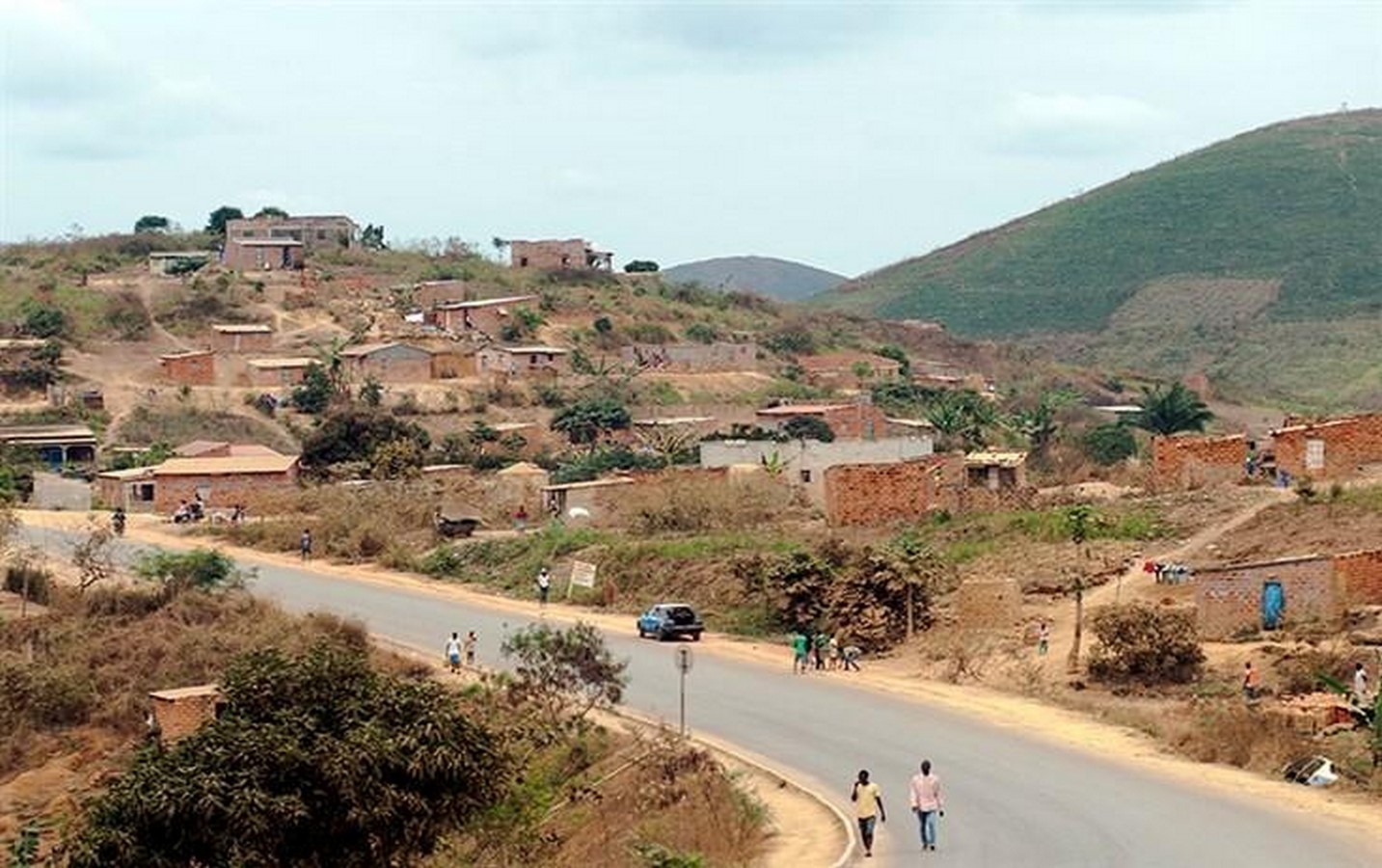
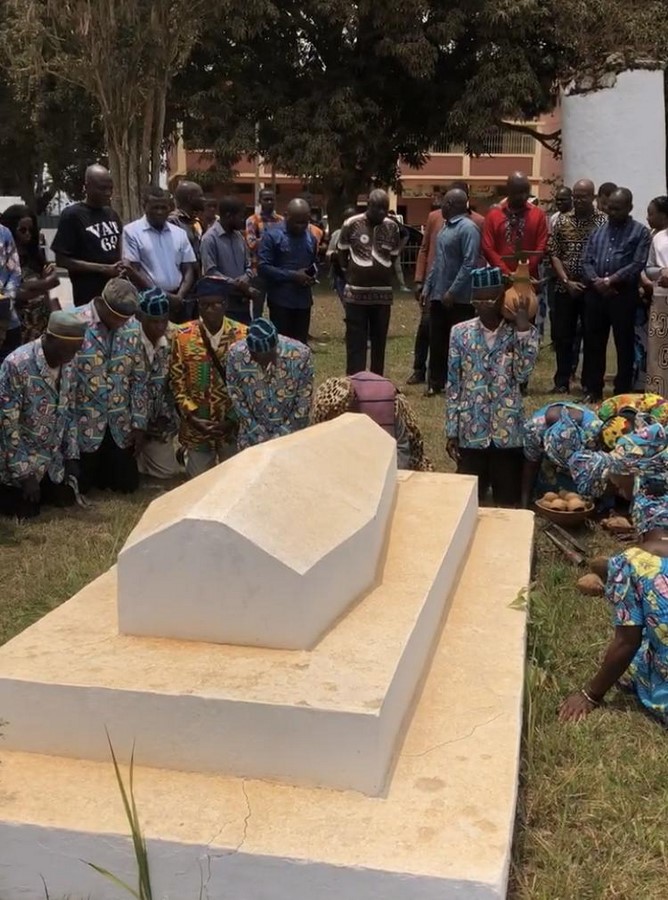
Out of the walls, the plan of the city itself corresponds to the Kongo philosophy. The partition of Mbanza Kongo into different wards was based on the four directions of the dikenga and each area was said to have its role in the different stages of life and spirit. Ancestral groves, burial sites and community gathering places were not just located randomly but were located in relation to the spiritual geography of the kingdom.
From Earthen Enclosures to European Intrusions
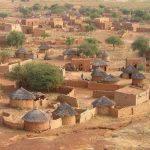
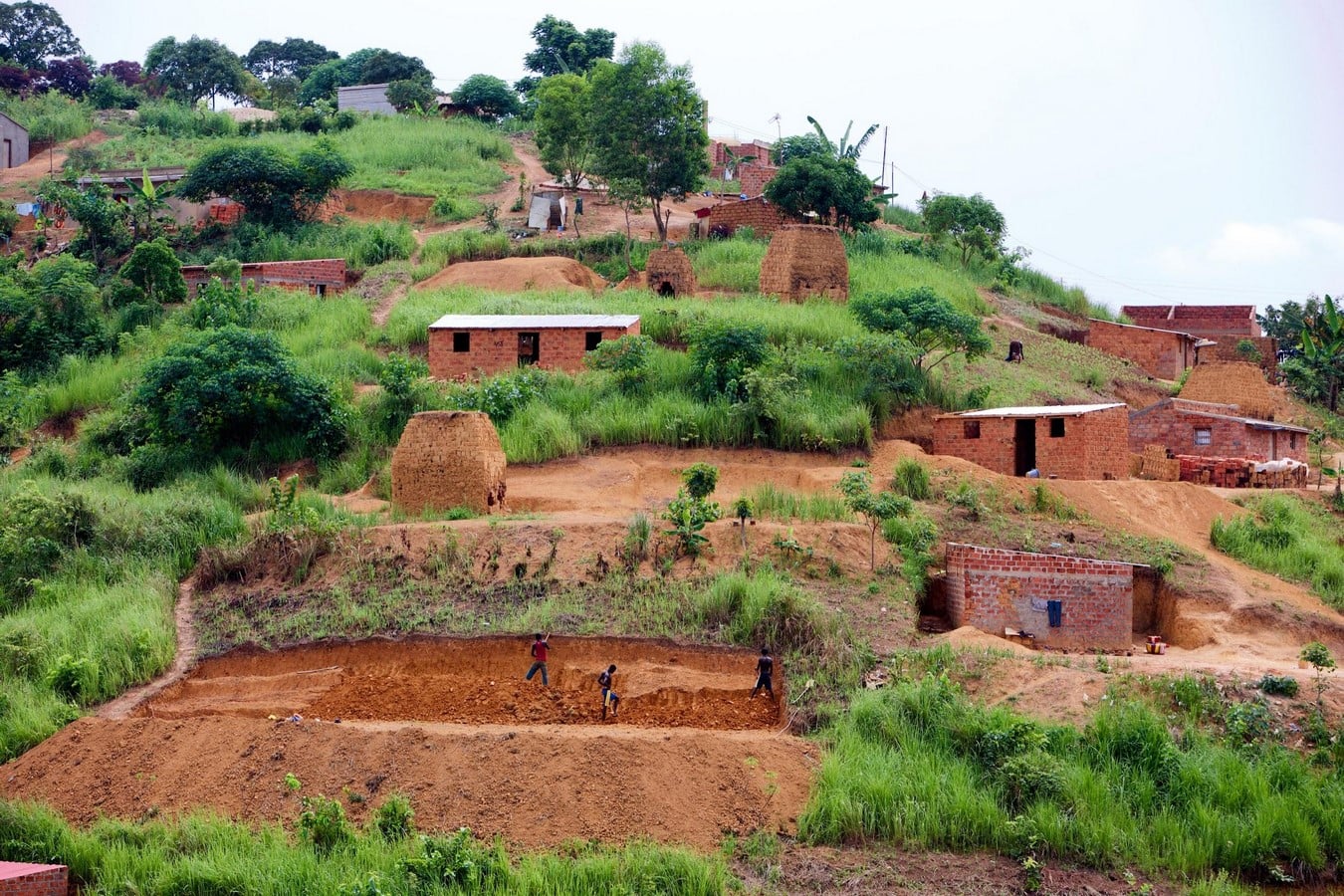
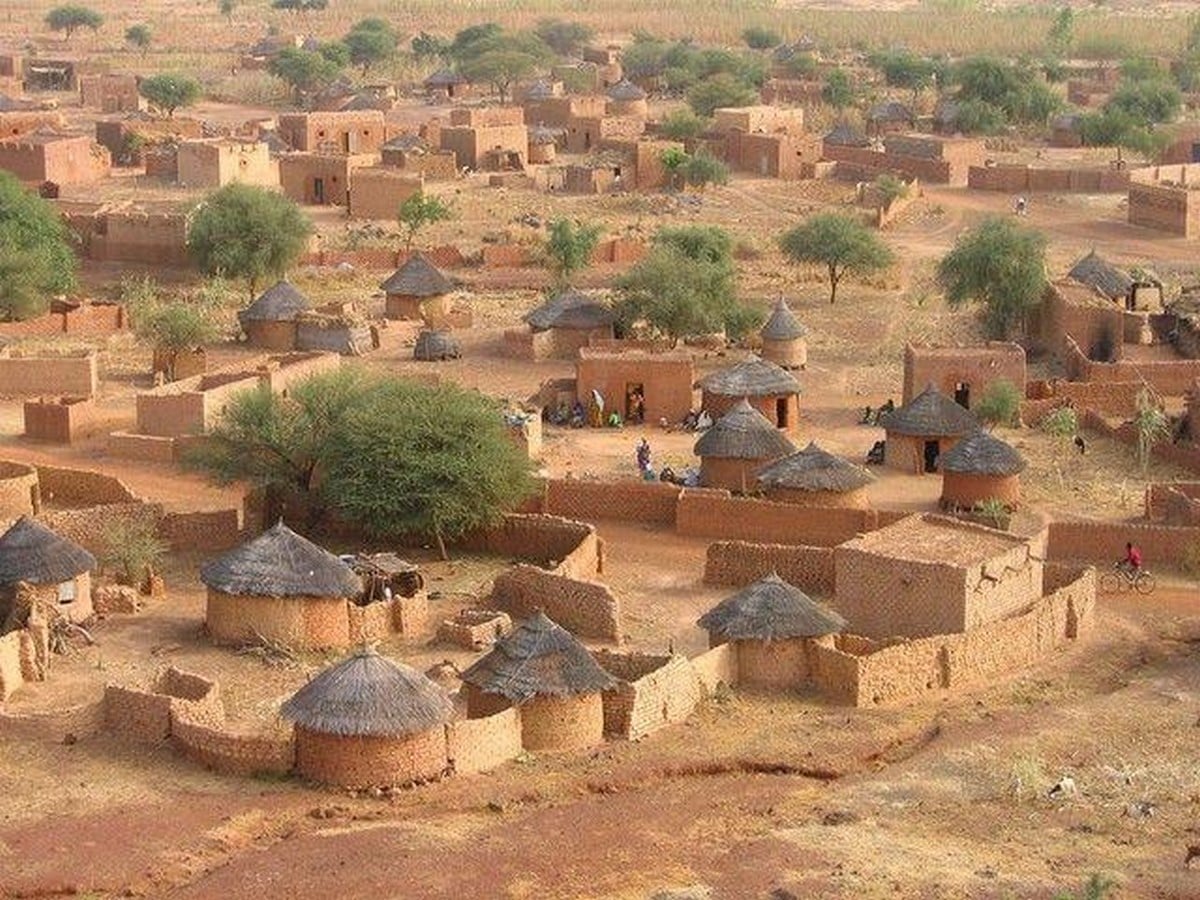
The first buildings of Mbanza Kongo’s built environment were made with wood, thatch, and compacted earth materials which the land provided. This organic approach to architecture was also an expression of a close understanding of the climate and the terrain, for structures that were to be both adaptive and sustainable.
But then the Portuguese came and with them came new materials and ways of constructing buildings. The combination of European stone masonry with the Kongo design sensibilities created a new architectural style. Although stone buildings were solid and strong and were considered to be almost permanent, they were combined with the pre-existing structure of the city to maintain the Kongo urbanism.
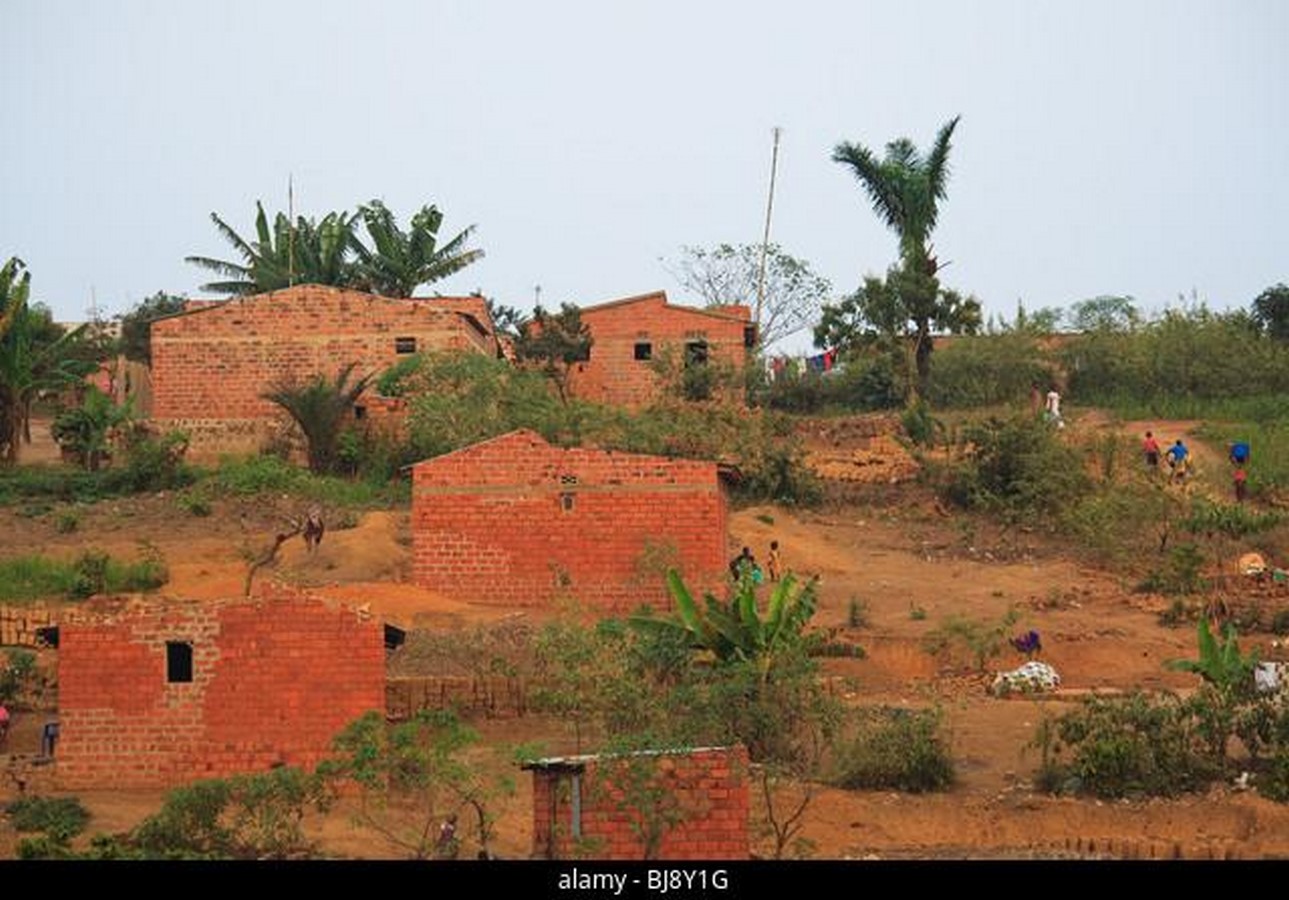
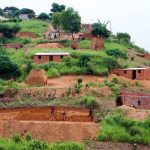
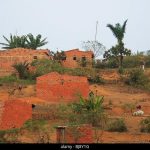
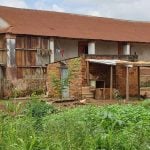
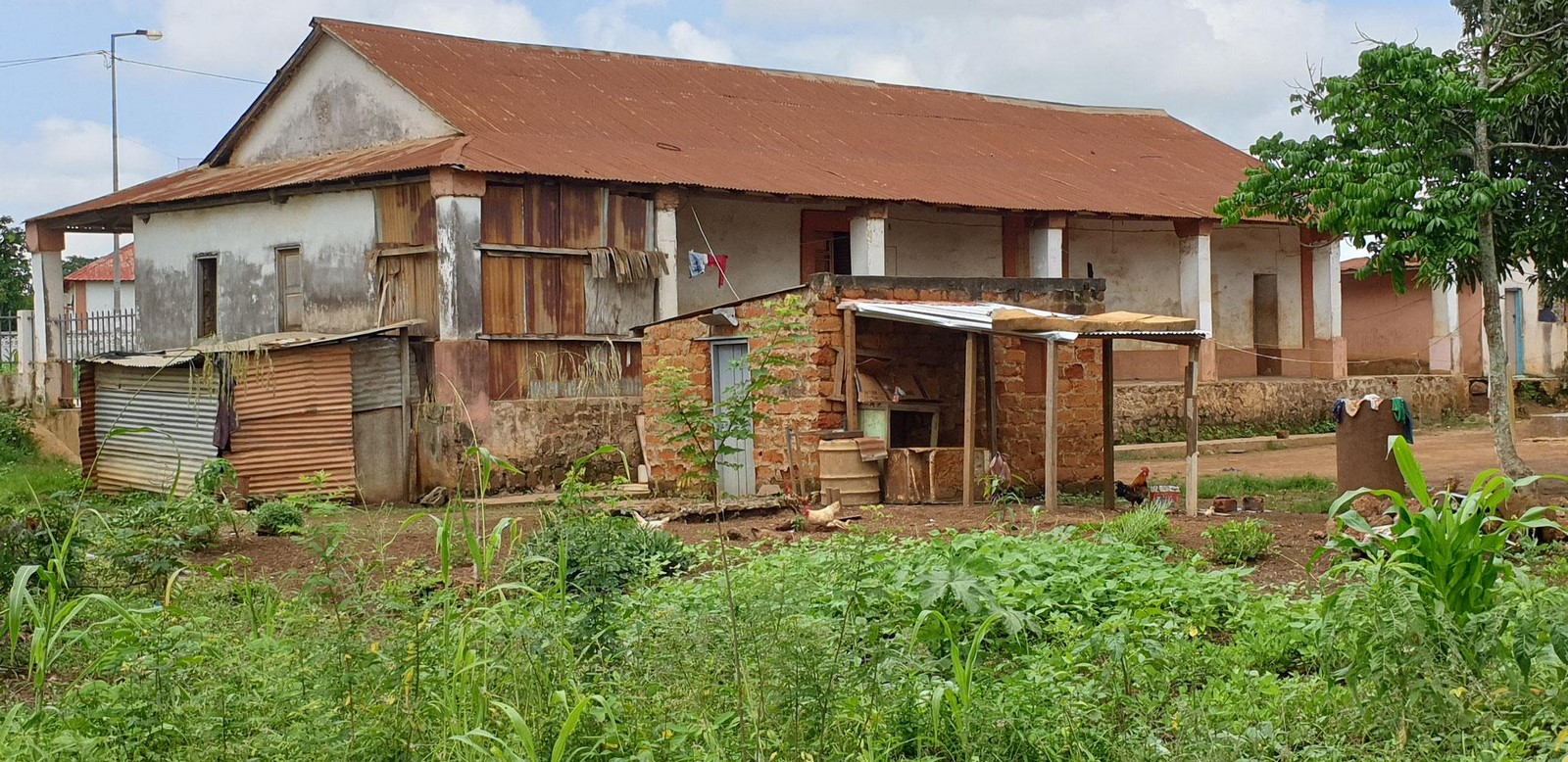
However, Kongo style building techniques died out as far as domestic architecture was concerned. The round or rectangular shaped houses with small central courtyards, which were the centre of community activities, remained typical for the region. This architectural continuity was the evidence of the identity continuity even under colonial influence. This situation continued until the end of the twentieth century when people began to build houses according to the traditional style but using modern construction materials such as metal sheets for the roof and walls.
Public Spaces and Political Choreography
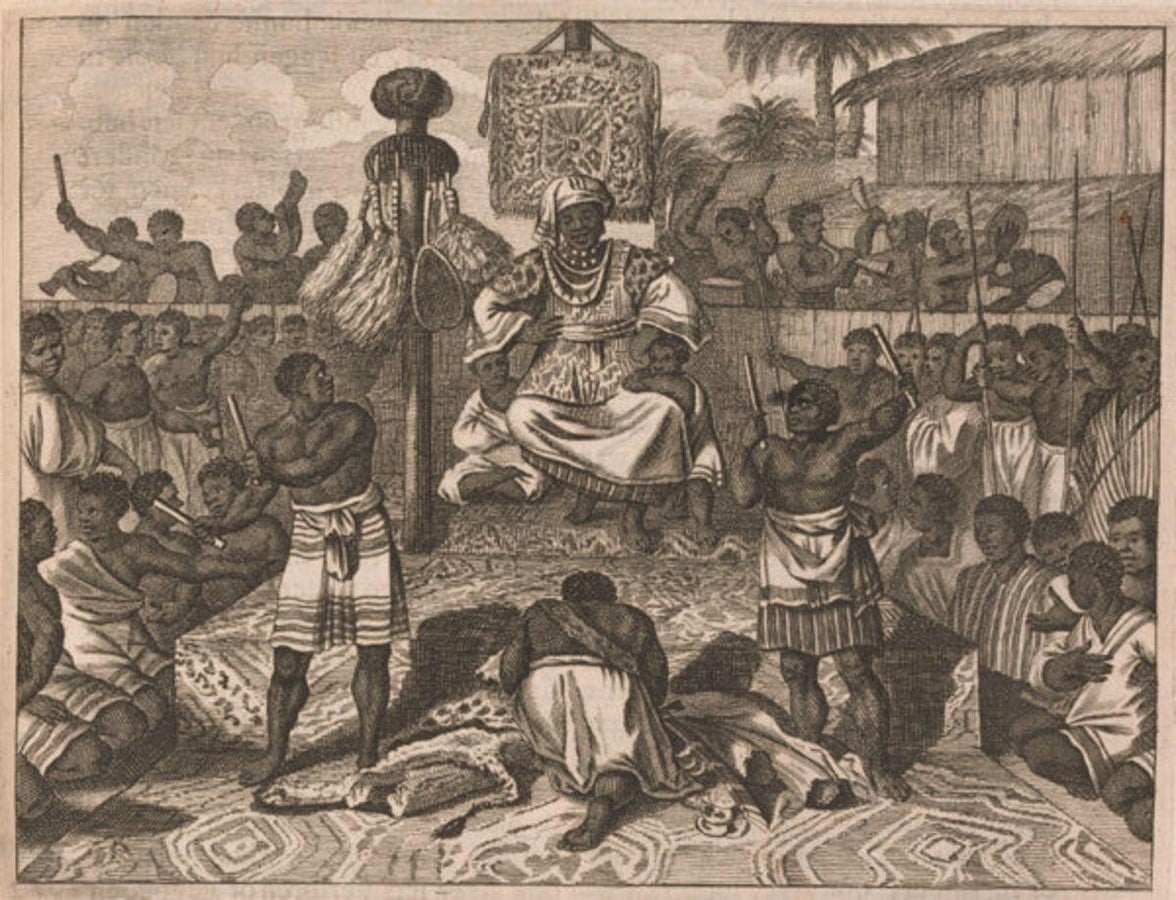
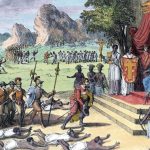
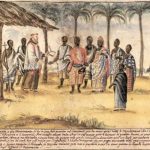
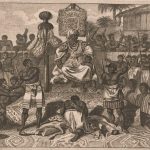
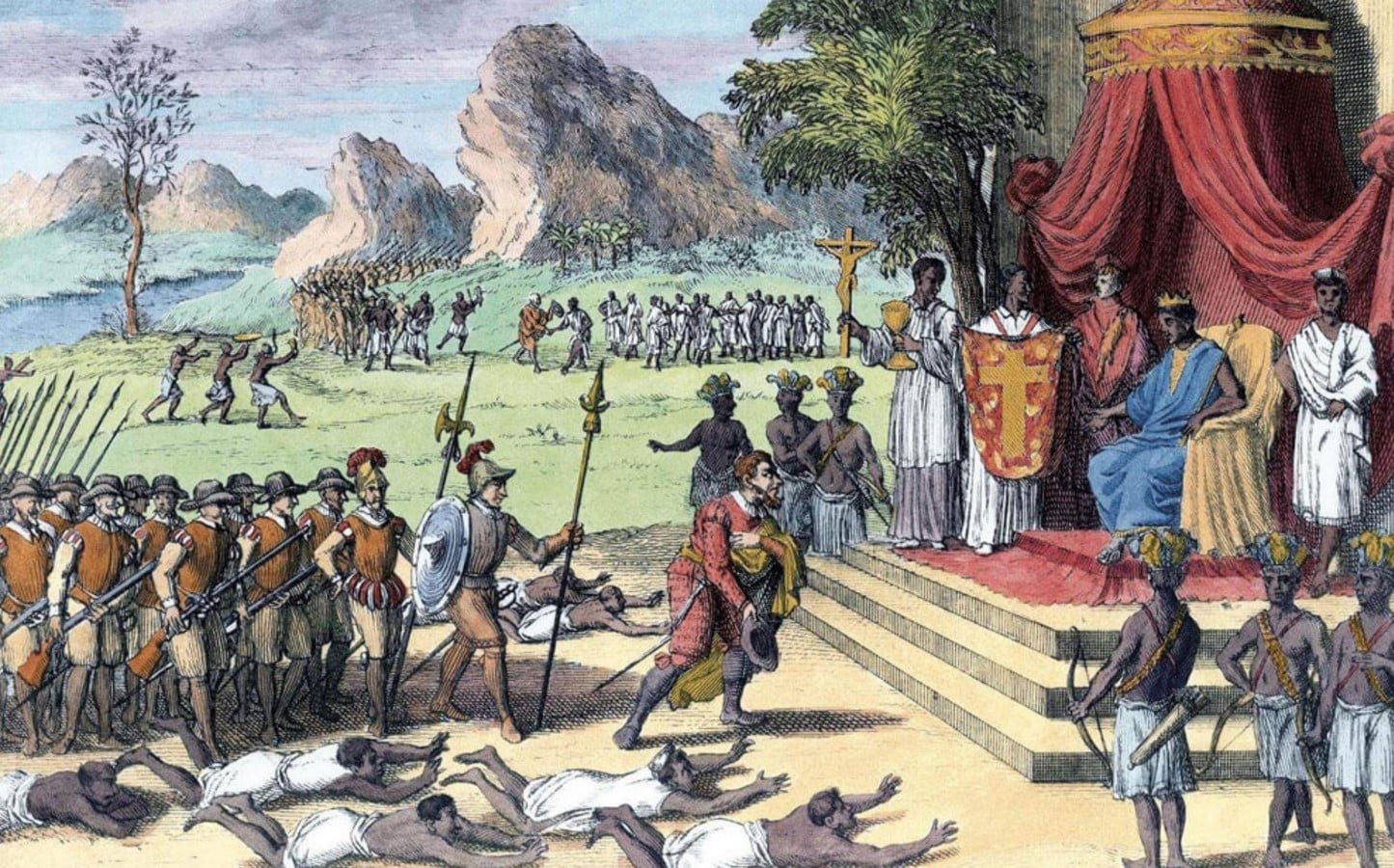
The public spaces in Mbanza Kongo were not just the empty spaces between buildings; they were the places where politics and society were performed. The Manikongo sat on a platform and ruled the kingdom from a high place, physically as well as metaphorically. The large open spaces enabled large crowds, diplomatic receptions, and judicial proceedings to demonstrate the dramatic nature of Kongo politics.
Even the markets, which were filled with vendors and clients from all over Central Africa, were designed with a purpose. These commercial places were the cultural crossroads where the architecture of the shaded pavilions and the raised platforms was not only for business but also for meeting and bargaining.

The Living Legacy of Mbanza Kongo
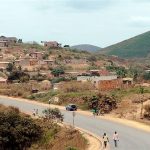
Today, Mbanza Kongo is both a ruin and a living city, a curious example of the past and the present. Its people’s identity is still informed by the material evidence of its past: worn-out walls, buried foundations, and oral traditions. The current developments in the city seek to conserve the architectural character of the city while at the same time addressing the current and future needs of the citizens. Restoration processes are carried out with conservation as well as restoration, which means that the spirit of Mbanza Kongo does not become another historical artifact but continues to be alive and relevant.
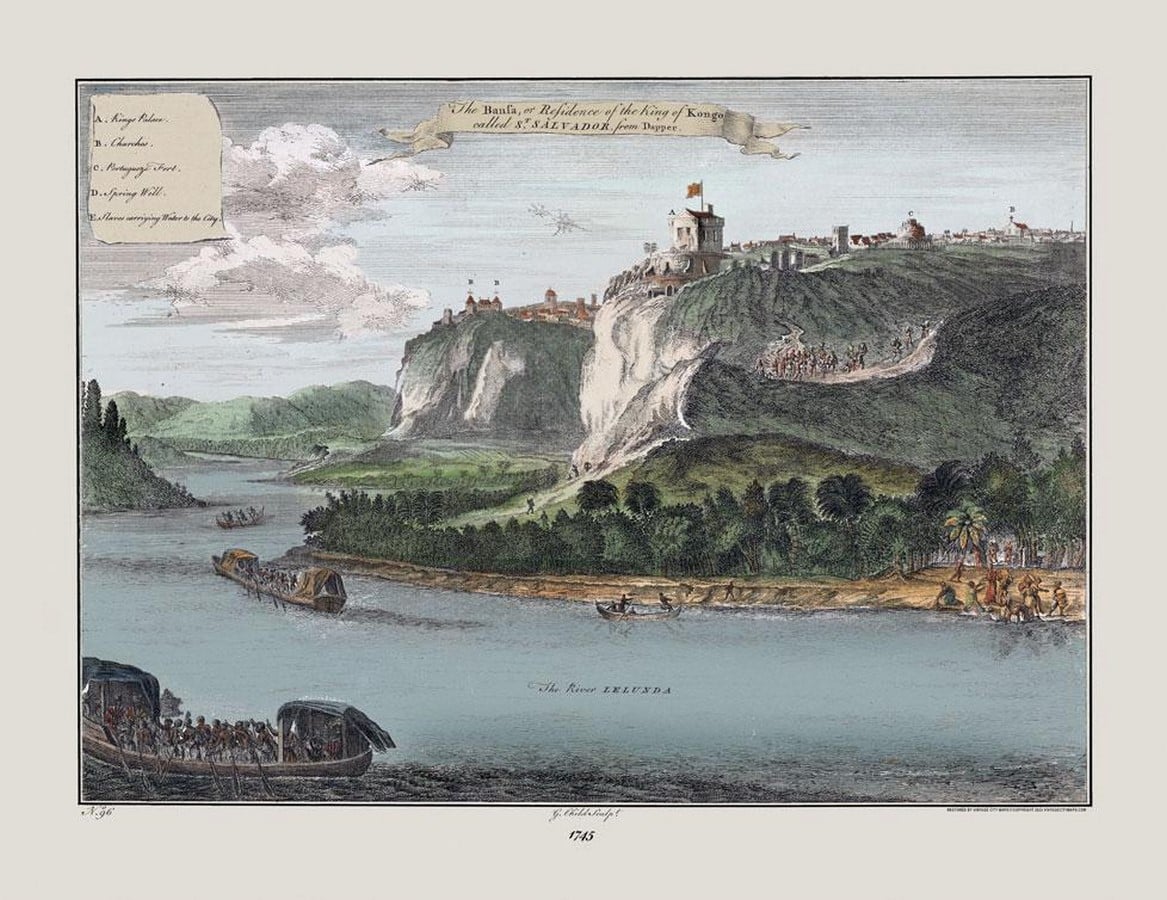
Although the architecture of the city is partially preserved, it presents a unique example of the Kongo’s spatial practice and spatial memory. Mbanza Kongo is not only a historical site but a living testimony to the Kongo people, and every stone and building is a testimony that architecture is about buildings and the people who live in them.