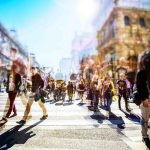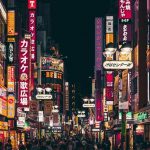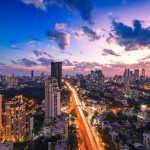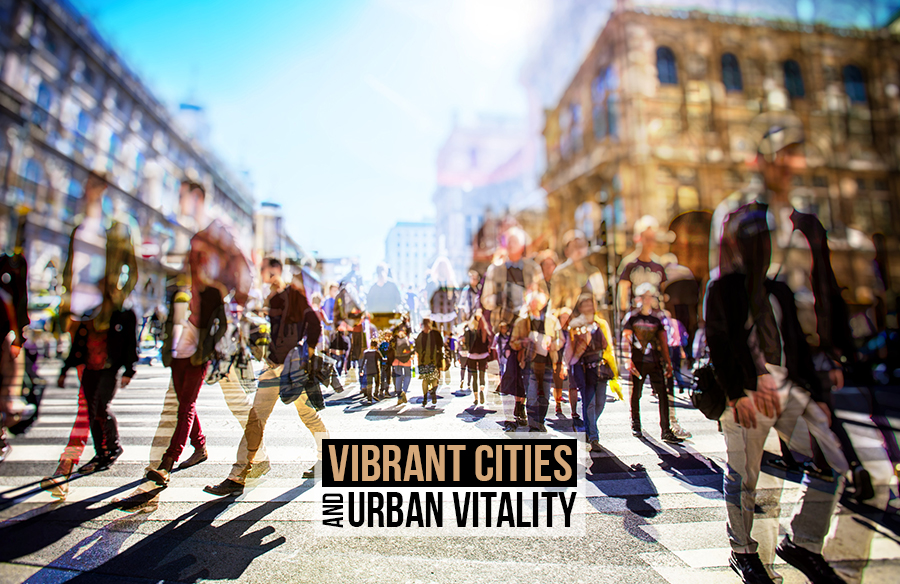
A city is a living, breathing ecosystem with unique individual aesthetics and tones, set by the people who inhabit them. The basic building block of any city is the street. This is where you can tell if a city is thriving or not. Buildings and neighborhoods are dynamic organisms within this ecosystem, which grow and evolve in response to how people interact with them.
As architects and planners, one of the main questions we try to answer is, “What makes a city alive, and how can we design something that would add to it?” The answer to this question is tricky. Simply put, a city feels alive when the urban fabric reflects the vibrancy of its residents, engaging people through its dynamism and energy. The main aim for architects and urban planners is to incorporate nature, color, texture, and public spaces into cities to maintain urban vitality.
The Heartbeat of a City
The essence of any city can be felt by the rhythms of day-to-day life, the social and cultural fabric, and its subsequent exchange that unravels inside its edges. The cathartic beat of morning commuters, energetic streets, and bustling marketplaces are what define the pulse of the city. This is what sets the tone and breathes life into the urban fabric.
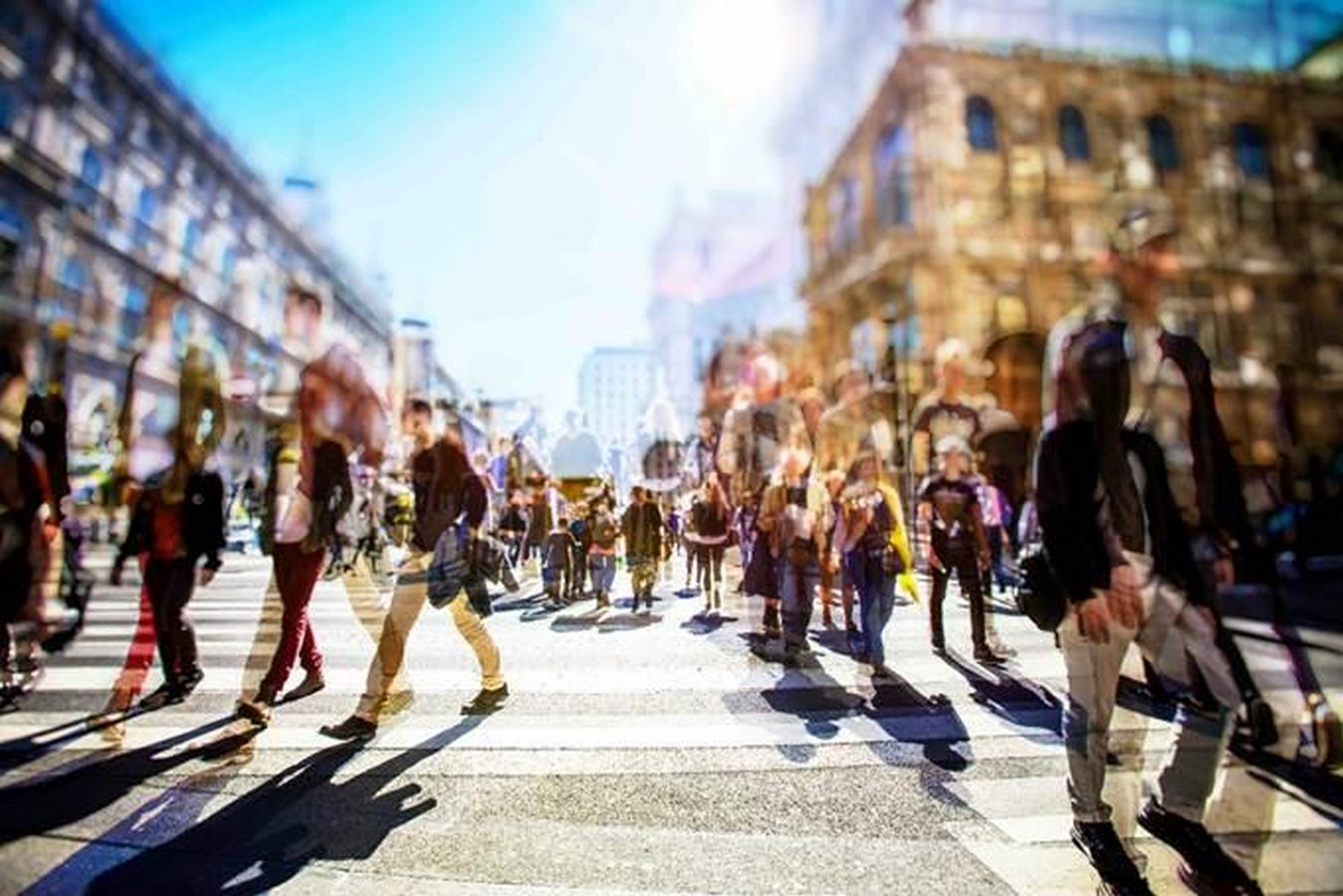
The vitality of a city is always discussed in accordance with its density. Jane Jacobs, author of The Death and Life of Great American Cities, envisioned the future of cities, which amalgamated the mixture of shops, offices, and housing, bringing the community together in order to live their lives. She believed that the people and the diversity that they bring to the table, is fundamental to what makes a city feel alive. The people make the city.
Vishaan Chakrabarti, architect and author of The Architecture of Urbanity: Designing for Nature, Culture, and Joy, reiterates this ideology, drawing a connection between urbanity and diversity. He uses this term “positive social friction” to define the idea of people who look different, pray different, and maybe most importantly, think differently from one another, colliding in space. In his book, urbanity is defined as a spatial and cultural condition where people with different cultures and classes interact via architectural spaces.
Thinking back to the Pandemic and its effect on the vitality of a city, it can be deduced that when you take away the energy that people bring to a space, the city loses its efficacy. The pandemic changed the meaning of “alive” and brought on a new appreciation for public spaces, which are the ultimate grounds for social interaction.
The Role of Architecture
Fast-paced cities like Mumbai, New York, or Tokyo, demand constant motion and a surge of energy from their inhabitants. On the contrary, cities like Venice or Prague bring about a sense of leisure and exude a calming effect, with people moving at a slower, more deliberate pace, without any urgency in their steps. No matter how the city functions, an essential component for any city is to be able to provide a space of respite to its residents from their everyday lives. This takes shape in the form of public parks, plazas, or even waterfronts, where one can take in nature and let themselves relax.
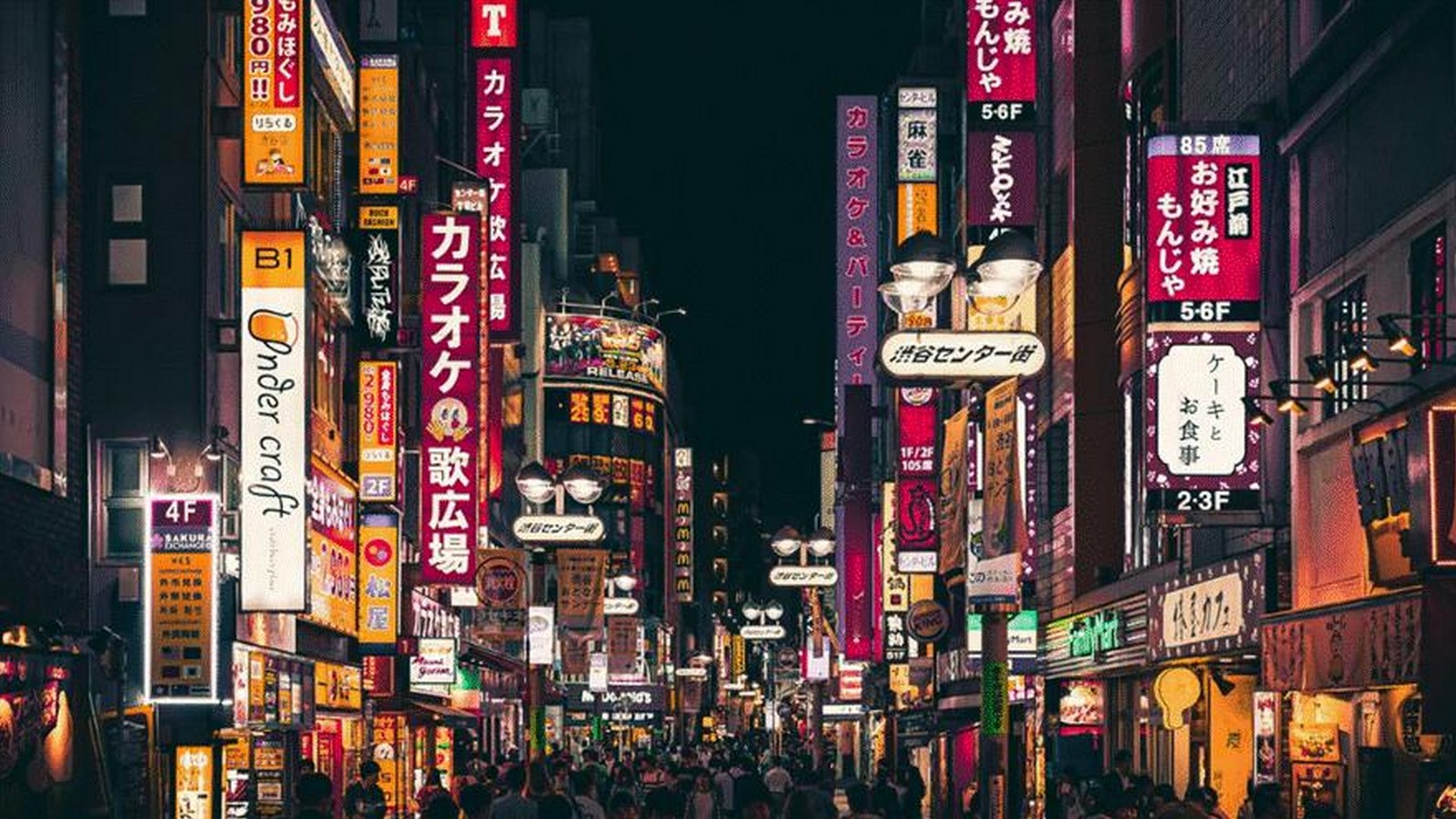
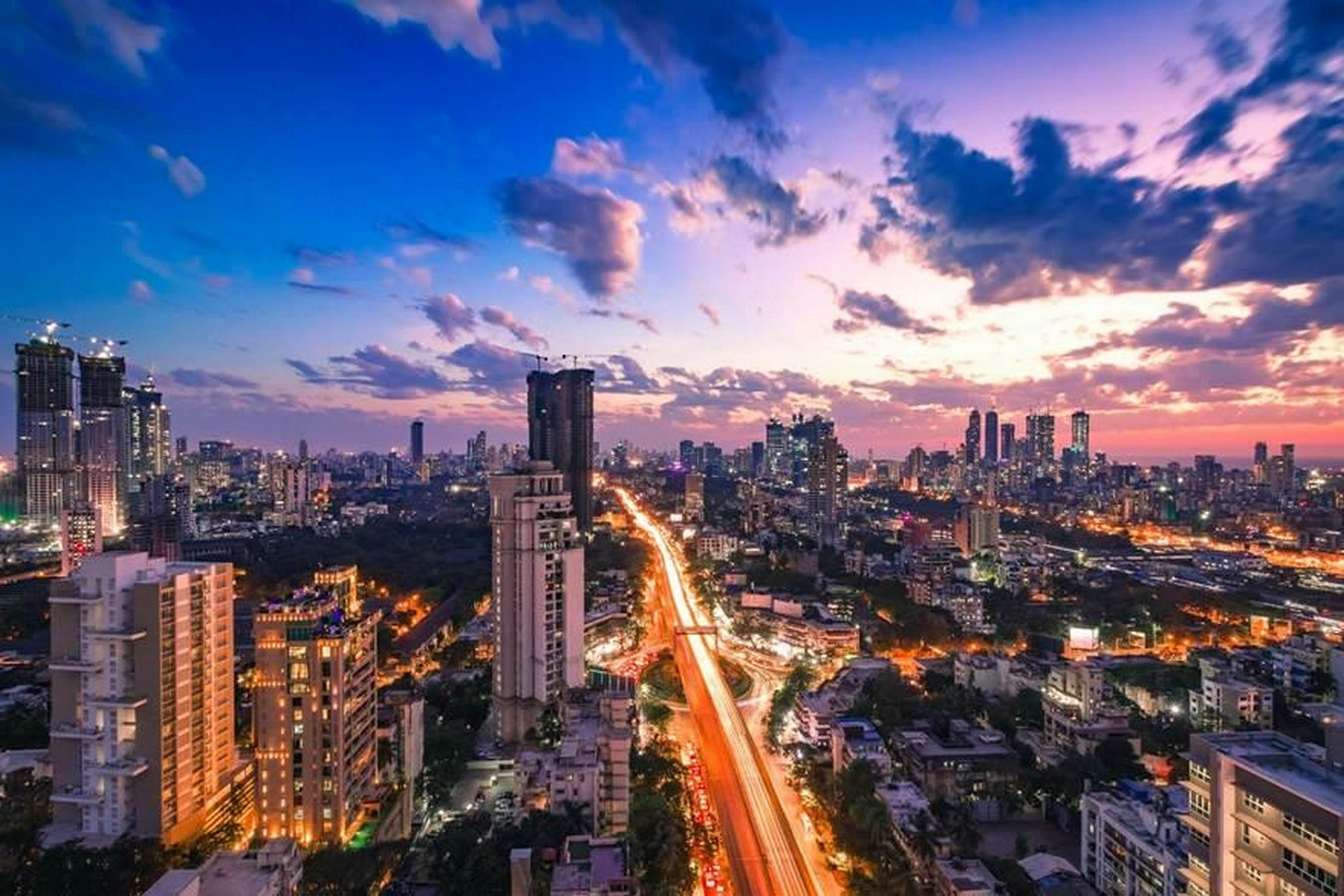
These spaces, in reality, have a dual function – they act as places of rest but also encourage social interaction and community building. One of the most integral parts of designing buildings in this contemporary age is to be able to give back civic space to the city. Architecture forms the structure of any city, but it will be rendered irrelevant without the people who shape the meaning of these urban environments.
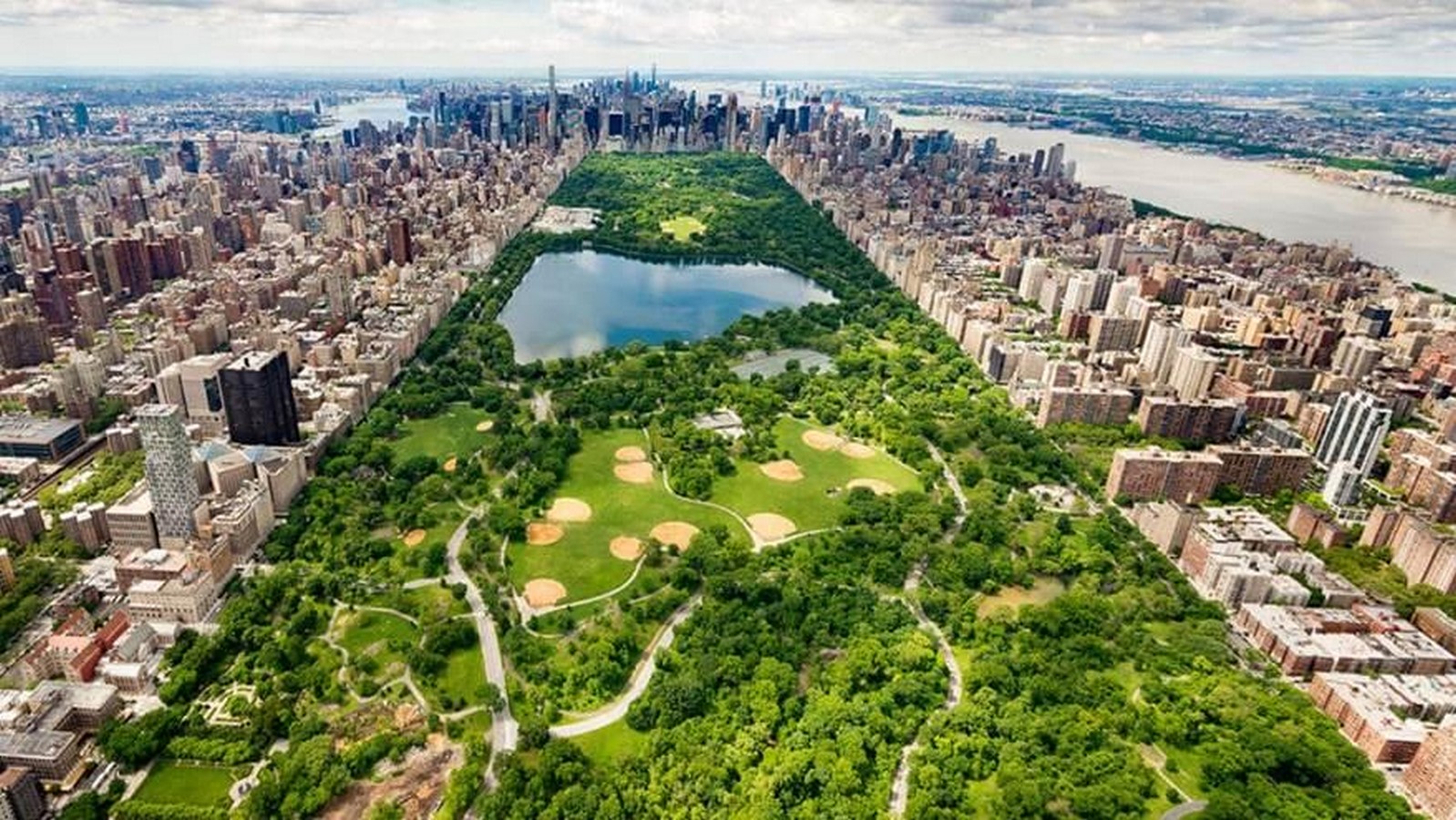
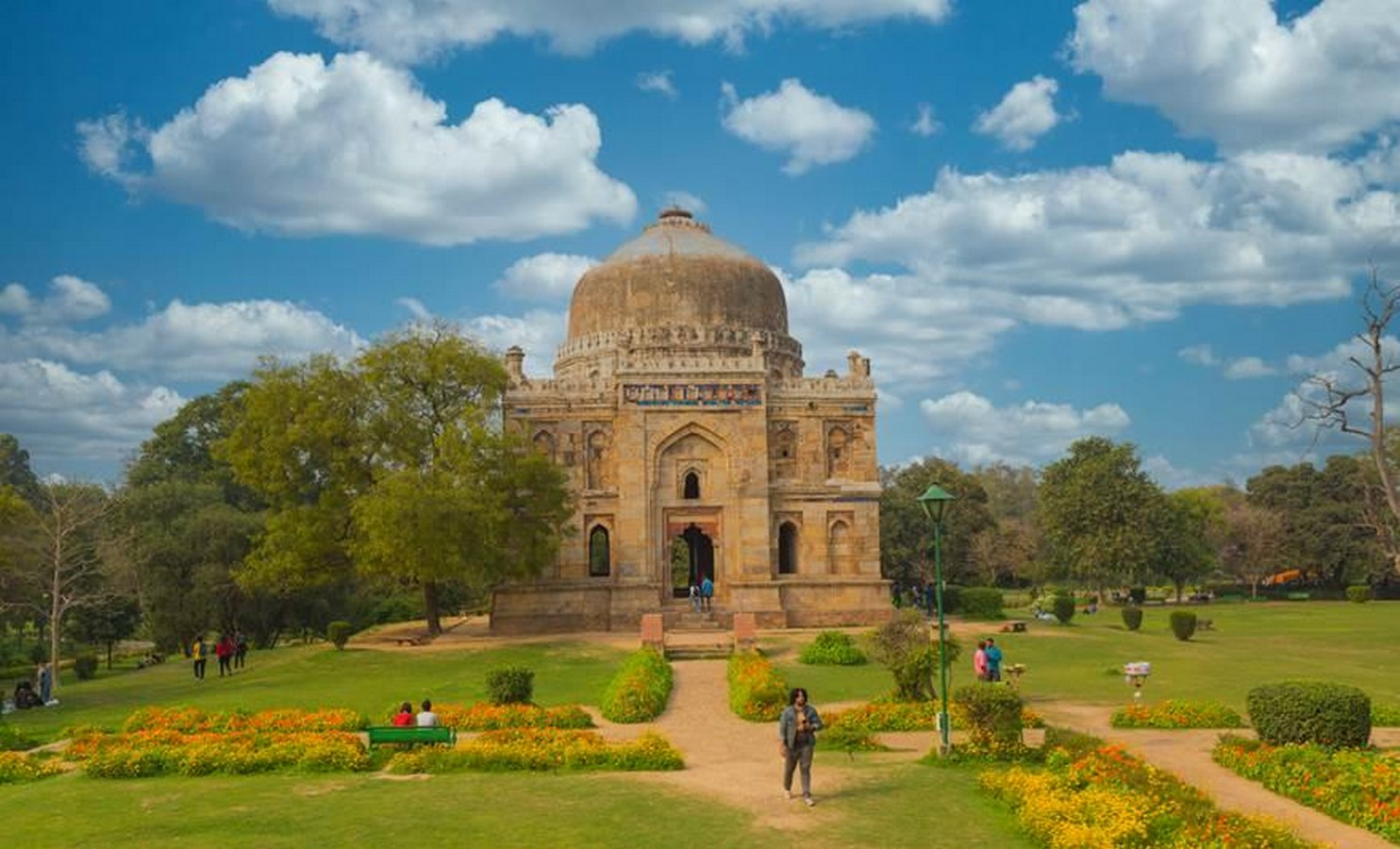
Imagine New York City without Central Park at the heart of the dense urban fabric or New Delhi without any of its numerous parks like Lodhi Gardens or the Sunder Nursery. Wouldn’t the city lose half its charm if the people didn’t have a space to socialize and exchange knowledge? Well-designed public spaces act as equalizers, accessible to people from all walks of life, and provide a respite from the often privatized and commercialized aspects of urban environments. Ultimately, public spaces are not just physical locations—they are the soul of a city, where its energy, culture, and identity come to life.
The Invisible Imprint
Lastly, the city is ever-evolving and its atmosphere is never static. Each event, social, cultural or political, adds a layer to the tone of the city. Each generation builds on the foundation set by the previous generation, unfolding the diverse experiences that have emerged over time, while also simultaneously adding to the complexity and vastness of the city.
Currently, our cities are evolving into self-similar imitations of one another, leading to this unintentional homogeneity across the globe. Our aim as architects and urban planners should be to build conducive environments that maintain the essence of the city and add an extra layer of innovation to it. The architecture should be inspired by these collective experiences and reflect the joy, excitement, sorrow, or hope, aiming to create temporal structures that hold this shared emotional imprint. The goal is to establish cities, not just as places on the world map, but as shared experiences that transcend the physical space, leaving a lasting impact on the people who reside in these spaces.
References:
- Budnik, Y. (2024). The Atmosphere of Cities: A Living Tapestry Shaped by People. [online] Medium. Available at: https://medium.com/@yanabudnik/the-atmosphere-of-cities-a-living-tapestry-shaped-by-people-7610da64d307 [Accessed 7 Mar. 2025].
- Houtz, P. (2017). What Makes a Place Feel Alive? Available at: https://wildrye.com/what-makes-a-place-feel-alive/ [Accessed 7 Mar. 2025].
- Chakrabarti, V. (2024). The Architecture of Urbanity. [online] Talking Headways Podcast. 10 Oct. Available at: https://usa.streetsblog.org/2024/10/10/talking-headways-podcast-the-architecture-of-urbanity [Accessed 6 Mar. 2025].
- Slow Thoughts. (2024). Stockholm Swinging: What Makes This City Feel Alive? [online] Available at: https://slow-thoughts.com/stockholm-swinging/ [Accessed 6 Mar. 2025].
- Project for Public Spaces (2010). Jane Jacobs. [online] Pps.org. Available at: https://www.pps.org/article/jjacobs-2 [Accessed 6 Mar. 2025].
- Nelson, L. (2016). Jane Jacobs believed cities should be fun — and changed urban planning forever. [online] Vox. Available at: https://www.vox.com/2016/5/4/11583342/jane-jacobs-100th-birthday.