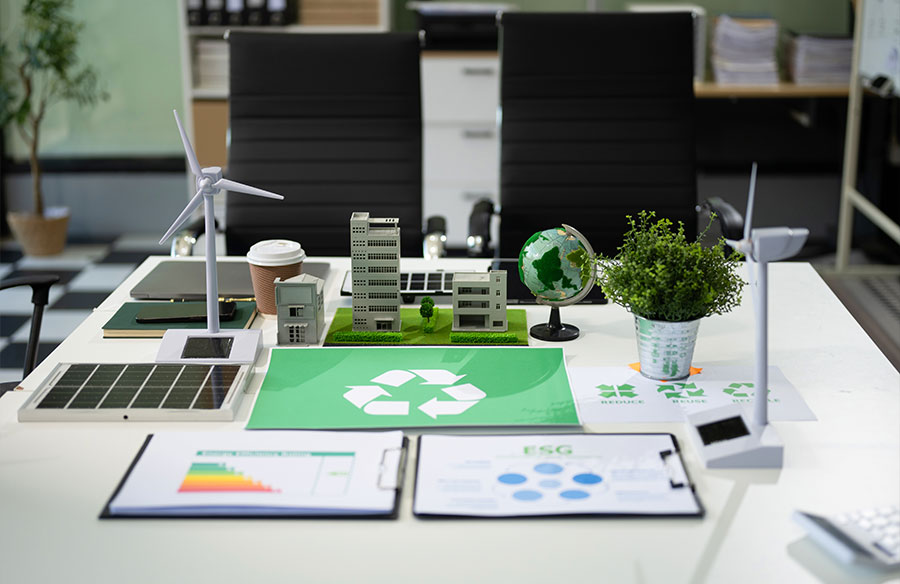
Sustainability and efficiency are now key priorities for modern worksites. As businesses strive to reduce their carbon footprint while maintaining productivity, the right equipment can make all the difference. From energy-efficient machinery to smart technology and electric transportation, adopting eco-friendly solutions can improve workflow, lower costs, and help protect the environment.
In this article, we’ll explore essential equipment that can enhance worksite productivity while promoting sustainability.
1. Energy-Efficient Machinery and Tools
Traditional worksite equipment often relies on fossil fuels, contributing to high emissions and operational costs. However, advancements in technology have introduced energy-efficient alternatives that offer both environmental and financial benefits.
- Electric and Hybrid Machinery: Many manufacturers now offer electric or hybrid construction equipment, such as excavators, forklifts, and loaders. These machines produce fewer emissions and require less maintenance than their diesel counterparts.
- Battery-Powered Tools: Cordless, battery-operated tools are more sustainable and reduce the need for gas-powered alternatives. They also improve mobility and reduce noise pollution on the worksite.
- LED Lighting Systems: Replacing traditional halogen or incandescent lights with LED alternatives can drastically cut energy consumption while providing better illumination.
By investing in energy-efficient equipment, businesses can lower fuel costs, improve efficiency, and contribute to a greener worksite.
2. Renewable Energy Solutions for Worksites
Relying on fossil fuels to power worksites is not only costly but also unsustainable in the long run. Renewable energy solutions offer a reliable and environmentally friendly alternative.
- Solar Power: Installing solar panels on job site trailers, offices, or even portable power stations can help generate clean energy. Solar-powered generators are also an excellent alternative to traditional diesel-powered models.
- Wind Energy: In open areas, small-scale wind turbines can provide supplemental power to worksite operations.
- Rechargeable Power Stations: Portable energy storage units allow workers to charge their tools and equipment without relying on fuel-based generators.
Switching to renewable energy solutions can significantly reduce a worksite’s carbon footprint while ensuring a steady power supply.
3. The Role of Electric Work Shuttles in Worksite Efficiency
Large worksites require efficient transportation to move workers and materials across different locations. Traditional gas-powered vehicles contribute to pollution and increased fuel expenses. This is where electric work shuttles provide an ideal solution.
- Reducing Emissions: Unlike gas or diesel-powered vehicles, electric shuttles produce zero emissions, making them an eco-friendly transportation option.
- Lower Fuel and Maintenance Costs: With fewer moving parts, electric shuttles require less maintenance and reduce overall fuel expenses.
- Improved Mobility and Safety: Worksite managers can enhance efficiency by using electric shuttles to transport workers safely and quickly across large job sites.
For businesses looking to streamline on-site transportation while supporting sustainability goals, investing in a passenger shuttle is a practical and cost-effective choice.
4. Sustainable Waste Management and Recycling Systems
Managing waste effectively is essential for maintaining a clean and environmentally responsible worksite. Without proper waste disposal and recycling systems, construction and industrial projects can generate excessive landfill waste, harming the environment.
- Waste Segregation and Recycling Bins: Clearly marked bins for different types of waste (plastics, metals, paper, and organic materials) help workers dispose of materials responsibly.
- On-Site Waste Compactors: These machines reduce the volume of waste, making disposal more efficient and reducing transportation costs.
- Biodegradable and Recyclable Materials: Using sustainable building materials that can be repurposed or decomposed naturally minimizes environmental impact.
Implementing a structured waste management system ensures compliance with environmental regulations while promoting a greener worksite.
5. Smart Technology and Automation for Eco-Friendly Operations
Integrating smart technology into worksite operations not only improves efficiency but also reduces environmental impact. Automation, real-time monitoring, and AI-driven analytics can help businesses track and optimize resource usage.
- Smart Sensors for Energy Monitoring: These devices help track energy consumption and identify areas where power can be saved.
- Automated Equipment and Machinery: Self-operating machines can optimize fuel efficiency and reduce waste by adjusting power usage according to demand.
- Cloud-Based Project Management: Digital solutions eliminate the need for excessive paperwork, improving efficiency while reducing waste.
By leveraging smart technology, businesses can create a more efficient, sustainable, and cost-effective worksite.
Conclusion
Creating a productive and eco-friendly worksite requires the right combination of technology, equipment, and sustainable practices. By incorporating energy-efficient machinery, renewable energy sources, electric transportation solutions, and smart technology, businesses can enhance productivity while reducing their environmental impact.
Investing in these eco-friendly solutions not only benefits the planet but also contributes to long-term cost savings and improved worksite operations. The shift toward sustainability is no longer an option—it’s a necessity for the future of the industry.