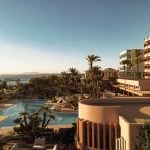
The historic, former main telegraph station on the Monbijoustraße in Berlin-Mitte is one of the most important architectural monuments of the past century. It first opened its doors in 1916 and was, at the time, the most complex postal building in Germany. It was equipped with state-of-the-art technology and served as a development center for German radio communications in the first half of the 20th century. Now, the Hotel Telegraphenamt has moved into the listed neo-baroque building.
Project Name: Hotel Telegraphenamt
Studio Name: Dreimeta GmbH & Co. KG
Location: Germany
Status: Built
Image Credits: Steve Herud
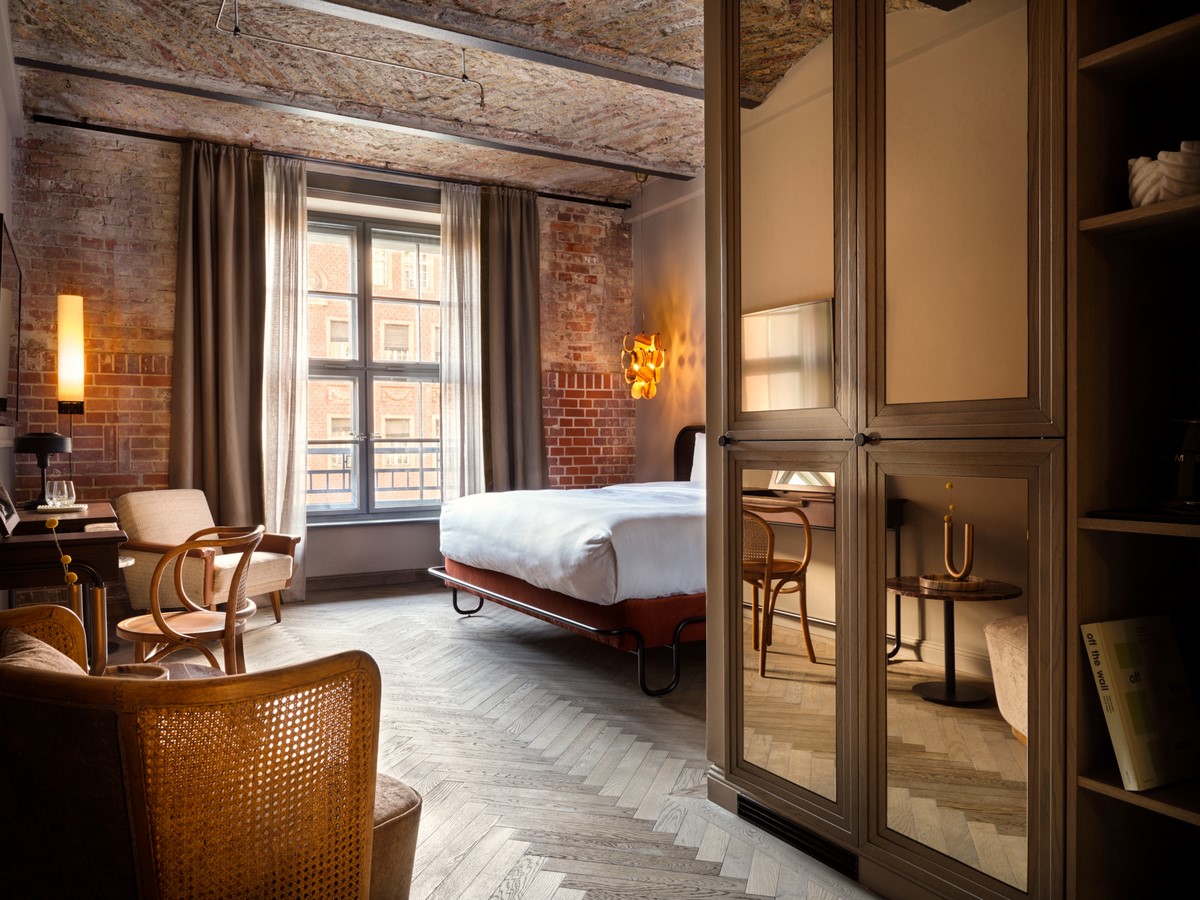
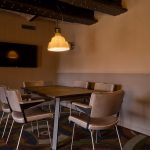
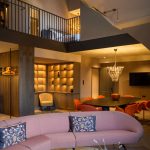
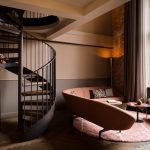
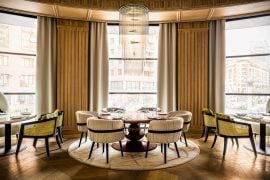
For the interior design of the hotel, Dreimeta reinterpreted design elements from the arts and crafts movement of the early 20th century. The result is a light-hearted, eclectic mix of stylistic elements that includes influences from Art Déco, Bauhaus and Art Nouveau. As such, the style of the interior design encompasses an entire era, connected by a basis of common design principles.
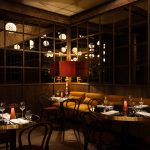
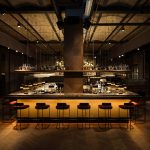
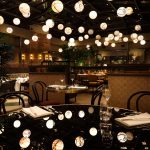
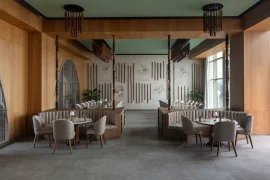
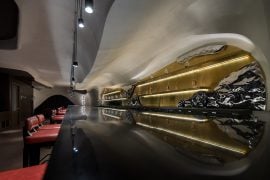
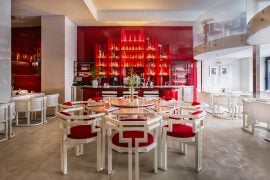
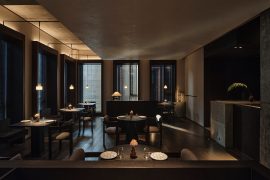
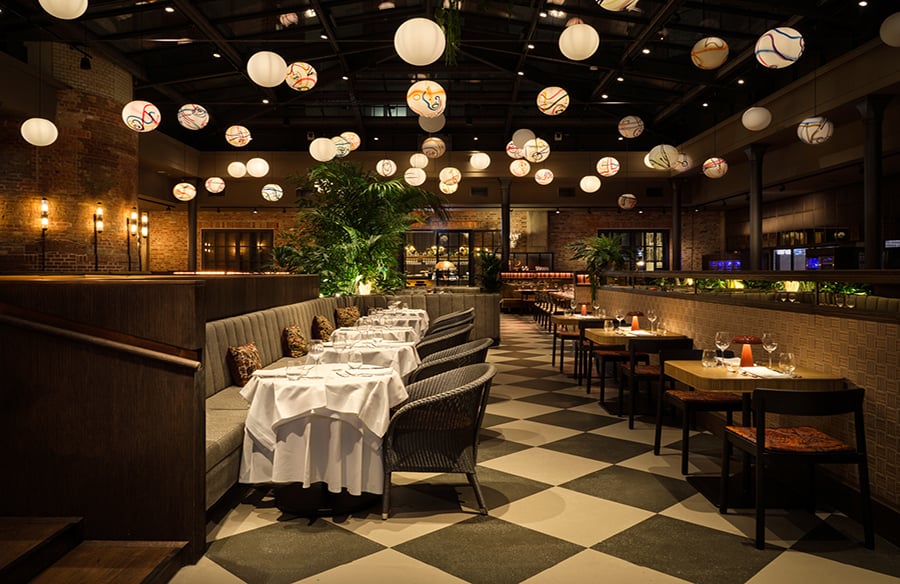
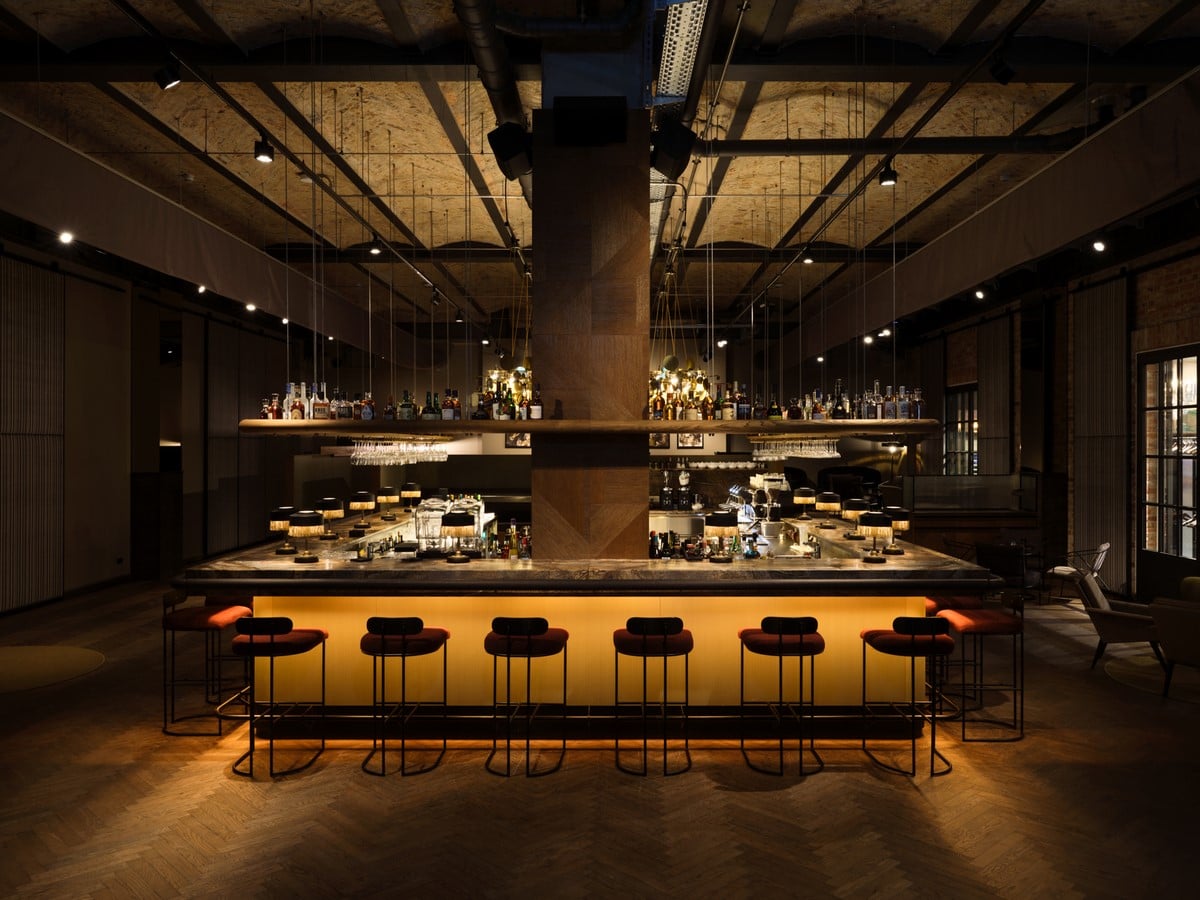
The hotel accommodates approx. 100 rooms and suites. The lobby and entrance hall features inviting lounge seating, a sushi bar, and intriguing glimpses of the visually striking bar and restaurant beyond. The restaurant, “Root”, is located in one of the two former courtyards and is characterized by an elaborate glass roof that spans the entire space. The design motif of an orangery is emphasized by lush plants scattered throughout the interior. A variety of seating areas spread out over multiple levels differentiate themselves through various types of flooring and furnishings, while still harmoniously flowing into the overall design scheme. Despite the enormous size and imposing height of the room, the design successfully creates a cozy network of unique areas within the space. Above the diners, custom-painted globe pendant lights create the illusion of a starry nightscape hovering below the glass canopy.
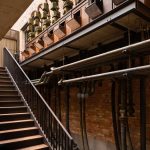
A unique feature in the public areas of the hotel is the integration of the meticulously renovated historical pneumatic tube system, a technical monument that was used in the GDR until 1977. In its heyday, it had a total length of almost 400km. Now, a selection of components from the system have been integrated throughout the hotel to pay homage to the buildings’ fascinating origins.
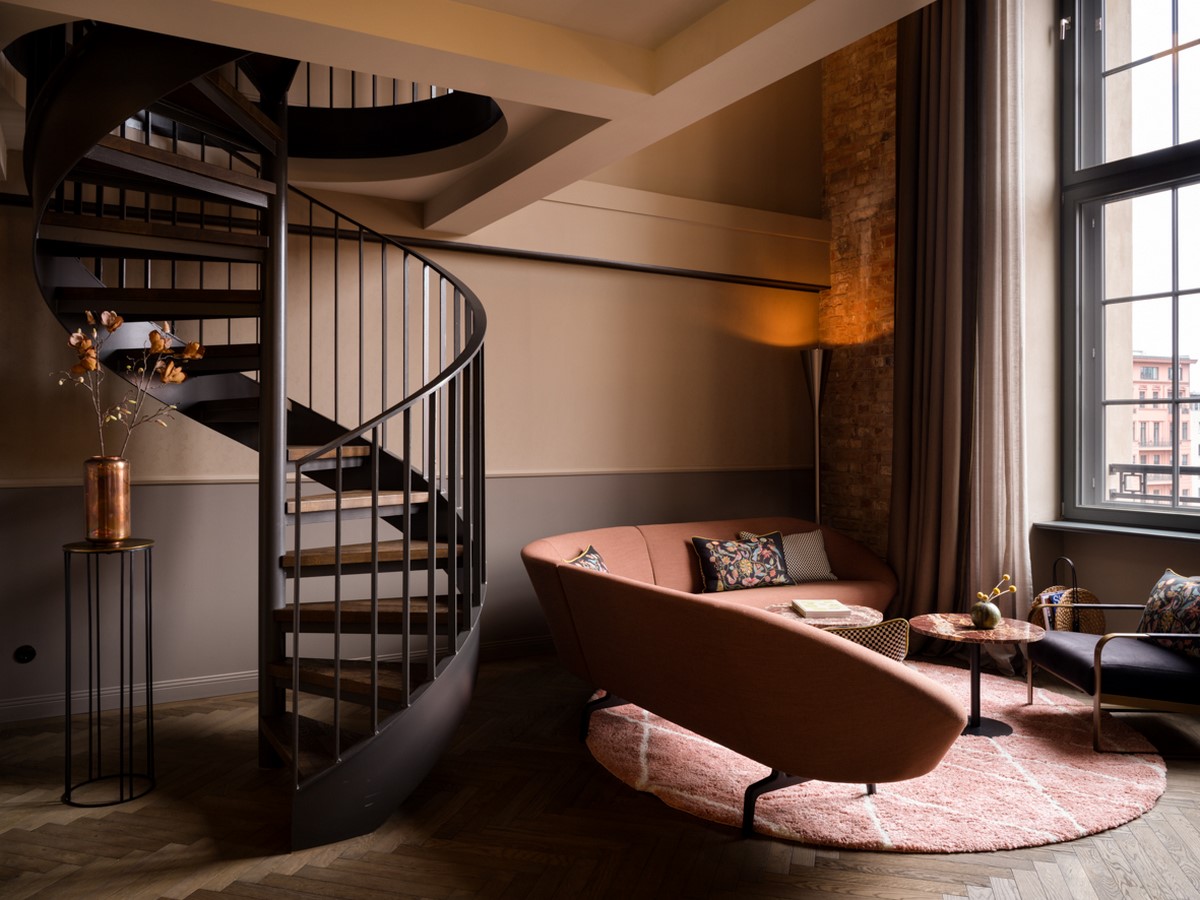
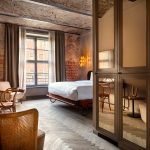
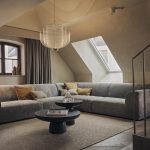
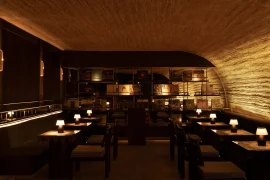
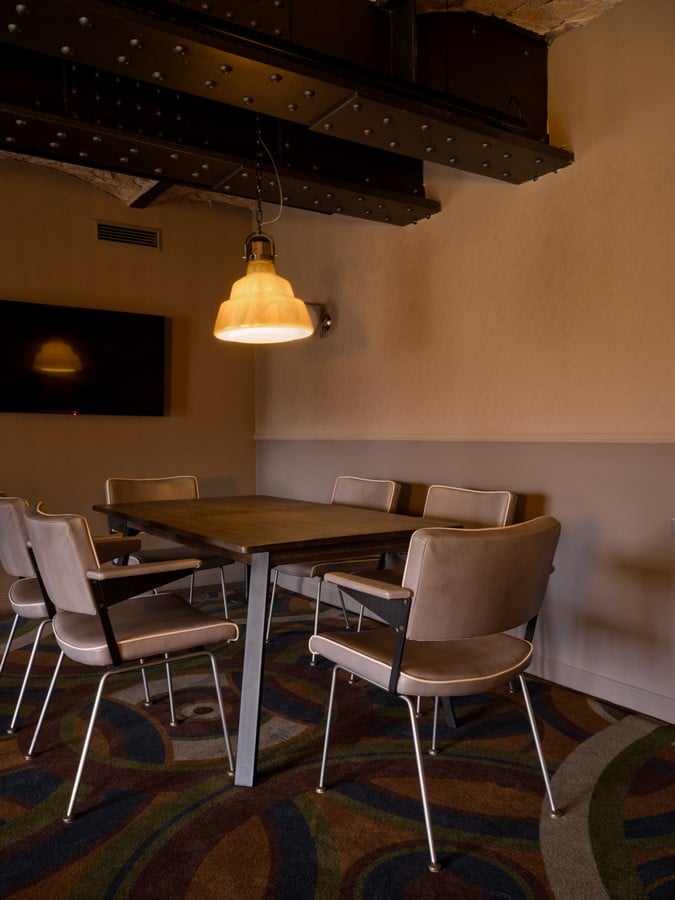
In the design of the hotel rooms, the goal was to have guests perceive the high quality of the materials and skilled craftsmanship through the use and feel of the space. As a result, superfluous decor such as boldly patterned wallpaper and striking fabrics was deliberately avoided. By choosing to expose the original brick walls and barrel-vaulted ceilings, Dreimeta merged the historic character of the building with the sophisticated new design of the rooms. Intricate and detailed design solutions for the bespoke furniture contribute to the understated style of the space.
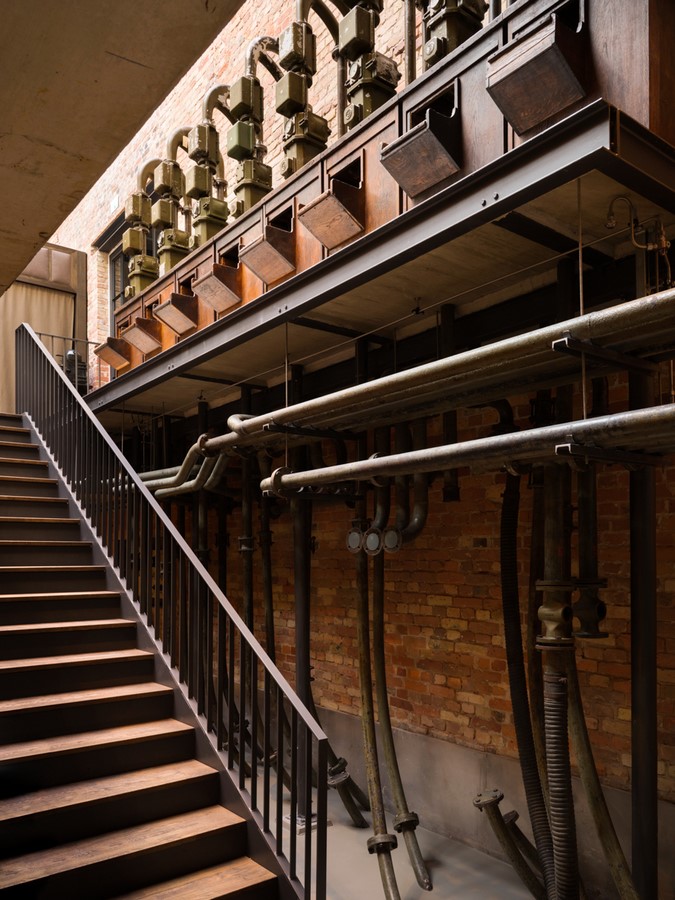
Artists from Paris, Lisbon, Porto, London and Japan provide contrasting perspectives within the hotel: they combine the historical with the contemporary. The art in the Telegraphenamt is an essential part of the overall concept.