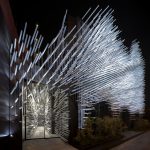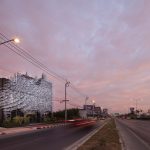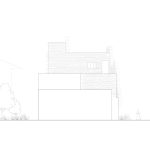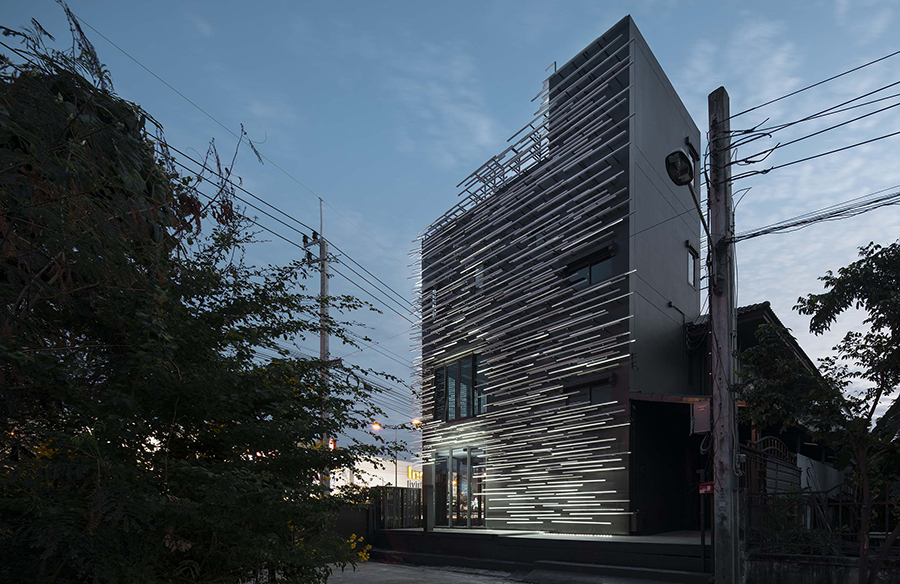
The Museum of Modern Aluminum Thailand (MoMA) is an innovative architectural masterpiece, born from a vision to breathe new life into the significance of aluminum in the country. Situated in Greater Bangkok, MoMA is a reflection of Thailand’s once dominant position as Southeast Asia’s largest aluminum producer.
Project Name: Museum Of Modern Aluminum Thailand
Studio Name: HAS design and research
Location: Thailand
Status: Built
Image Credits: W Workspace, Jenchieh Hung + Kulthida Songkittipakdee / HAS design and
research
research
At the close of the 20th century, the country’s aluminum profiles, which served both the local market and international exports, played a crucial role in its industrial landscape. However, the Asian Financial Crisis of 1997 profoundly impacted the industry, leading to the sale of aluminum products at low prices and the eventual emergence of aluminum signage, fences, and extensions that now characterize the cluttered streets of Bangkok.
research
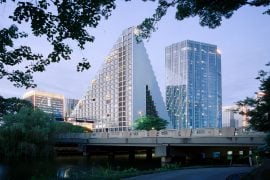
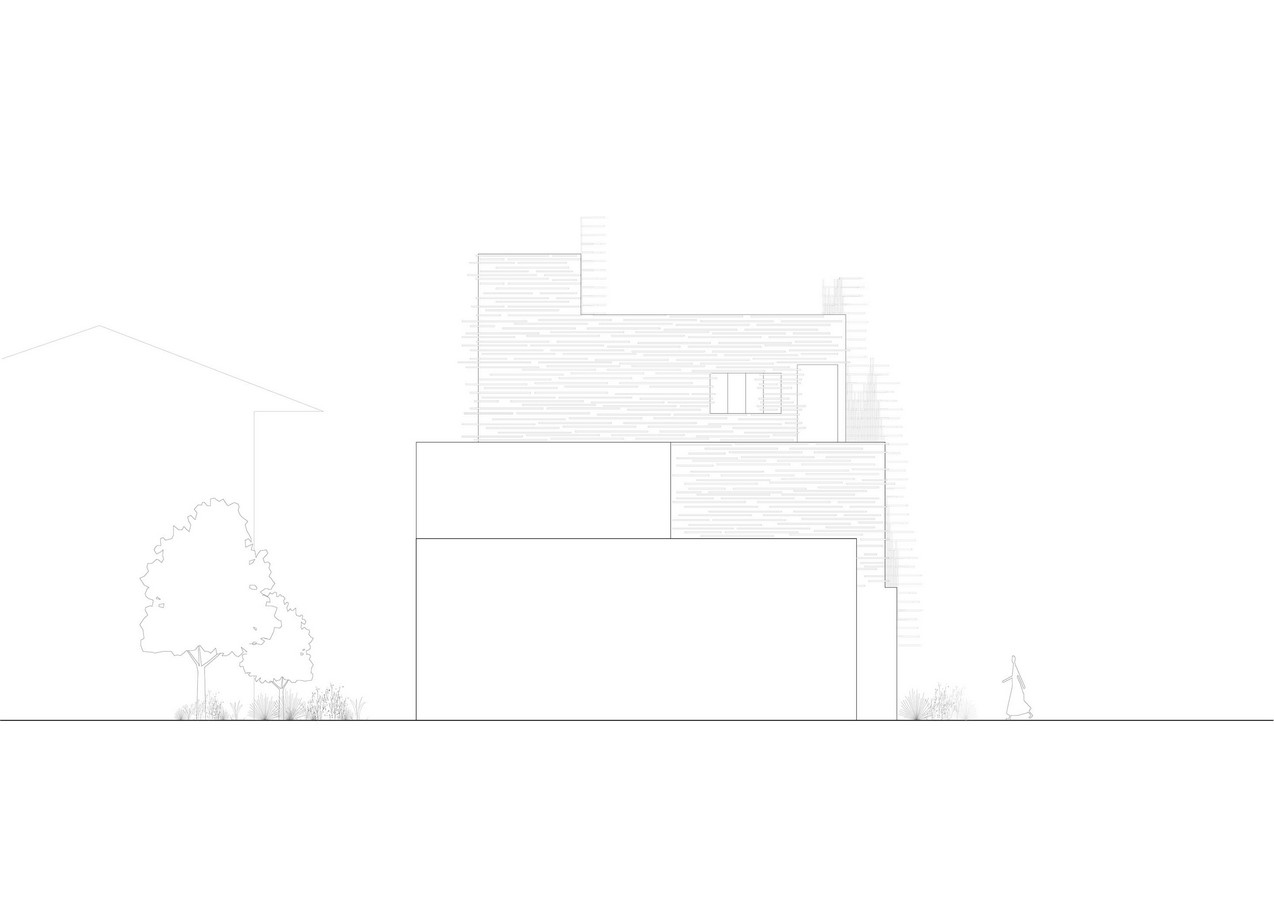
Against this backdrop of industrial transformation and urban evolution, MoMA was born. The museum is located at a busy traffic hub, linking major landmarks such as The Grand Palace, Wongwian Yai, Bangkok University, and Ko Kret—an island once home to vibrant fireflies, symbolizing serenity in the heart of a bustling city. Architects Jenchieh Hung and Kulthida Songkittipakdee of HAS Design and Research set out to create a space that was more than just a museum. Their goal was to provide a peaceful refuge for urban dwellers, blending nature with industry to offer an oasis within Bangkok’s concrete jungle.
research
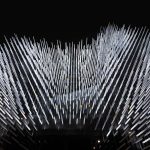
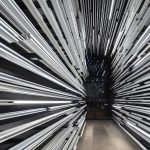
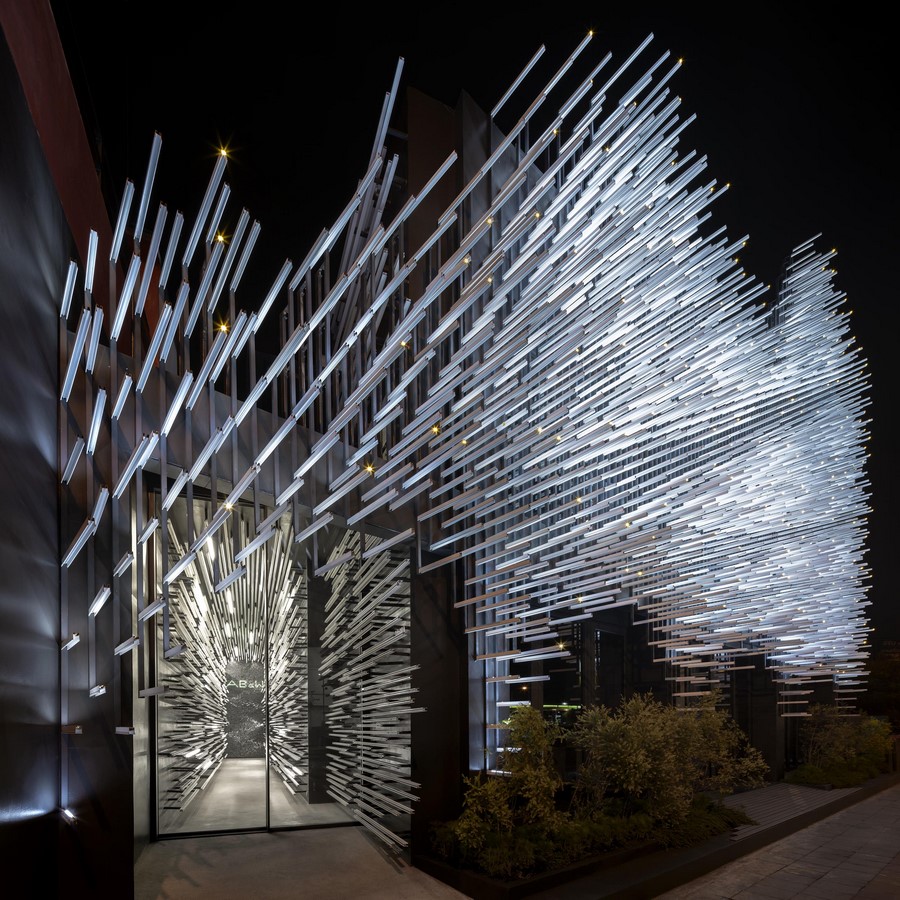
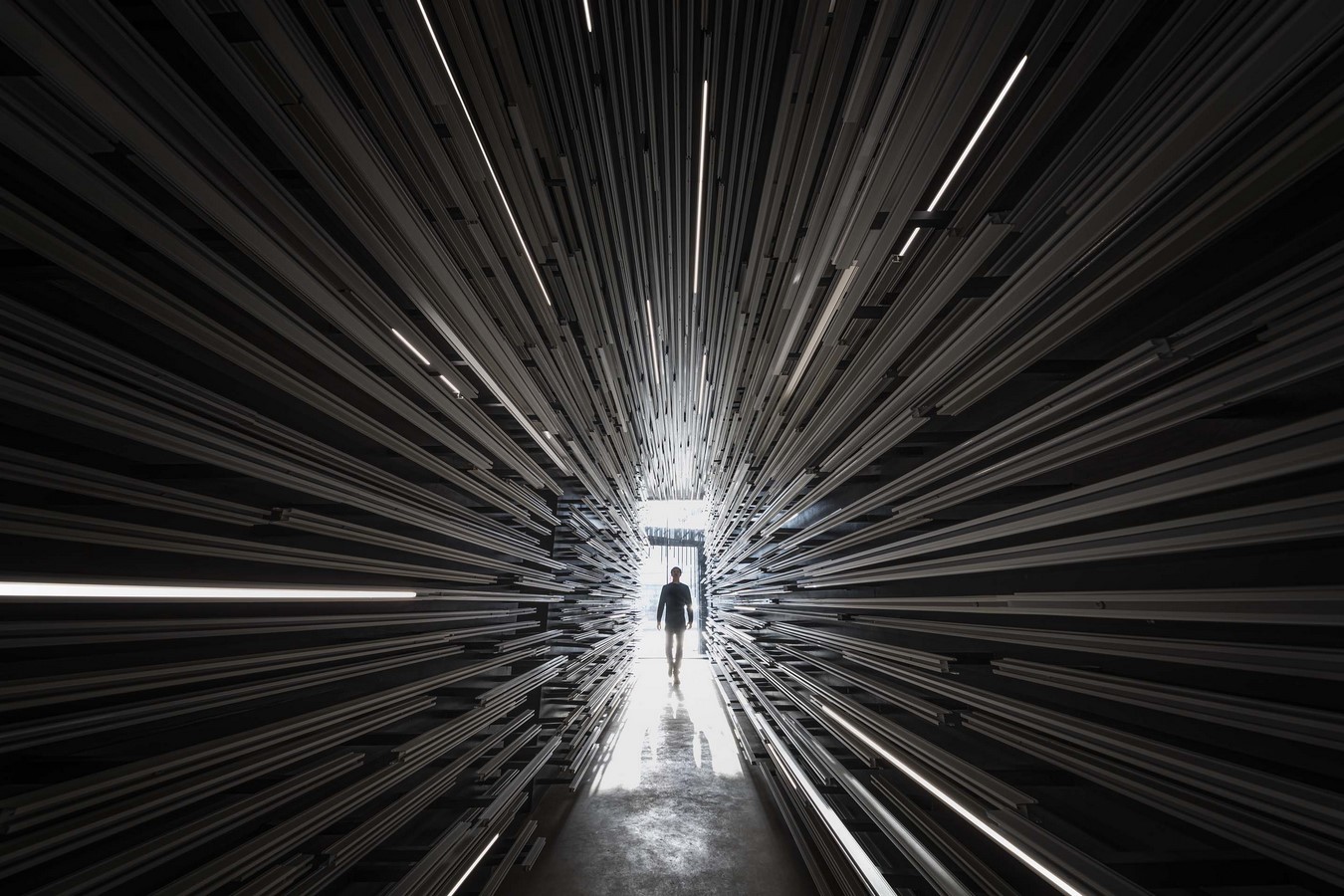
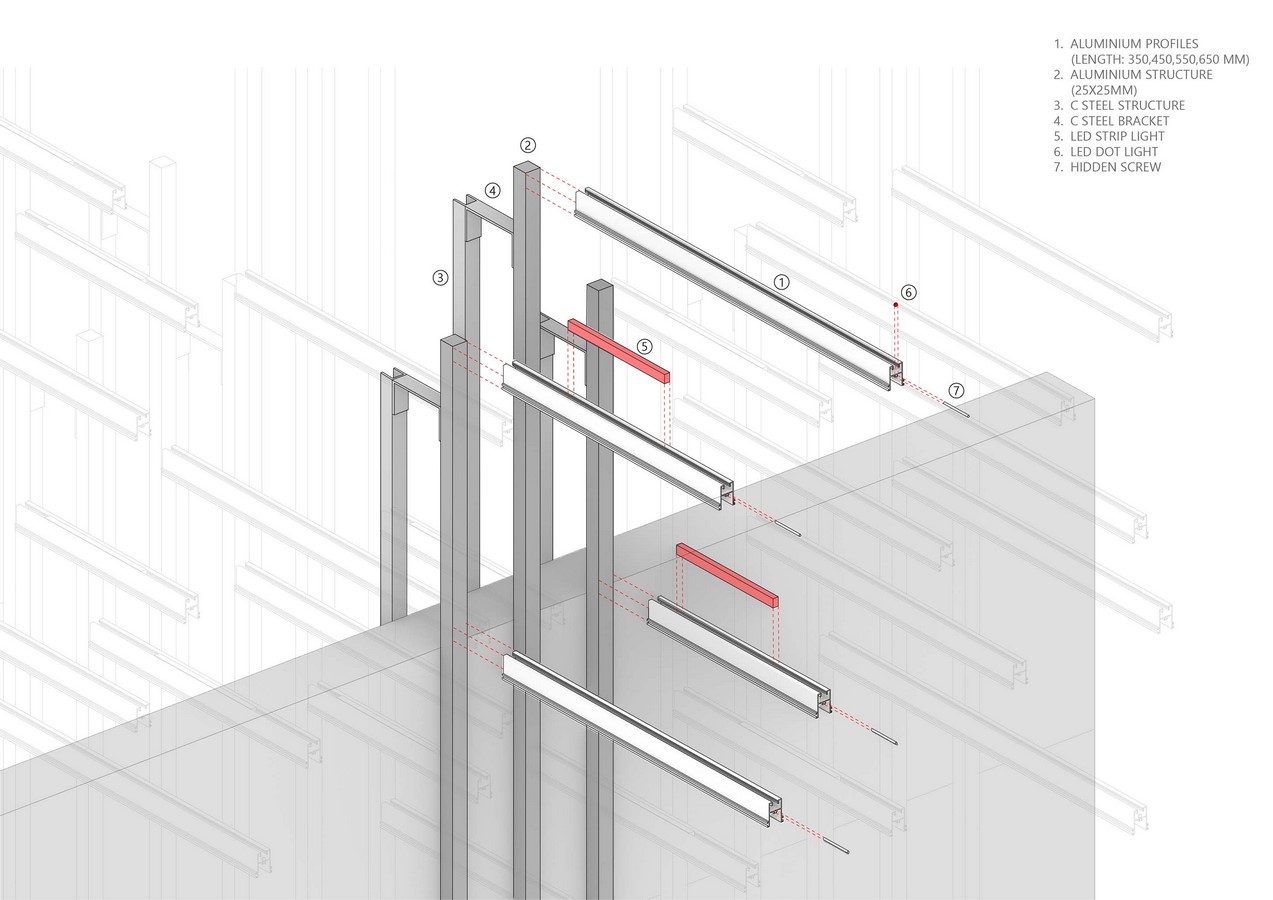
The architectural design of MoMA cleverly incorporates aluminum as both a functional and symbolic element. Hung and Songkittipakdee (HAS) design striking façade is covered with tens of thousands of aluminum strips, each with unique colors and textures, evoking the delicate feathers of a dandelion. During the day, these elements sway gently in the wind, softening the harshness of the busy road. At night, MoMA transforms into a glowing firefly, its aluminum strips illuminated by LED lighting to create a serene and peaceful atmosphere that contrasts sharply with the surrounding commercial chaos.
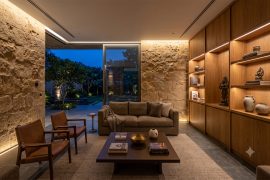
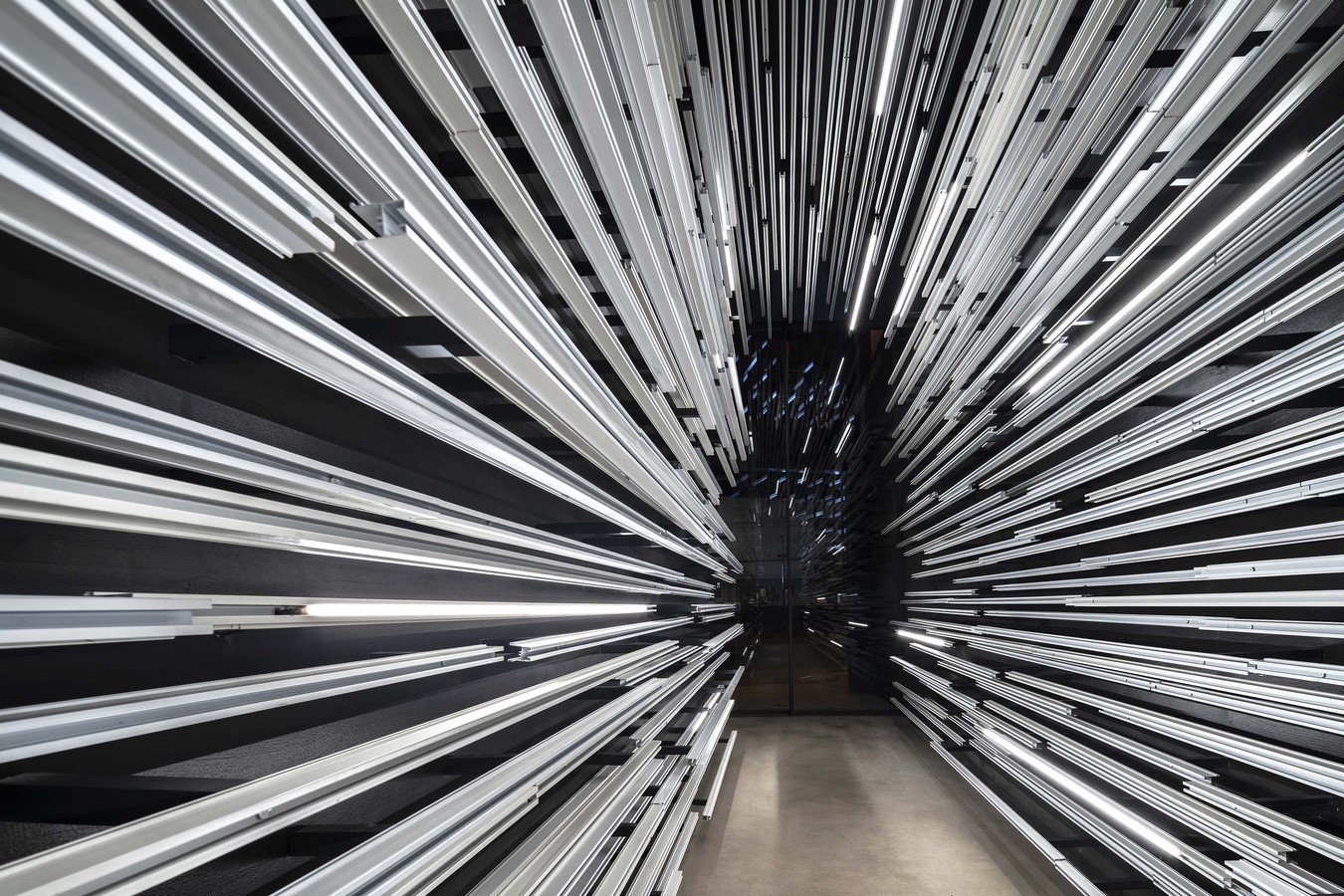
The use of aluminum extends beyond the façade and into every part of MoMA. The strips appear in the building’s interior, landscape, lighting, and even the furniture, creating a cohesive and harmonious experience. This thoughtful design not only highlights aluminum’s versatility but also ensures comfort within the space. The strategic arrangement of aluminum strips helps filter out external noise and control sunlight, guiding visitors into a tranquil exhibition space where the bustle of the outside world feels miles away.
research
research
One of the most striking features of MoMA is its top-floor landscape, designed to resemble a floating island. This enclosed garden, filled with seasonal plants, enhances the building’s visual appeal while also contributing to its ecological purpose. The rooftop garden becomes an urban sanctuary for fireflies, offering a refuge that reconnects Bangkok to its natural heritage and invites wildlife to flourish in the heart of the city.
research
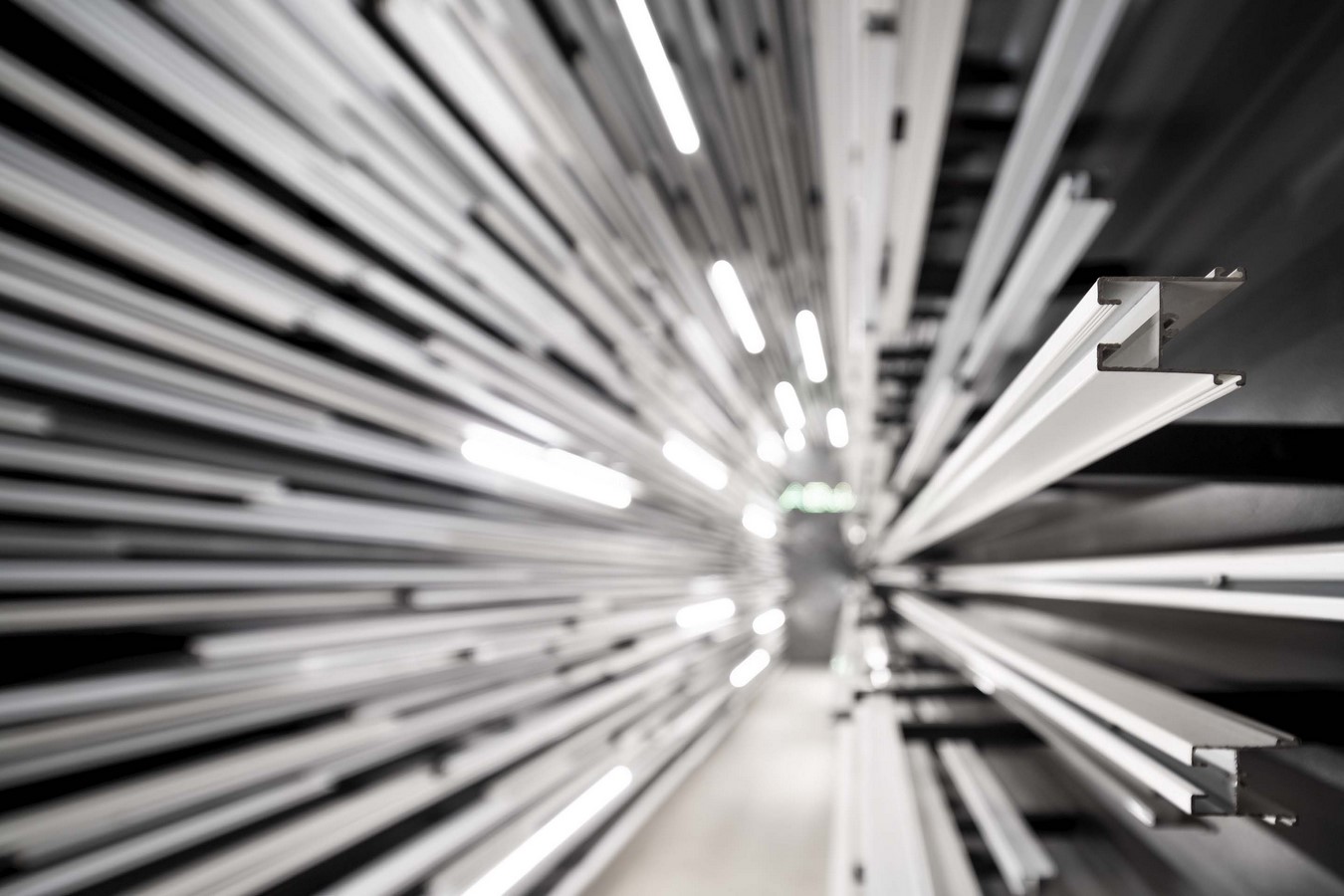
The design process of MoMA began with an exploration of the aluminum signboards that adorn the streets of Bangkok. Architects Jenchieh Hung and Kulthida Songkittipakdee sought to reimagine these everyday elements and transform them into a sophisticated architectural texture. Through their research into aluminum profiles, they discovered a new vernacular for architecture that bridges the industrial past with a vision for the future. MoMA is a tribute to Thailand’s industrial history while offering a peaceful, nature-inspired retreat that symbolizes the future of urban design.