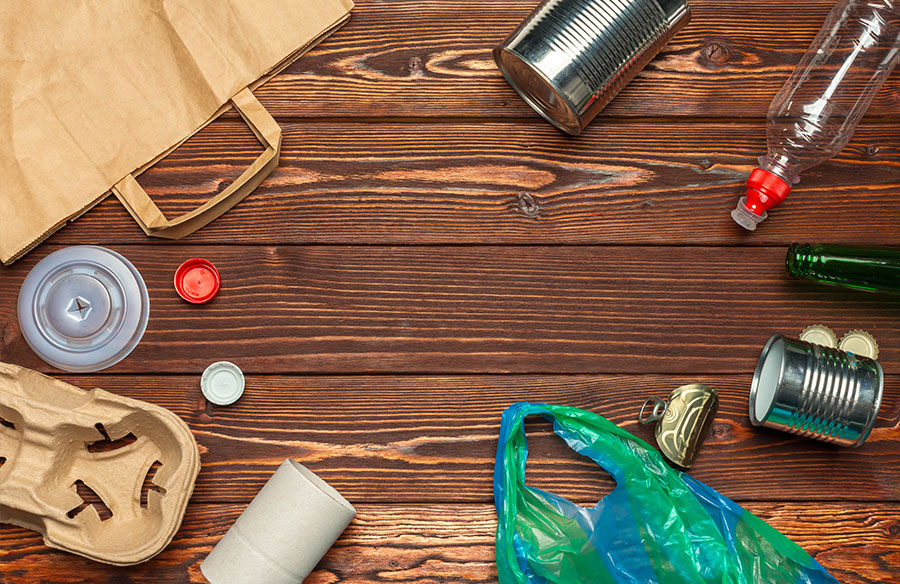
Household waste is a growing concern for many Australians, yet reducing it does not have to mean a complete lifestyle overhaul. With a few simple tweaks to your daily routines, you can significantly decrease the waste you generate without feeling like you’re making major sacrifices. This article explores practical, easy-to-implement strategies that fit seamlessly into your current habits while making a positive environmental impact.
One of the first steps is to assess your everyday routines and identify where waste is produced. By keeping a close eye on what you dispose of, you can pinpoint items that are unnecessary or excessively packaged. For instance, incorporating efficient storage options—such as durable 240-litre wheelie bins—can streamline your waste management process. This minor upgrade helps organise recyclables and general waste, making disposal more efficient without disrupting your normal routine.
Understanding the flow of waste in your home is essential for creating effective change. Start by tracking your weekly waste output to recognise recurring items that could be avoided or replaced with reusable alternatives. Whether it’s single-use packaging or disposable products, these small habits add up over time. With this insight, you can make targeted adjustments that reduce waste while allowing you to maintain your current lifestyle.
Assess Your Current Habits
Begin your journey to waste reduction by examining your daily routines and consumption patterns. Consider these simple strategies:
- Review Your Shopping Habits: Choose products with minimal or recyclable packaging. Buying in bulk or opting for items that offer refill options can drastically reduce the amount of waste produced.
- Monitor Food Waste: Plan meals ahead and practice portion control. Use leftovers creatively to avoid throwing away food that could be enjoyed later.
- Evaluate Daily Disposals: Keep a diary of what you throw away over a week. This helps you identify items that could be reduced or repurposed, ultimately cutting down on overall waste.
By reflecting on these habits, you can make informed decisions that lead to meaningful waste reduction without radically altering your lifestyle.
Optimise Waste Sorting
A key aspect of managing household waste efficiently is proper sorting. Set up designated areas within your home for different types of waste, such as recyclables, organic matter, and general refuse. This clear separation not only simplifies the disposal process but also ensures that each type of waste is handled in the most environmentally friendly manner possible.
- Create Dedicated Zones: Place clearly labelled bins in strategic locations like the kitchen, laundry area, and garage.
- Educate Your Household: Ensure everyone in your home understands the importance of proper sorting and knows where to dispose of each item.
- Keep Instructions Simple: Use intuitive labels and colour codes to make it easier for all family members to participate in the process.
Effective sorting transforms waste management into an effortless habit, ensuring that recyclables and compostables are correctly processed while minimising the amount sent to landfill.
Adopt a Mindful Approach to Consumption
Reducing household waste also starts with making mindful purchasing decisions. Before buying something new, ask yourself if it is necessary or if there is a reusable option available. Embracing a minimalist mindset not only helps reduce waste but can also lead to savings and a more organised home environment. Focus on quality over quantity by investing in products that are built to last, which will decrease the frequency of replacements and, in turn, the overall waste produced.
Additional tips include:
- Reuse and Repurpose: Find creative ways to give old items a new lease on life. Whether it’s transforming glass jars into storage containers or donating clothes you no longer wear, repurposing can significantly reduce waste.
- Plan for Longevity: Purchase durable goods that are designed to withstand regular use. This reduces the need for constant replacements and limits the cycle of consumption and waste.
- Support Sustainable Brands: Whenever possible, choose companies that prioritise eco-friendly practices and packaging.
By integrating these simple changes into your routine, you can enjoy a cleaner, more sustainable home without having to give up the comforts of your current lifestyle. Every small adjustment adds up over time, contributing to a significant reduction in household waste and a healthier environment for all.