The classical interpretation of Rome as a palimpsest of architectural layers—Baroque buildings atop Renaissance and medieval structures, themselves atop their Roman predecessors—includes a final layer of verticality: ceilings of painted trompe l’oeil arches, heavenly vaults and celestial chambers populated with ascendant saints, martyrs and putti.
Project Name: Hotel Romeo Roma restoration & renovation of Palazzo Capponi
Studio Name: Zaha Hadid Architects
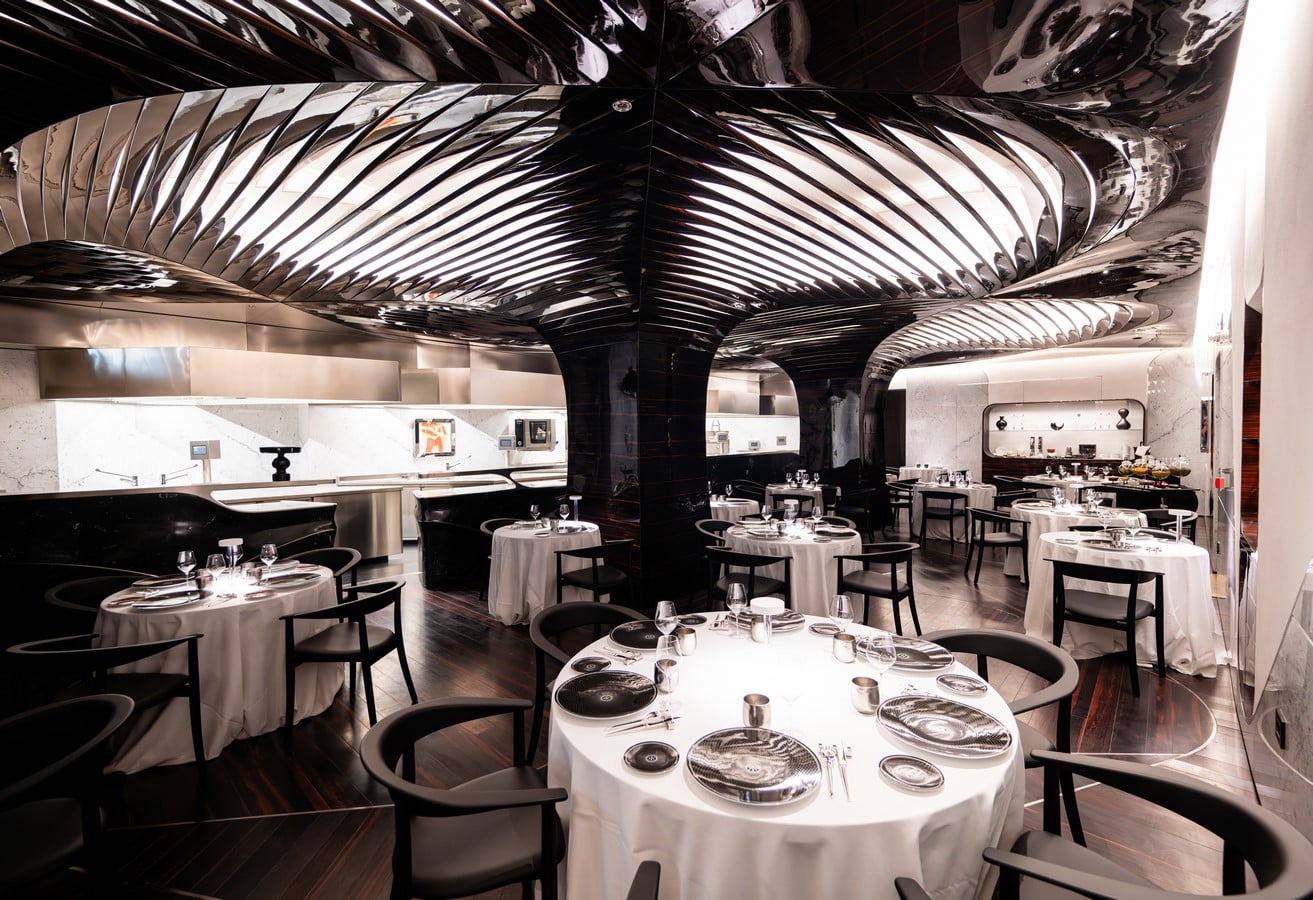
From the very beginning of her career, Zaha Hadid sited her buildings in the air, floating buildings on shadow, light, and seams of space that lifted volumes above the ground, relating her work to another tradition—Rome’s. Hadid, and the city’s architects of the Renaissance and Baroque that preceded her, aspired to the air, the skies, and the heavens.
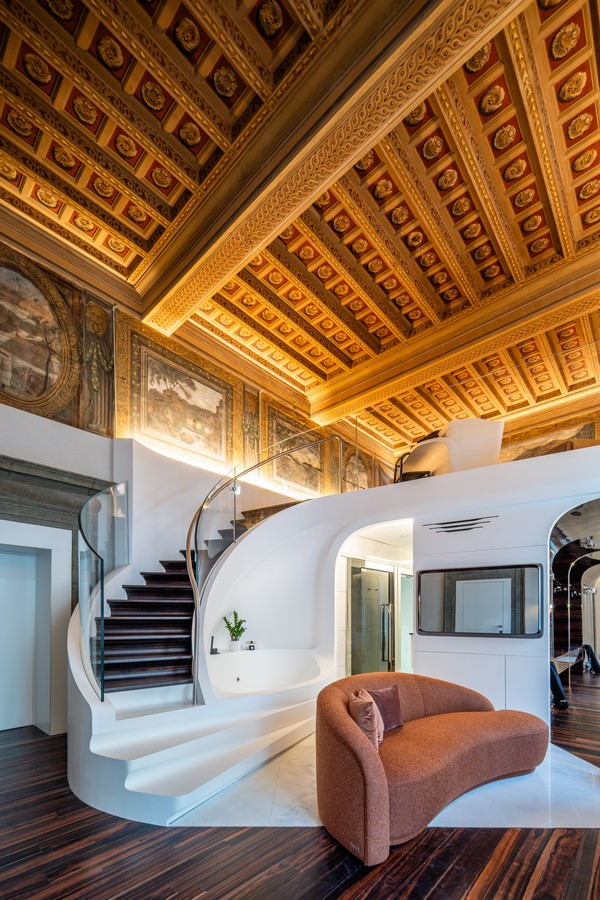
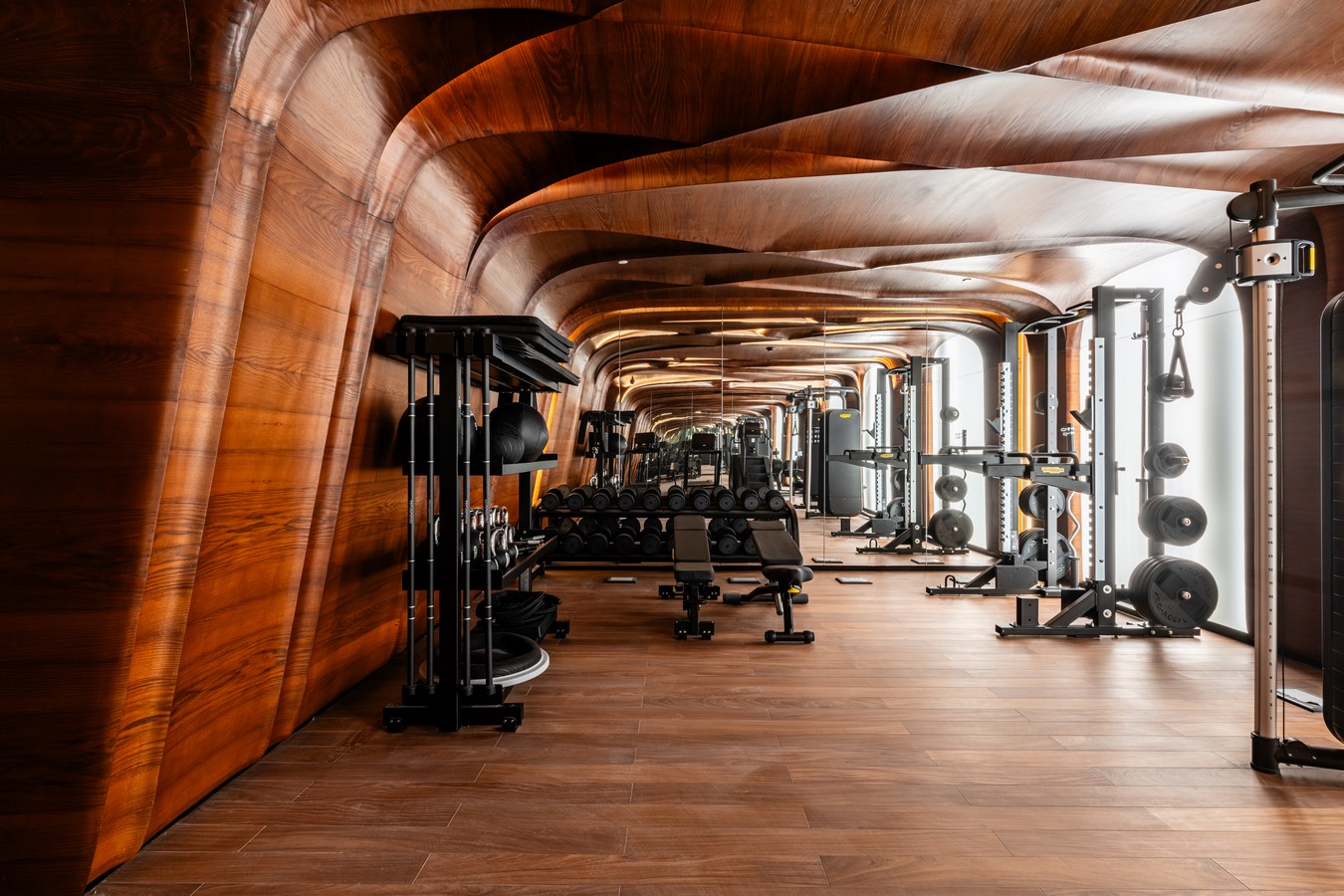
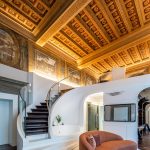
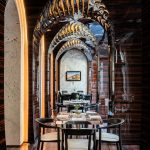
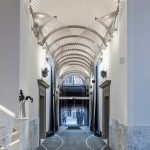
In designing the hotel conversion of the Palazzo Capponi, on the Via di Ripetta, a branch of the city’s Sistine Trident radiating from the Piazza del Popolo, Hadid and her team at Zaha Hadid Architects (ZHA) led by Paola Cattarin, started where Baroque architects ended their palimpsest—at the vaulted ceilings.
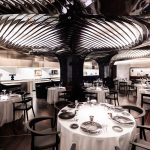
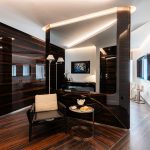
As Cattarin notes, Rome’s architectural history can be read in its masonry vaults, from the Roman, through the Renaissance and Baroque periods, into the 18th Century: “We took inspiration from this idea, to make a new interpretation of vaults and their intersections. All the different rooms, down to the furniture, are designed with this concept.”
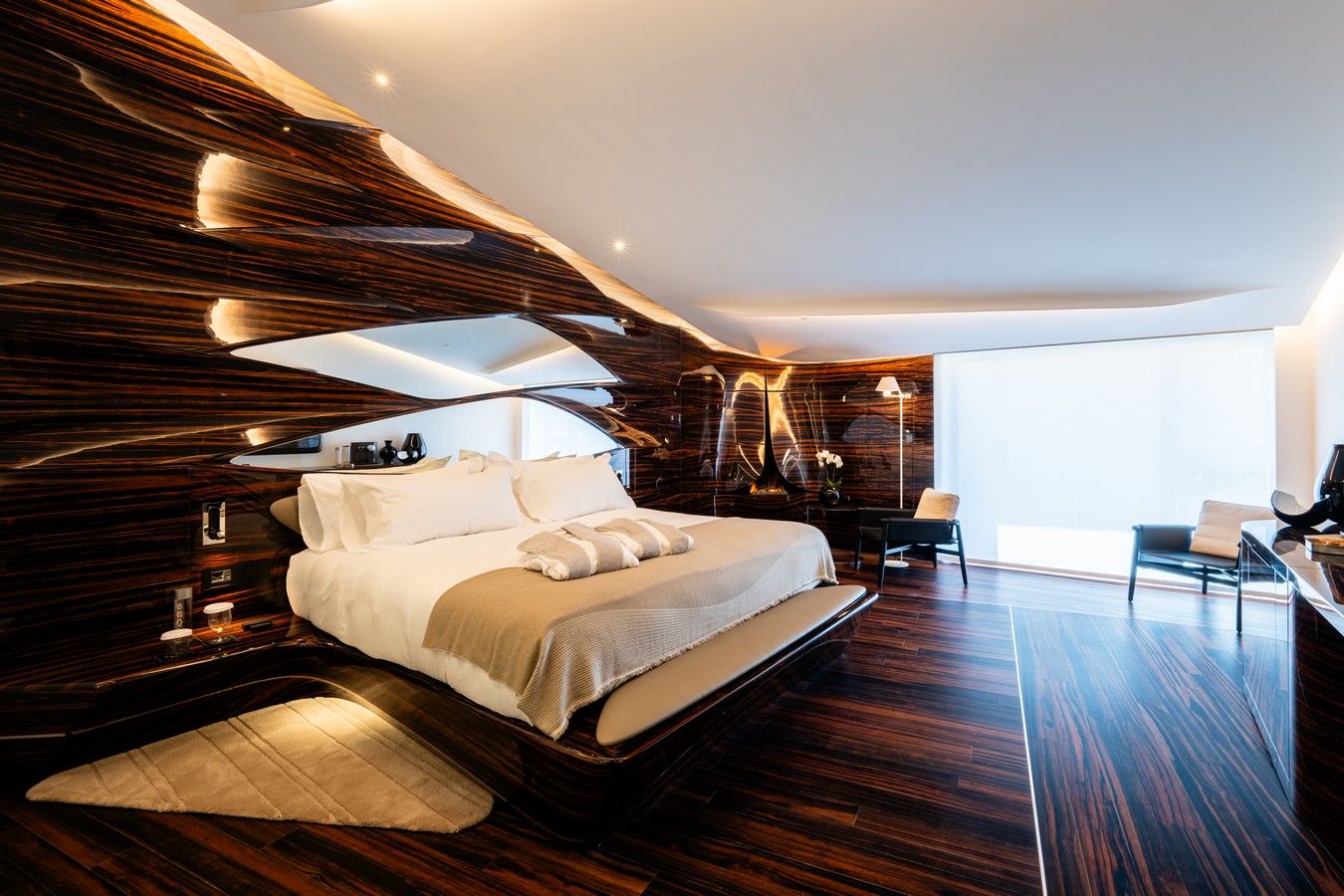
Searching for a property in Rome for a new hotel, Alfredo Romeo, founder of Romeo Hotels, came upon the historic Palazzo Capponi. “Rome is one of the most beautiful cities in the world,” he explains, “and Piazza del Popolo was the salotto of Rome in the 1950s and ’60s. Federico Fellini and Marcello Mastroianni regularly met at the Bar Rosati on Piazza del Popolo. It’s a mythical piazza, and by night especially, it has a magical appeal.”
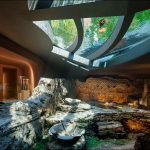
While the core of the building dates from the 16th century, it also includes components from completely different historical periods. Most recently, two wings were added by the INAIL administration in the 1950s. In the absence of laws, at the time, to protect historic architecture, INAIL remodelled much of the palazzo’s remaining interiors in its conversion to administrative offices, making significant changes to the palazzo and its art.
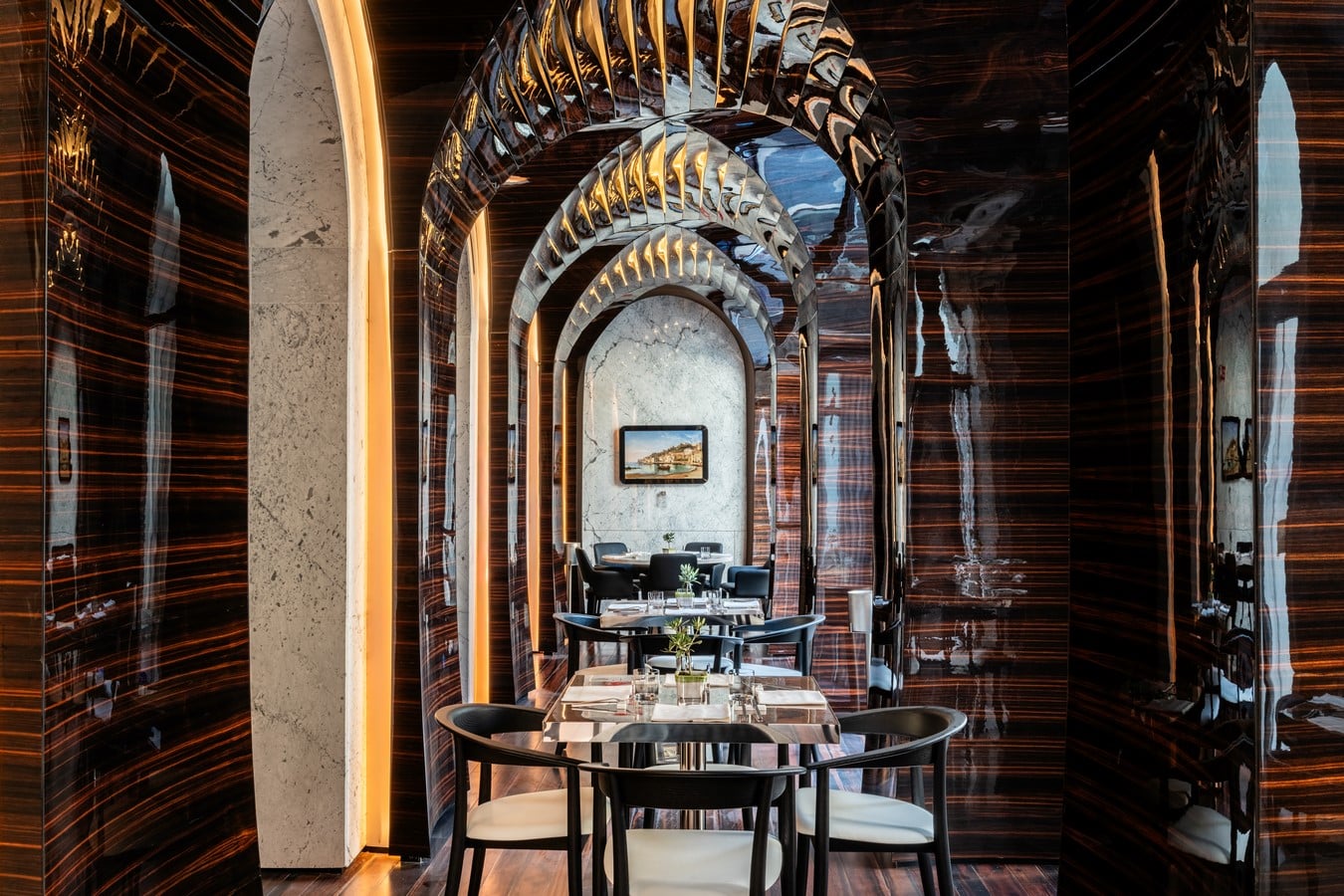
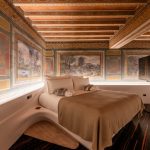
A series of Palazzo Capponi’s 17th century frescoes were also displaced. Intricately
painted on canvas, the works were removed from their original location, placed in wall
frames, and repainted—completely masking the original frescoes. Painstaking restoration
gradually uncovered and revealed these delicate works, and four centuries after their
creation, they can be admired once again by guests of the hotel.
With little of the original interiors remaining, Romeo continued the longstanding
tradition custodians and patrons of Italy’s grand buildings have followed over the
preceding five centuries—commissioning the pioneering architects and artists of their
time to create captivating novel interiors showcasing the expertise of skilled artisans and
craftsmen working in the finest materials.
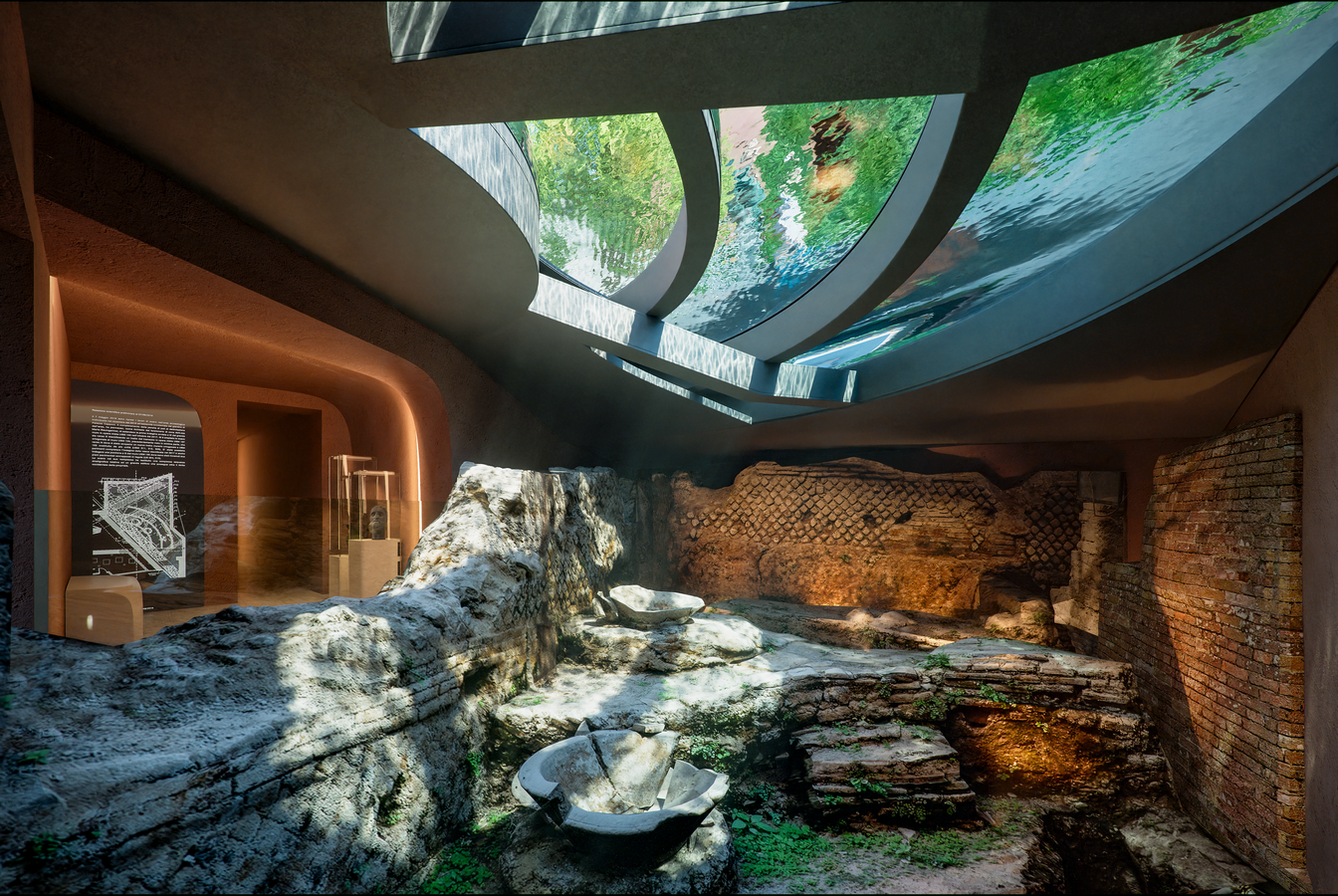
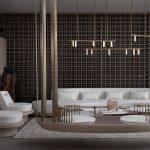
Romeo Design began collaborating with ZHA in 2015, selecting the architects’ free forms
and fluid lines to ensure an original design rather than the repetition and resemblance
evident in hotel interiors across the globe. “We are transforming a period building with
avant-garde designs by Zaha Hadid. It’s a remarkable dialogue between the
contemporary and historic architecture,” explains Romeo.