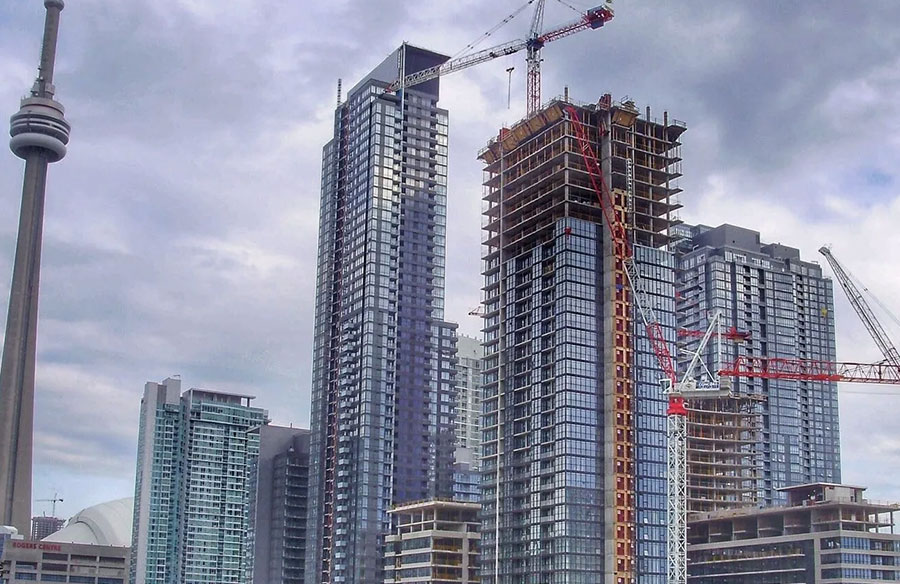
Toronto’s pre-construction condo market has become a major draw for many individuals seeking a modern living space or a strategic property asset. Buyers who secure units in early phases often benefit from first-choice floor plans, introductory price points, and a sense of anticipation as their new home or investment takes shape. The online world offers numerous channels that simplify research and comparison, making it simpler to spot top-notch units and reputable builders.
Owncondo
A crucial platform for anyone scanning the city for upcoming developments is Owncondo. This service presents the biggest selection of condos, where users can browse projects and check up-to-date prices. It’s not limited to listings alone; helpful and friendly sales representatives are ready to guide prospective purchasers. To see the options on offer, check out these new condominiums in Toronto.
Advantages of Using Owncondo
- Wide Range of Choices: Explore an extensive list of pre-construction condos in different price brackets and neighborhoods.
- Knowledgeable Agents: Reach out to approachable sales professionals for guidance, builder background information, and special promotions.
- Real-Time Pricing: View current figures to align personal budgets with available opportunities.
Typical Pre-Construction Fees and Costs
| Expense Type | Approximate Range | Notes |
| Development Charges | $5,000 – $30,000 | Varies based on project location and size. Some developers offer caps on these charges. |
| Occupancy Fees | $1,000 – $3,000 per month | Paid while the building is finishing construction (before final registration). |
| Closing Costs | $2,000 – $5,000 (excluding taxes) | Includes legal fees and land transfer tax (extra fees may apply for non-residents or first-time buyers). |
| Deposit Structure | 15% – 25% of purchase price | Typically split over multiple installments (e.g., 5% at signing, 5% in 90 days, etc.). |
This table provides a rough idea of expenses that may arise for a pre-construction condo. Always confirm the details with your chosen builder and legal advisor.
Official Real Estate Boards and Government Sites
Websites run by established authorities offer credible statistics and trustworthy insights about the property sector in Toronto. The Toronto Regional Real Estate Board (TRREB) publishes market reports, neighborhood price averages, and other useful data to help buyers compare different parts of the city. Buyers can also visit the Canada Mortgage and Housing Corporation (CMHC) or the City of Toronto portal for regulations, zoning details, and financial support programs.
These resources are especially handy for those seeking accurate figures on price trends, mortgage rules, and neighborhood services. They help verify facts provided by private sources, ensuring a balanced picture when analyzing condo projects.
Developer and Builder Websites
Consulting the official pages of developers is another essential step. These websites often include:
- Floor Plans: Detailed unit layouts with square footage.
- Pricing and Incentives: Early-bird discounts, special packages on parking or storage, and promotional deals.
- Builder Track Records: Information on past projects, construction quality, and timeframes.
A great way to measure builder’s reputation is by reading independent reviews and checking whether they are backed by a warranty program, such as Tarion Warranty Corporation, which offers protection against construction defects.
Real Estate Market Analysis Tools
Beyond straightforward listings, certain analytical websites compare historical sale prices and rental yields across neighborhoods. For instance, platforms similar to HouseSigma reveal how values have changed, helping buyers get a sense of possible outcomes down the line. You can also see details about walkability, school rankings, and public transit access, giving context to how a new property might fit personal preferences or future resale plans.
Popular Online Tools and Features
| Tool/Platform | Primary Use | Distinct Features |
| HouseSigma | Historical sales data, price trends | Charts property value fluctuations, includes a user-friendly app |
| City of Toronto | Regulations, zoning, public services | Official bylaws, permit applications, and community updates |
| Facebook Groups | Peer input, success stories, and FAQs | Real-time advice from local buyers and sellers |
| Owncondo | Largest pre-construction listings, agents | Comprehensive condo search, direct contact with sales representatives |
Online Mortgage Calculators and Financial Tools
Budget planning can be less stressful with calculators that estimate monthly payments and potential interest costs. Many lenders in Canada host interactive modules on their sites, allowing users to:
- Test Different Down Payments: Adjust the deposit to see how it changes monthly outlays.
- Compare Mortgage Rates: Check if fixed or variable terms are suitable for individual preferences.
- Project Long-Term Costs: Factor in potential rate increases before building completion.
Pre-construction buyers should also account for miscellaneous expenditures — development fees, legal expenses, and more — on top of their mortgage.
Social Media and Online Communities
Digital platforms have created spaces where pre-construction buyers can exchange valuable information and experiences. Facebook groups, Reddit threads, and other forums let members ask questions, share real-life stories, and sometimes post insider tips about specific projects or developers. YouTube channels and podcasts from real estate experts cover condo market updates, property tours, and suggested strategies for different types of investors.
When using these outlets, it’s wise to cross-reference what you read or watch with factual data from official boards or direct builder sites. Community opinions can help, but verified sources provide stronger evidence about a project’s validity.
Legal and Professional Services Directories
Whenever contracts or deposits are on the table, it’s essential to connect with experienced specialists:
- Real Estate Lawyers: Review agreements, clarify contract terms, and address legal questions before and during closing.
- Home Inspectors and Appraisers: Although pre-construction units are brand new, an inspection or appraisal before finalizing a deal can prevent unpleasant surprises.
Many of these professionals can be found online through recognized directories or by referral. Checking reviews and verifying credentials ensures that your chosen advisor is dependable.
Final Remarks
The internet offers a wealth of tools for individuals looking at new builds in Toronto. By combining insights from Owncondo, official real estate boards, government portals, and peer-driven communities, buyers can compare project details, financial options, and builder track records. This balanced approach leads to greater peace of mind when selecting a pre-construction condo in one of Canada’s most sought-after cities.