

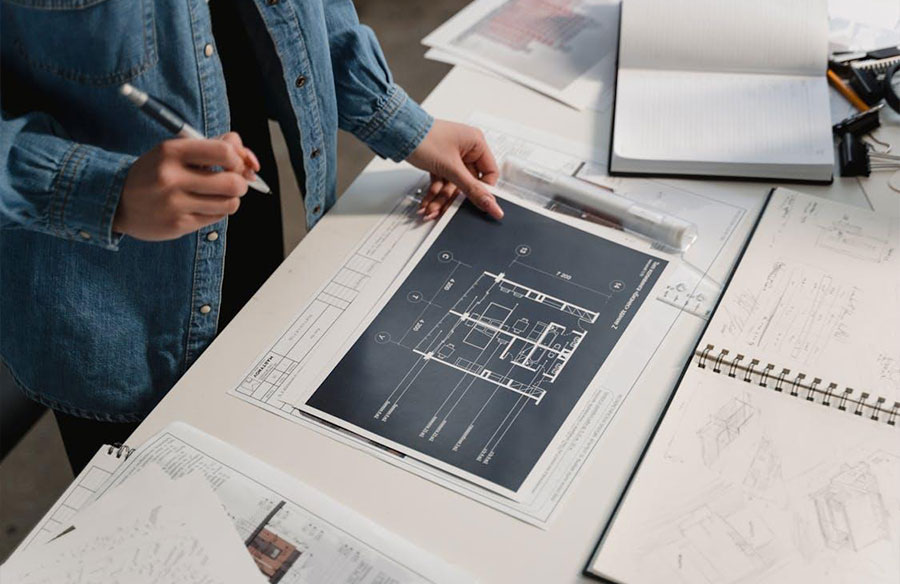
Sustainability and generosity might not seem like an obvious match. But in architecture, these ideas are building something new.
More architects today are leaning into gift economies. They’re exploring systems that exchange goods, skills, or time without money changing hands. Here are just a few inspiring ways professionals can blend sustainability with giving to reshape their field.
Sharing Recycled Materials Across Projects
Architects are finding innovative ways to reuse materials, reducing waste and costs while promoting sustainability. Sharing leftover or salvaged supplies with others in the field means they can ensure nothing goes to waste.
It works by:
- Partnering with local contractors who donate excess construction materials
- Creating online platforms where architects can trade or request supplies
- Establishing physical drop-off centers for surplus items like wood, steel, or bricks
One example is the Material Bank initiative. It connects projects needing specific resources with those disposing of them, making collaboration seamless.
These practices save money for everyone involved and can lower environmental impact significantly. For small-scale projects especially, shared materials help cut budgets without compromising design quality.
Utilizing Gift Card Platforms for Project Financing and Resources
Architects are turning to creative financial tools to fund projects sustainably. Gift card platforms provide a flexible, collaborative way to gather resources without traditional monetary exchanges.
Some practical applications include:
- Using Visa gift cards to purchase carbon credits or renewable energy certifications
- Crowdsourcing funds through community-contributed gift cards for material purchases
- Encouraging team members or clients to contribute by gifting specific resource-focused cards
This approach simplifies budgeting and allows contributors transparency on how their gifts are utilized. It also makes it easier for architects working with limited funding sources, especially in community-driven projects. These platforms transform small contributions into impactful actions, ensuring progress stays sustainable from start to finish.
Community-Led Construction Through Skill Swapping
Architects are tapping into local communities to exchange skills, creating structures that reflect shared values and resources. This approach emphasizes collaboration over traditional monetary transactions.
Examples of skill swapping include:
- Offering architectural design services in exchange for carpentry or masonry work
- Hosting workshops where participants contribute labor while learning construction techniques
- Collaborating with artisans who trade their craftsmanship for support on other projects
This model builds trust and strengthens connections between architects and the people they serve. For instance, small towns using this method often achieve cost-effective renovations while empowering residents to take ownership of the space.
Designing Public Spaces as Collaborative Gifts
Architects are embracing public spaces as opportunities to give back, creating environments that benefit communities without expecting financial returns. These collaborative projects rely on shared input and resources.
Architects achieve this by:
- Partnering with local organizations to identify community needs for parks or plazas
- Hosting design charrettes where residents contribute ideas for space usage
- Utilizing donated materials or labor from volunteers to complete construction
One successful example is the creation of pocket parks in urban areas. Architects transform unused lots into small green spaces with seating and gardens, offering free access to everyone.
This gifting approach prioritizes inclusivity while improving public well-being. Engaging directly with communities lets these projects provide lasting value beyond aesthetics alone.
Circular Economy Approaches in Building Supplies
Architects are adopting circular economy principles to extend the life cycle of materials. This reduces waste and maximizes resource efficiency by keeping materials in use for as long as possible.
Some strategies include:
- Sourcing deconstructed components like reclaimed wood or steel from old buildings
- Designing modular structures where parts can be easily disassembled and reused later
- Partnering with manufacturers offering buy-back programs for unused or outdated supplies
An example is Rotterdam’s Superuse Studios, which uses salvaged items to create innovative, sustainable designs. Their projects show how upcycling can deliver high-quality results without exhausting new resources.
Embracing this approach lets architects lower their carbon footprint and inspire others to think differently about material consumption. It’s a practical way to design sustainably while contributing positively to the environment.
Final Thoughts
Architects who leverage sustainable gift economies prove that creativity and collaboration can transform design. These practices foster resource-sharing, empower communities, and prioritize the environment. Embracing these ideas means architects are shaping a future where generosity builds structures, lasting connections, and meaningful change in their workspaces.







