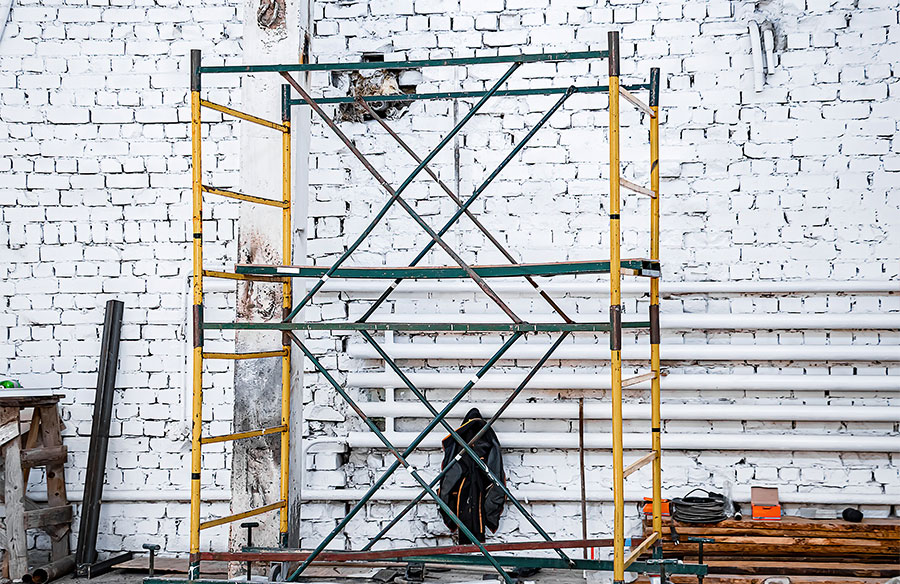
Think you are halfway through a major construction project when a scaffolding component gives out. The team is forced to stop, safety risks rise, and timelines are thrown out the window. Sounds like a nightmare, right?
Proper scaffolding maintenance and storage can prevent situations like this, ensuring your projects stay on track and your workers stay safe. In this guide, we’ll dive into the essential tips and tricks to keep your scaffolding equipment in top-notch condition—saving you money, time, and headaches in the long run.
Why Maintenance and Storage Matter
Scaffolding equipment is the backbone of many construction and industrial projects. Yet, it’s often taken for granted until something goes wrong. So why should you care about maintaining and storing your scaffolding properly? Here’s the bottom line:
- Safety First: Damaged or poorly maintained scaffolding is a leading cause of workplace injuries. Routine upkeep ensures every component is safe and ready to use.
- Cost-Effective: Neglect leads to frequent repairs or replacements, driving up expenses over time. Proper care can significantly extend your equipment’s lifespan.
- Improved Efficiency: Well-maintained and properly stored scaffolding is easier to set up and take down, reducing project delays.
With these benefits in mind, let’s break down actionable steps to maintain and store your scaffolding equipment.
10 Tips for Maintaining Scaffolding Equipment
- Start with Routine Inspections
Before and after each use, inspect your scaffolding equipment thoroughly. Look for visible signs of damage such as cracks, bends, loose fittings, or corrosion. Make it a habit to pay close attention to joints, locking mechanisms, and weight-bearing parts. - Clean It Up
Dirt, concrete, paint, and other debris can cling to scaffolding components, causing long-term damage if not removed. Use a stiff brush and a mild detergent to clean the equipment after every use. For metal scaffolding, dry it completely to prevent rust and corrosion. - Keep Rust at Bay
Rust is the ultimate enemy of metal scaffolding. Apply rust inhibitors or protective coatings, especially if your scaffolding is frequently exposed to rain, humidity, or other harsh environmental conditions. If possible, opt for galvanized scaffolding, which is naturally more resistant to corrosion. - Repair Damage Without Delay
Even minor issues like bent braces or worn-out locking pins can compromise the entire structure. Never cut corners on safety. Replace damaged components immediately to ensure your scaffolding system remains safe and functional. - Lubricate Moving Parts
Smooth operation is key to efficient scaffolding use. Apply high-quality lubricants to moving parts like castor wheels, locking mechanisms, and adjustable joints. This not only enhances performance but also prevents wear and tear over time. - Follow the Manufacturer’s Instructions
No two scaffolding systems are exactly the same. Consult the manufacturer’s guidelines for specific maintenance requirements, weight limits, and usage instructions. Following these recommendations can help you avoid common mistakes. - Educate Your Team
Even the best equipment is only as safe as the people using it. Make sure your team is trained to handle scaffolding properly. This includes proper assembly, safe usage, and identifying signs of damage. - Conduct Load Testing
Periodically test your scaffolding to ensure it can handle the required loads. Overloading is a common cause of equipment failure and workplace accidents. Stick to the weight limits specified by the manufacturer. - Protect Against Weather
If you’re working in extreme weather conditions, take extra precautions. Use tarps or covers to shield scaffolding from rain, snow, or intense sunlight when not in use. - Document Everything
Maintain a logbook of all inspections, repairs, and replacements. This documentation not only helps you keep track of your equipment’s condition but also serves as proof of due diligence in case of an accident.
Best Practices for Storing Scaffolding Equipment
Storing your scaffolding equipment properly is just as critical as maintaining it. Poor storage can lead to damage, missing parts, and unnecessary frustration – Speaks, Scaffolding Supplier in Dubai. Here are the golden rules for scaffolding storage:
- Find a Dry and Covered Space
Moisture is a killer when it comes to scaffolding. Store your equipment in a clean, dry area to prevent rust and corrosion. If indoor storage isn’t possible, invest in high-quality weatherproof tarps or covers. - Organize for Easy Access
Group components by type—frames, planks, braces, and fittings—and store them in labeled bins or on shelves. This saves time during setup and ensures no small parts go missing. - Use Racks or Pallets
Keep scaffolding equipment off the ground by using storage racks or pallets. This minimizes contact with moisture and dirt while making it easier to load and unload. - Stack Safely and Securely
When stacking frames or planks, don’t go overboard. Follow weight guidelines and secure stacks to prevent tipping or collapsing. Proper stacking reduces the risk of accidents during retrieval. - Regular Storage Inspections
Even in storage, scaffolding can suffer damage. Conduct regular checks to spot issues like rust, cracks, or missing parts. Catching these problems early can save you from costly repairs. - Create an Inventory System
Maintain a detailed inventory of all your scaffolding equipment. This ensures you can quickly identify missing or damaged components and restock as needed. - Control Access
Limit access to the storage area to authorized personnel only. This reduces the risk of theft, loss, or improper handling of the equipment.
SEO-Friendly Keywords to Rank Higher on Google
To ensure this guide reaches the right audience, we’ve included keywords that professionals like you often search for:
- Scaffolding equipment maintenance
- Scaffolding safety tips
- Proper scaffolding storage
- Rust prevention for scaffolding
- Scaffolding inspection checklist
- Extend scaffolding lifespan
- Construction safety equipment tips
These keywords will help optimize your blog for search engines, ensuring it ranks higher and reaches more readers in need of reliable scaffolding tips.
Bringing It All Together
Maintaining and storing scaffolding equipment doesn’t just make good business sense—it’s a matter of safety and efficiency. By following these tips, you can:
- Minimize safety risks
- Extend the life of your equipment
- Save money on replacements
- Avoid unnecessary project delays
Think of your scaffolding as an investment. With proper care and storage, it will serve you reliably for years to come, no matter how big or small the project.
Have questions or looking for high-quality scaffolding solutions? Reach out to us today—we’re here to help keep your team safe and your projects running smoothly.