Event planning, whether it’s a festival or a company retreat, can be a pretty complicated process. From the logistics of transporting people and things all over to costing up the various elements of it all, it certainly takes a lot of work.
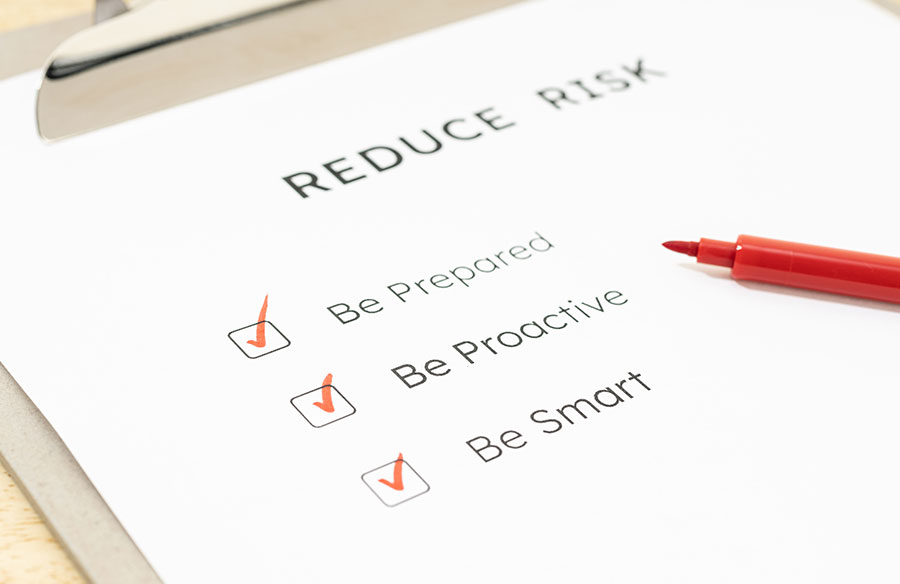
With some events in particular, it can be very important to figure out a hazard risk reduction plan before you even start with the planning process. From risk assessments to team involvement, here’s how you can get going with that process.
Always start with risk assessment
To make anything safe – whether it’s a building site or a huge event – you need to know what risks you’re actually dealing with. To determine what these risks actually are, and to gain an understanding of how you’ll fight them, you need to start with a thorough risk assessment process.
Look at every aspect of the event itself, and of the setup and takedown processes, looking for areas that have the potential to be hazardous. Consider both the severity and probability of these risks, and then work on mitigating them accordingly.
Cover your bases
There are basic strategies you can use to cover your bases, both literally and figuratively. For example, with outdoor events on soft ground, you’ll want to use a trackway road solution from a company like Davis Track Hire.
Such a seemingly simple solution can reduce the risk of a range of hazards, from preventing lorries and vans from slipping to protecting the ground that they’re driving on. Thinking about basic solutions that you can implement early on, to avoid these kinds of issues from popping up in the first place, is the right way to go about it.
Use the data available to you
The chances that you’re the first one to organise any kind of event are slim to none. There should be extensive data available related to the kinds of things that could go wrong at any kind of event, and you need to find that data and analyse it. You can and must learn from other people’s mistakes, so that you don’t have to make them yourself.
Involve the whole team
Effective hazard reduction can’t be a top-down affair. You need to involve the whole events team when approaching hazard risk reduction, throughout the entire process. This starts by speaking with people about the risks that they’ve been exposed to at past events, to try to find ways of mitigating those real risks.
However, it goes beyond that. Once you’ve identified ways to reduce the risks of hazards, you need to make sure that you properly inform all your workers, providing them with any necessary training to understand and fully benefit from your other risk mitigation strategies and technologies.
Event hazard risk reduction is always most effective when you start by looking at what risks you’re actually going to be facing. By using this kind of foundation, you can ensure that all of your efforts are geared towards real issues.