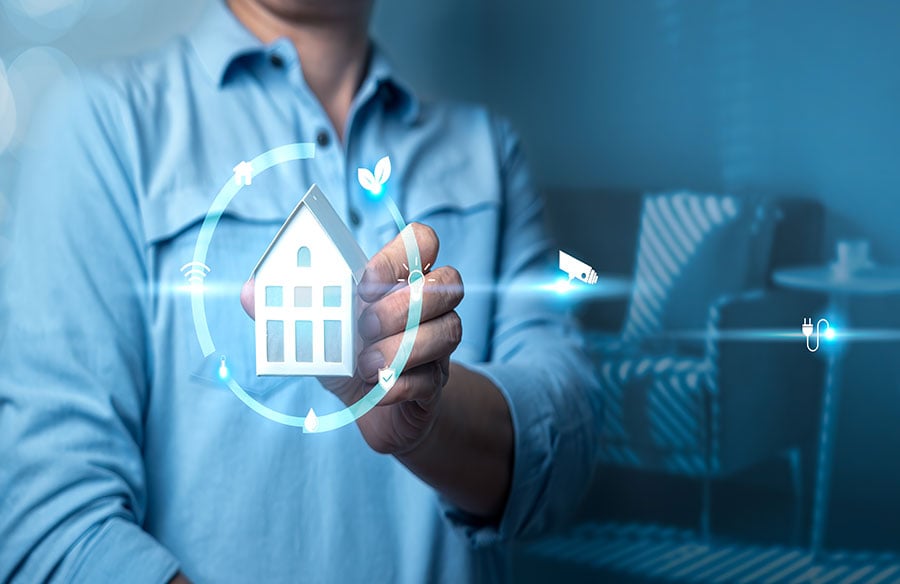
Homeowners today expect more from their living spaces. A house isn’t just a place to live—it’s where families find comfort, safety, and convenience. Over time, priorities have shifted, and modern features like the smart home door lock have become essentials for many households.
More and more, people want homes that are both secure and connected. With the rise of smart home technology, achieving this balance has never been easier. Let’s explore how these changes are shaping modern living.
Security: The Foundation of Peace of Mind
For decades, home security was a simple concept. A sturdy lock, perhaps a basic alarm system, and a watchful neighbor often made people feel safe. While these methods were helpful, they weren’t perfect. False alarms were common, and traditional systems didn’t always offer fast solutions.
Over time, people began looking for more reliable options. This led to the development of monitored alarm systems. However, many homeowners found these systems expensive and often inconvenient. They depended heavily on third parties, leaving families wanting more control over their safety. That desire for control opened the door to modern security innovations.
The Growth of Smart Home Technology
While security systems evolved, a different type of technology quietly entered homes. Smart devices, like voice-activated assistants and automated lighting, were initially seen as convenient add-ons. But as their popularity grew, these devices became essential.
Today, smart home technology can manage nearly everything in a house. From adjusting the thermostat to dimming the lights, these tools simplify everyday tasks. Hubs like Amazon Echo and Google Nest allow multiple devices to work together. What started as a way to make life easier quickly became much more.
Merging Security with Smart Features
One of the most exciting trends in home technology is the combination of security and smart devices. Together, they offer homeowners more than just convenience—they provide real peace of mind.
Take smart doorbells as an example. Devices like Ring and Arlo let users see who’s at their door, even if they’re on the other side of the world. Many models include two-way audio so homeowners can talk to visitors without opening the door.
Smart locks are another game-changer. These devices allow people to unlock their doors remotely or with a passcode. If a family member forgets their key, there’s no problem. A quick tap on a smartphone can let them in.
Cameras have also become smarter. Many now come with motion sensors and facial recognition. These features help distinguish between a passing car and a potential intruder, cutting down on unnecessary alerts.
How Artificial Intelligence Improves Security
Artificial intelligence (AI) has added another layer to smart home technology. Many modern devices use AI to analyze patterns and detect unusual behavior. For example, some security cameras can recognize familiar faces and flag unfamiliar ones.
AI also helps improve energy efficiency. Smart thermostats learn a family’s daily habits and adjust settings to save energy when no one is home. These small adjustments make homes not only safer but also more efficient.
Why Homeowners Love These Solutions
The popularity of smart home security systems isn’t surprising. They’re easy to use, customizable, and give people more control over their homes.
With real-time alerts and remote access, homeowners feel connected to their properties, no matter where they are. These systems also give families flexibility. They can choose the features that fit their lifestyle, whether it’s a video doorbell, a smart lock, or an AI-powered camera. Affordability has also made a difference. As technology improves, prices drop, making these solutions accessible to more households.
What’s Next for Smart Homes?
The future of home technology is bright. Security and smart devices will continue to offer even better solutions for homeowners. New developments, like predictive analytics, could help systems identify potential problems before they occur.
For homeowners, this means safer, more efficient homes that adapt to their needs. As technology becomes more advanced, the line between security and convenience will blur even further.
In the end, today’s demand for secure and connected homes reflects a simple truth. People want to feel safe while making their lives easier. By combining smart technology with reliable security, homeowners can have both—and more.