Introduction
- How Technology Enhances Online BLS Renewal
- Benefits of Online BLS Renewal
- Emerging Technologies in BLS Training
- Challenges and Solutions
- Online BLS Renewal: Adapting to the Changing Times
In an emergency Basic Life Support (BLS) training is crucial for preserving lives. The training equips healthcare workers and other professionals with skills like performing CPR and using an automated external defibrillator (AED). With the rapid progress of technology, BLS training has undergone significant changes. Nowadays traditional classroom methods are being replaced by online platforms that use advanced tools to deliver effective and flexible training. Moreover the changes not only make learning more accessible but also ensure it remains efficient and practical. In this blog explore how technological advancements are reshaping online BLS renewal and the benefits they bring to healthcare professionals.
How Technology Enhances Online BLS Renewal
In the past, BLS renewal was only offered in classrooms. Professionals had to attend sessions, follow schedules, and practice with instructors. Today, online BLS renewal offers flexibility and convenience. Participants can learn and renew certifications from anywhere with an internet connection. In fact, over 74% of healthcare professionals have reported preferring online training due to its convenience and flexibility.
Online platforms now provide interactive training with videos, simulations and assessments. Here are some of the ways technology has enhanced online BLS Renewal:
1. Interactive Video Training
Technology allows the use of high-quality videos in training. Videos demonstrate step-by-step procedures for CPR, AED use and other BLS skills. Learners can watch and replay these videos as needed. Moreover this ensures they understand the techniques thoroughly.
Unlike reading from a book, videos offer a visual experience. They also show real-life scenarios and explain how to respond in emergencies which makes the training more practical.
2. Virtual Simulations
Online BLS renewal now includes virtual simulations. The simulations are computer based scenarios that mimic real-life emergencies. Learners can practice decision-making and skills in a safe, controlled environment.
For example, a simulation may show a person experiencing cardiac arrest. The learner must decide what steps to take and in what order as they improve confidence and quick thinking.
3. AI-Powered Assessments
Artificial Intelligence (AI) is making online assessments smarter. AI evaluates learners’ performance during training and gives feedback. For example, it may detect if someone is taking too long to respond in a simulation. Also it can suggest areas for improvement.
AI assessments help ensure learners are well-prepared. They personalise training to meet individual needs. which makes learning more effective.
Benefits of Online BLS Renewal
Online BLS renewal offers many advantages, making it a preferred choice for professionals. With the help of technology these courses provide an easy and effective learning experience. Below are the key benefits of online BLS renewal, highlighting why it is transforming healthcare training.
1. Flexibility
One major benefit of online BLS renewal is flexibility. Learners can complete the course at their own pace. They can also choose times that fit their schedules. This is especially helpful for busy professionals.
2. Accessibility
Online BLS renewal is available to more people. Rural and remote areas often lack in-person training centres. With online options, anyone with an internet connection can access the course.
3. Cost-Effectiveness
Online training reduces costs. Learners do not need to pay for travel or take time off work. Institutions also save money by using digital platforms instead of physical classrooms.
4. Consistency in Training
With online courses, every learner receives the same quality of training. Videos, simulations, and assessments are standardised. This ensures no variation in what is taught, unlike in-person sessions, where teaching styles may differ.
Emerging Technologies in BLS Training
As technology continues to advance, online BLS renewal will become even more innovative. Machine learning and AI could create highly personalised training experiences. Real-time feedback during simulations will improve learning outcomes.
Future courses may also include more advanced AR and VR tools. Additionally, global access to online platforms will ensure more people receive life-saving training. Here are some emerging technologies in BLS Training:
1. Augmented Reality (AR) and Virtual Reality (VR)
AR and VR technologies are being introduced in BLS training. AR overlays digital information on the real world. For example, it can guide learners during CPR by showing proper hand placement.
VR creates a fully immersive learning environment. Learners can practice in a virtual setting that feels real which improves skill retention and confidence.
2. Wearable Devices
Wearable devices like smartwatches and fitness trackers are now used in training. The devices measure the depth and speed of chest compressions during CPR practice. They give instant feedback which helps learners improve their technique.
3. Gamification
Gamification makes training more engaging. It uses game-like elements such as points, badges and leaderboards. Learners are motivated to complete tasks and improve their scores.
4. Cloud-Based Learning
Cloud technology allows learners to save their progress online. They can start the course on one device and continue on another. It also stores certificates and makes it easy to access them when needed.
Challenges and Solutions
While technology has improved online BLS renewal, it is important to maintain high standards. Professionals must choose courses from recognised organisations as accreditation is quite important.
1. Limited Hands-On Practice
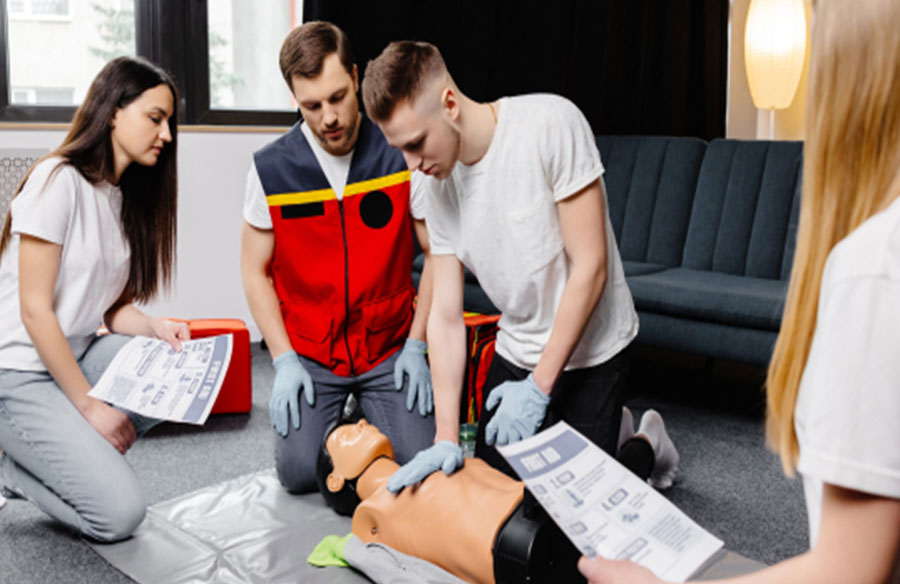
One limitation of online training is the lack of hands-on practice. BLS skills require physical techniques like chest compressions. To address this, many courses include a hybrid option. Learners complete the theory online and attend a short in-person session for practice.
2. Access to Technology
Not everyone has access to the internet or devices needed for online learning. Governments and institutions can help by providing resources or low-cost training options.
3. Keeping Learners Engaged
Online learning can sometimes feel less personal. Interactive tools like simulations and gamification solve this problem and keep learners involved and focused.
Online BLS Renewal: Adapting to the Changing Times
Technological advancements have transformed online BLS renewal, making it more effective, accessible, and engaging. From interactive videos to virtual simulations these innovations enhance the learning experience and ensure high-quality training. Emerging tools like AI, AR and VR promise even greater improvements in the future.
Maintaining BLS certification is important to delivering life-saving care for healthcare professionals. Moreover online renewal offers the flexibility and convenience needed for a busy world while ensuring skills remain up-to-date. Choosing accredited courses ensures reliability and quality.