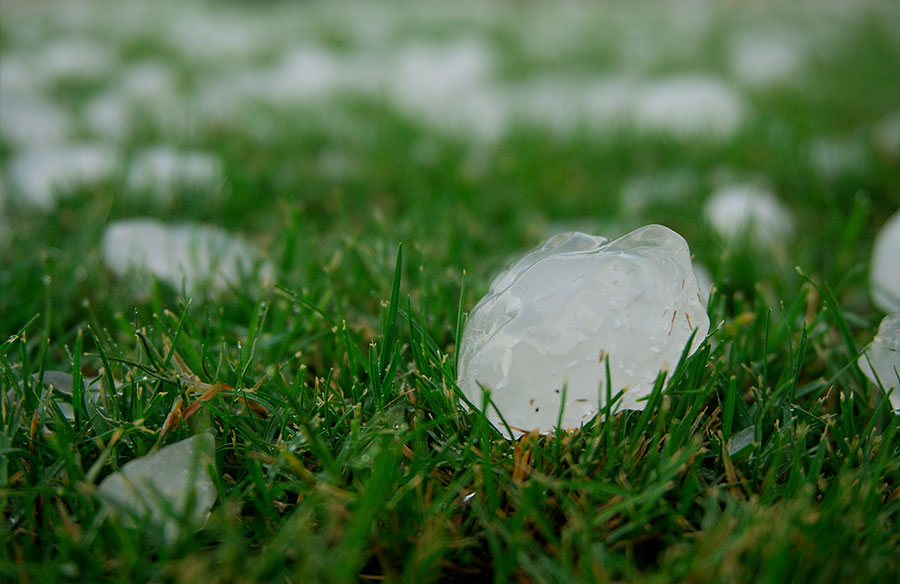
In recent years, many homeowners in hail-prone areas have become all too familiar with the destructive power of hailstones. These storms can shatter windows, dent cars, and wreak havoc on roofs.
While hailstorms are nothing new, recent studies show that they may be getting worse. A new study published in Nature reveals that climate change is contributing to the growth of hailstones. This is making storms more intense and frequent, especially in the eastern U.S.
So, what’s driving this phenomenon, and how can homeowners prepare for bigger, more destructive hailstorms?
Why Hailstones are Getting Bigger
Hail is formed when raindrops are carried up into the cold upper regions of a storm, where they freeze. As the frozen raindrops are thrown around by powerful updrafts within thunderstorms, they collect more layers of ice. They then grow larger with each trip through the storm’s turbulent environment. The bigger the updrafts, the bigger the hailstones.
The new study reveals that as the world warms, the updrafts in thunderstorms are getting stronger, leading to the formation of larger hailstones. Warmer temperatures allow more water vapor to be absorbed into the atmosphere, providing the necessary fuel for stronger, more moisture-laden storms. These storms, in turn, can create the violent updrafts needed to form larger hailstones, particularly those larger than 2 inches.
Victor Gensini, a meteorologist and study co-author, explains that the hotter the world gets, the more dramatic the size of the hailstones will become. Under the worst-case emissions scenario, we can expect more frequent and larger hailstones. Warmer temperatures increase the size of hailstones and promote the formation of larger ones. Smaller hailstones are more likely to melt before reaching the ground.
Hailstorm-Prone Areas in the U.S.
Certain regions in the U.S. have long been known for frequent hailstorms. Colorado, known for its mountainous terrain, has experienced its share of severe weather, including damaging hailstorms. The Denver metropolitan area, in particular, was hit by an intense hailstorm last May, causing significant damage.
The biggest hail recorded this time in Denver County was 2.75 inches in size. This makes it the largest hail event in the county since 1989, according to the FOX Forecast Center.
Such large hailstones can cause extensive property damage, particularly to roofs, resulting in costly repairs. In hail-prone areas like Denver, it is crucial to contact professional Denver roof installation & home remodeling experts, who specialize in assessing hail damage.
According to Peak Builders & Roofers of Denver, these experts can inspect your roof for dents, cracks, and leaks. They offer services to repair or replace damaged shingles and ensure your roof is fortified for future storms.
There are many other precautions homeowners can take to protect their property, which we’ll discuss later in this article.
Hail-Prone Areas May Shift as Well
While areas like the High Plains have long been prone to severe hailstorms, future research projects a shift in hailstorm patterns. According to the study, severe hailstorms will occur less frequently across the High Plains. However, they will become more common in regions outside the Southern Plains, including the Midwest, Ohio Valley, and Northeast.
This eastward shift in hailstorm activity may come as a surprise to some, but it highlights the growing unpredictability of weather patterns. Tornadoes, thunderstorms, and hailstorms are expanding their footprints, and communities unaccustomed to such extreme weather events could face significant risks in the coming decades.
Hailstones Can Grow Big
Currently, the world record for the largest hailstone ever found was an 8-inch stone from Vivian, South Dakota, in 2010. But as climate change accelerates, we could see even larger hailstones in the future.
Researchers suggest that hailstones could potentially reach 10 inches in diameter, roughly the size of an NBA basketball. These extreme-sized hailstones, which weigh up to 3 pounds, are rare but devastating when they occur.
The growing size of hailstones isn’t just a concern for farmers and car owners; it’s becoming an increasing problem for homeowners too. With hail damage on the rise, the economic cost of these storms is climbing into the billions.
Protect Your Home from Hail Damage
As the risk of larger and more frequent hailstorms increases, homeowners in hail-prone areas need to take action to protect their property. Here are some practical steps to minimize hail damage:
- Reinforce Your Roof: Your roof is the first line of defense against hail. Choose durable roofing materials like Class 4 asphalt shingles or metal roofing, which are built to endure hail damage. Consider adding hail-resistant roof coatings to improve durability.
- Install Storm Shutters or Impact-Resistant Windows: Windows are highly vulnerable to hail, especially when stones exceed 2 inches in diameter. Storm shutters or impact-resistant windows can protect your home from shattered glass. These products are designed to withstand high-impact forces, preventing damage from hailstones and flying debris.
- Park Your Car in a Garage or Covered Area: If possible, park your car in a garage or under a covered structure to shield it from hail. If you don’t have access to such a space, consider investing in a heavy-duty hail car cover. These covers are specifically designed to absorb the impact of hailstones and protect your vehicle’s exterior.
- Trim Trees and Shrubs: Large branches or trees can break under the force of a hailstorm, causing further damage to your property. Trim any overhanging branches near your home and remove weak or dead trees that might fall during a storm.
- Use Hail-Resistant Siding: Consider upgrading your home’s siding to hail-resistant materials, such as fiber cement or brick. These materials are far less likely to be damaged by large hailstones compared to wood, vinyl, or aluminum siding.
- Invest in a Hail Damage Detection System: Some homeowners are turning to technology to track severe weather events. Consider investing in a hail damage detection system that uses sensors and real-time weather data. It will alert you when a storm is approaching, allowing you to take precautionary measures in time.
- Maintain Insurance Coverage: Ensure that your homeowner’s insurance covers hail damage. Check with your insurance provider to understand your coverage and consider adding additional protection against hailstorms if necessary. With the frequency and intensity of these storms increasing, having adequate coverage is essential to avoid financial losses.
FAQs
Why are large hailstones more likely to occur with climate change?
Warmer temperatures enhance the updrafts within thunderstorms, providing the necessary conditions for larger hailstones to grow. These stronger updrafts carry raindrops higher into the storm, allowing them to freeze and accumulate more layers of ice, resulting in bigger hail.
How does the eastward shift in hailstorm activity affect homeowners?
The eastward shift means areas like the Midwest, Ohio Valley, and Northeast may experience more frequent storms. These regions, which were traditionally less prone to severe hailstorms, could face more intense weather events. Homeowners in these regions should be prepared for the increased risk of hail damage and take necessary precautions to protect their property.
Can hail storms be predicted in real-time?
Yes, advances in weather technology, such as hail damage detection systems and real-time weather data, can provide alerts about incoming storms. These systems use sensors to track storm patterns and notify homeowners, giving them time to take preventive actions before hailstones cause significant damage.
Overall, climate change reshaping global weather patterns and also magnifying the severity of natural disasters like hailstorms. As temperatures rise and atmospheric conditions change, hailstones are expected to grow larger and fall more frequently in regions previously less affected.
Homeowners in hail-prone areas need to take proactive measures to protect their homes and assets. By reinforcing roofs, installing impact-resistant windows, and staying informed about storm activity, you can minimize the risks posed by these increasingly destructive hailstorms.