

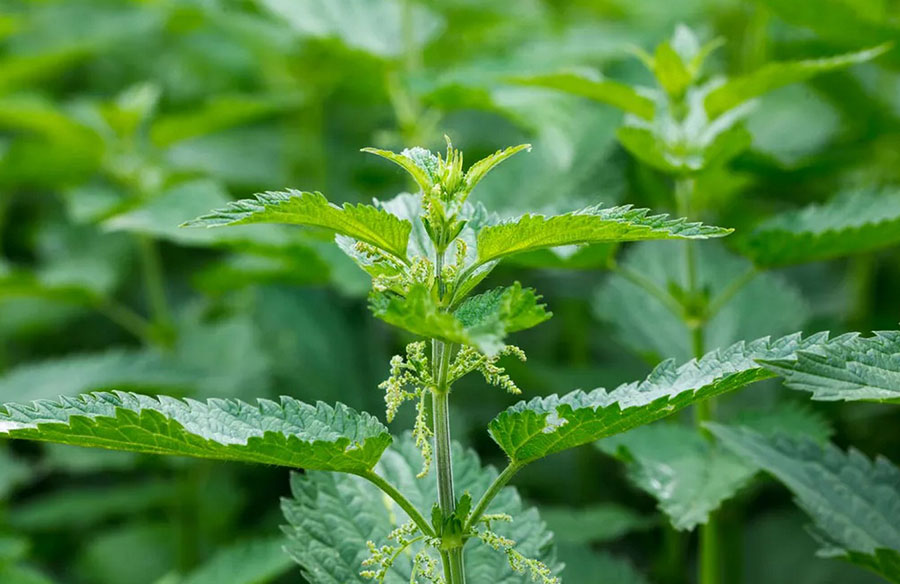
Stinging nettle (Urtica dioica) is a plant with a reputation as prickly as its sting. Often dismissed as an invasive weed, this resilient plant is, in fact, a powerhouse of benefits for health, cuisine, gardening, and even sustainability. For centuries, cultures across the globe have harnessed its potential, transforming it from a backyard nuisance into a valuable resource. This article explores the fascinating journey of stinging nettle, highlighting its versatility, unique uses, and how it can enrich our lives in unexpected ways.
The Unsung Power of Stinging Nettle Seeds
While the leaves and stems of stinging nettle are widely recognized, the tiny seeds hold a treasure trove of benefits. Stinging nettle seeds are celebrated for their ability to support adrenal health, boost energy, and improve kidney function. Packed with essential fatty acids, vitamins, and antioxidants, they are a nutritional powerhouse. In herbal medicine, nettle seeds are often used to combat fatigue and revitalize the body, especially during periods of stress.
These seeds are also incredibly versatile in the kitchen. They can be sprinkled on salads, mixed into smoothies, or incorporated into baked goods for a subtle nutty flavor. Beyond their culinary uses, they serve a critical role in gardening. Planting nettle seeds is an excellent way to propagate this wonder plant, ensuring its benefits are readily available in your garden year-round.
Culinary Uses of Stinging Nettle
When it comes to cooking, stinging nettle is often underestimated. However, its leaves are a culinary delight, offering a flavor reminiscent of spinach with a slightly earthy undertone. The trick to using nettle in the kitchen lies in neutralizing its sting. Cooking, steaming, or blanching the leaves effectively removes the stinging hairs, rendering them perfectly safe and delicious.
Nettle Tea
One of the most popular ways to enjoy nettle is as an herbal tea. Steeping fresh or dried leaves produces a rich, earthy brew packed with vitamins A, C, and K, along with calcium and iron. Nettle tea is not only a soothing beverage but also a natural detoxifier, often used to cleanse the liver and support overall health.
Nettle in Recipes
Stinging nettle can replace spinach or kale in almost any recipe. Use it to make creamy soups, vibrant pestos, or hearty stews. Its high nutrient content makes it an excellent addition to green smoothies or homemade juices. You can even incorporate nettle into pasta dough for a vibrant green hue or bake it into bread for a nutrient-rich twist.
Medicinal Benefits of Stinging Nettle
For centuries, stinging nettle has been a staple in traditional medicine. Its anti-inflammatory and diuretic properties make it a go-to remedy for various ailments. Modern research supports many of these uses, underscoring its role in natural healthcare.
Anti-Inflammatory Properties
Stinging nettle is widely used to alleviate joint pain and arthritis. Compounds in the plant help reduce inflammation, providing relief for those with chronic conditions. Nettle is also used in compresses or topical creams to soothe skin irritation and reduce swelling.
Support for Allergies and Respiratory Health
Nettle’s natural antihistamine properties make it a popular remedy for seasonal allergies. Drinking nettle tea or taking supplements can help reduce symptoms such as sneezing, runny nose, and itchy eyes. It is also used to support respiratory health and ease conditions like asthma or bronchitis.
Nutritional Boost
Rich in iron, calcium, magnesium, and a host of vitamins, nettle is a natural supplement for boosting energy and combating fatigue. It’s particularly beneficial for individuals with anemia or those looking to strengthen their immune system.
Gardening and Environmental Benefits
Gardeners often view nettle as a nuisance, but it’s actually a boon for soil health and biodiversity. By understanding its ecological role, you can transform stinging nettle into a valuable ally in your garden.
Nettle as a Natural Fertilizer
Stinging nettle is often used to create a potent liquid fertilizer known as nettle tea (for plants). This organic solution is packed with nutrients that promote plant growth, making it an excellent alternative to synthetic fertilizers. The process involves soaking nettle leaves in water for several days to release their nutrients, creating a rich compost tea for watering plants.
Soil Enrichment
The deep roots of stinging nettle draw minerals and nutrients from the subsoil, bringing them closer to the surface. This not only enriches the soil but also prepares it for other crops, making nettle a natural choice for permaculture systems.
Attracting Beneficial Insects
Nettle plays a vital role in supporting biodiversity. It attracts pollinators like bees and butterflies, along with beneficial insects such as ladybugs, which help control garden pests. By leaving a patch of nettle in your garden, you can create a thriving ecosystem that benefits all your plants.
Sustainability and Beyond
Stinging nettle isn’t just good for personal health and gardening—it’s also a sustainable resource for various industries.
Nettle in Textiles
Historically, nettle fibers were used to make fabric, much like flax or hemp. Modern interest in sustainable materials has revived this practice, with nettle fabric being promoted as an eco-friendly alternative to cotton.
Natural Dyes
Nettle can be used to produce natural dyes, creating shades of green and yellow. These dyes are popular in eco-friendly crafts and sustainable fashion.
How to Grow and Harvest Stinging Nettle
Growing nettle is surprisingly easy, even for novice gardeners. The plant thrives in a variety of conditions, but it prefers moist, nutrient-rich soil and partial shade. Once established, nettle is a low-maintenance plant that will return year after year.
When harvesting, it’s essential to wear gloves to avoid the sting. Focus on young leaves for culinary uses and allow some plants to flower and set seed for propagation. Drying or cooking the leaves removes their sting, making them safe to handle and consume.
Conclusion: A Transformative Plant
Stinging nettle proves that first impressions can be deceiving. What many see as a troublesome weed is actually a versatile, sustainable, and highly beneficial plant. Whether you’re sipping nettle tea, nourishing your garden with compost tea, or exploring its medicinal uses, nettle has something to offer everyone.
So, the next time you spot this prickly plant, resist the urge to pull it out. Instead, consider how you can incorporate stinging nettle into your life and enjoy the many wonders it has to offer.







