

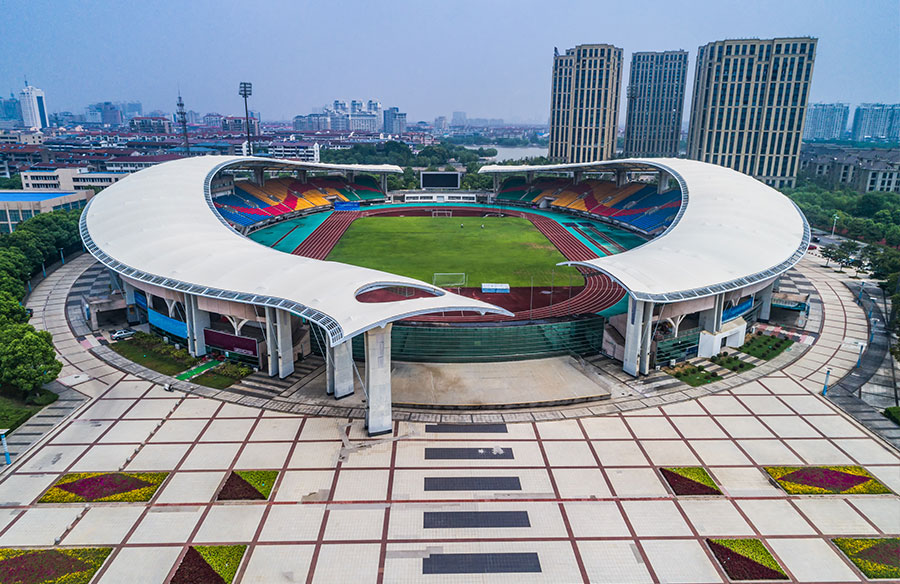
The architecture of stadiums has come a long way from rudimentary wooden structures to modern engineering marvels. Today, stadiums are more than just venues for sporting events; they are iconic landmarks that embody the fusion of sports, culture, and cutting-edge design. With a growing emphasis on sustainability, technology, and fan experience, stadiums now reflect the spirit of the cities they reside in and the communities they serve. As we explore this transformation, it’s clear that stadium design is more than just structural—it’s a canvas for innovation and creativity.
Whether you’re a sports fan or a design enthusiast, understanding the evolution of these colossal structures offers insight into how architecture shapes experiences. Platforms like THSPORT provide an excellent lens to explore the intersection of sports and architecture, offering a glimpse into this fascinating world.
The Early Days: Simplicity and Functionality
The roots of stadium architecture can be traced back to ancient civilizations. Structures like the Colosseum in Rome, built in 80 AD, showcase the grandeur and ingenuity of early architects. These arenas were designed to accommodate massive crowds for events ranging from gladiator battles to public spectacles. The emphasis was on functionality—seating arrangements and sightlines were meticulously planned to maximize the audience’s experience.
In the 19th and early 20th centuries, the industrial revolution brought significant changes to stadium construction. Materials like steel and concrete replaced wood, making stadiums safer and more durable. This era was characterized by straightforward designs, where the focus remained on utility rather than aesthetics.
The Rise of Iconic Stadiums in the 20th Century
The 20th century marked a turning point in stadium architecture. This era saw the construction of iconic venues like Wembley Stadium in London (1923) and the Maracanã in Rio de Janeiro (1950). These stadiums were not only engineering feats but also symbols of national pride. Architects began to experiment with unique designs that reflected the culture and aspirations of their nations.
One of the key developments during this period was the introduction of cantilevered roofs, allowing unobstructed views for spectators. This innovation transformed stadium design, prioritizing the fan experience while creating visually striking structures. By the mid-20th century, stadiums had become more than just functional spaces—they were architectural statements.
The Modern Era: Technology and Sustainability Take Center Stage
In the 21st century, stadium architecture has entered a new phase driven by technology, sustainability, and fan engagement. Today’s stadiums are smart, sustainable, and adaptable, catering to diverse needs while reducing environmental impact.
Smart Stadiums and Technological Integration
Modern stadiums are equipped with advanced technology to enhance the fan experience. From high-speed Wi-Fi to augmented reality features, technology has become integral to stadium design. LED lighting, massive high-definition screens, and immersive sound systems are now standard features in new constructions.
Some stadiums even leverage artificial intelligence to optimize operations, including crowd management and energy usage. For instance, sensors and data analytics are used to monitor foot traffic, ensuring smooth entry and exit for spectators.
Sustainability in Stadium Design
As environmental concerns grow, sustainability has become a central theme in stadium architecture. Architects are now incorporating eco-friendly materials, renewable energy sources, and water conservation systems. The Mercedes-Benz Stadium in Atlanta is a prime example of this trend. It is the first professional sports stadium to achieve LEED Platinum certification, featuring solar panels, a rainwater collection system, and energy-efficient designs.
The Role of Cultural Identity in Stadium Design
Modern stadiums are also designed to reflect the cultural identity of their host cities. This not only creates a sense of belonging among fans but also makes the stadium a landmark for tourists. The Allianz Arena in Munich, with its luminous façade, is a prime example. Its design pays homage to Bavarian culture while serving as a beacon of architectural excellence.
Similarly, the Bird’s Nest in Beijing, designed for the 2008 Olympics, blends traditional Chinese aesthetics with modern engineering. Its unique lattice design symbolizes unity and strength, making it an enduring cultural icon.
Multifunctional Spaces: Beyond Sports
Stadiums today are multifunctional hubs designed to host more than just sports events. They are venues for concerts, conferences, and community gatherings. This versatility ensures that stadiums remain relevant even during off-seasons.
For example, the Tottenham Hotspur Stadium in London is equipped with a retractable pitch, enabling it to switch seamlessly between football matches and NFL games. Such adaptability reflects the changing demands of urban spaces and the need for infrastructure that serves multiple purposes.
Fan-Centric Design: Redefining the Experience
Modern stadium architecture places fans at the heart of design decisions. From comfortable seating to diverse food options, every aspect of the stadium is designed to enhance the spectator experience. Open concourses, expansive views, and dedicated family zones are now standard features.
Interactive experiences, such as virtual tours and personalized services, further elevate the fan experience. Some stadiums even offer luxury suites and hospitality areas, providing a premium experience for those seeking exclusivity.
The Future of Stadium Architecture
As we look to the future, stadium architecture is poised to become even more innovative. Concepts like floating stadiums, fully modular designs, and the use of AI in construction planning are gaining traction. Architects are exploring ways to create zero-energy stadiums that generate more power than they consume.
Additionally, the integration of virtual and augmented reality could redefine how fans experience games, offering immersive experiences that bridge the gap between physical and digital spaces.
Platforms like 7MSCORETHAI provide valuable insights into these emerging trends, keeping fans and enthusiasts informed about the future of sports and design.
Conclusion: A Celebration of Sports and Design
The evolution of stadium architecture is a testament to human ingenuity and the unifying power of sports. From ancient arenas to modern masterpieces, these structures continue to inspire and captivate audiences worldwide. As technology advances and sustainability becomes a priority, the future of stadium design promises to be even more exciting.
Whether you’re drawn to the engineering brilliance or the cultural significance of stadiums, one thing is certain—they are more than just venues. They are a fusion of sports and design excellence, embodying the aspirations of communities and the spirit of innovation.







