
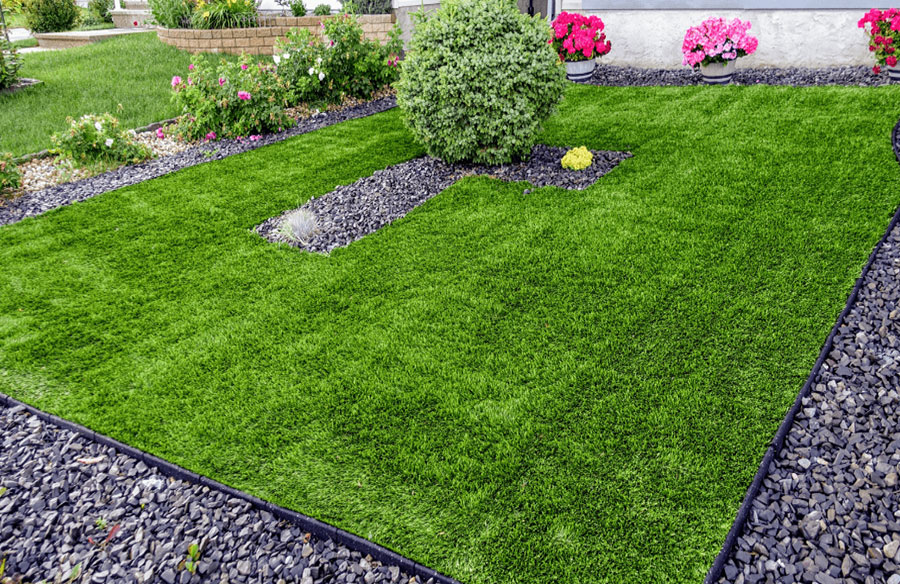
Artificial turf has revolutionized sports fields and landscaping, offering a lush green appearance without the maintenance demands of natural grass. Many property owners and facility managers considering this option want to know about its longevity.
Properly installed and maintained artificial turf can last between 8 to 15 years on average. This lifespan varies depending on several factors, including the quality of materials, installation methods, usage intensity, and maintenance practices.
You might wonder if artificial turf is worth the investment given its eventual need for replacement. While the initial cost can be significant, the reduced maintenance expenses and consistent appearance often make it an attractive option for many applications. Understanding the factors that influence artificial turf’s durability can help you maximize its lifespan and get the most value from your investment.
Fundamentals of Artificial Turf Durability
The longevity of artificial turf depends on several key factors. Quality materials, proper manufacturing processes, and expert installation all play crucial roles in determining how long your synthetic grass will last.
Materials and Manufacturing
Artificial grass is typically made from durable synthetic fibers like polyethylene, nylon, or polypropylene. Each material offers unique benefits for different applications. Polyethylene is soft and natural-looking, making it ideal for residential lawns. Nylon, known for its strength, is often used in high-traffic areas.
The backing material is equally important. It provides stability and drainage for your turf. Look for products with strong, perforated backing to ensure proper water flow.
Manufacturing techniques significantly impact durability. Advanced tufting methods and UV stabilizers help prevent premature wear and fading. High-quality artificial turf undergoes rigorous testing to ensure it can withstand various weather conditions and heavy use.
Installation and Initial Quality
Proper installation is crucial for maximizing the lifespan of your artificial turf. A well-prepared base ensures stability and prevents shifting or settling over time. This typically involves excavating the area, adding a layer of crushed stone, and compacting it thoroughly.
The installation process also includes securing the turf edges, adding infill material, and brushing the fibers. Professional installers such as Artificial Grass Kitchener use specialized techniques to create seamless joints and ensure even distribution of infill.
Initial quality checks are essential. Inspect your newly installed turf for uniformity, proper seaming, and correct infill levels. Address any issues immediately to prevent long-term problems.
Regular maintenance, such as brushing and cleaning, helps preserve the quality and appearance of your artificial grass. By following proper care instructions, you can significantly extend the life of your turf investment.
Impact of Environmental Factors
Environmental factors play a crucial role in determining the lifespan of artificial turf. Weather, sunlight, and usage patterns can significantly affect its durability and appearance over time.
Weather, Sunlight, and Temperature
Exposure to UV rays can cause fading and degradation of artificial turf fibers. Direct sunlight may accelerate this process, potentially shortening the turf’s lifespan. Temperature fluctuations can also impact the material’s integrity.
Extreme heat can lead to softening and warping of the turf, while freezing temperatures may cause brittleness. Proper drainage systems are essential to prevent water accumulation, which can lead to mold growth and structural damage.
Heavy rainfall or snow can compress the turf fibers, affecting their ability to spring back. You should consider your local climate when estimating the expected lifespan of your artificial turf installation.
Usage and Physical Stress
Foot traffic and regular use contribute significantly to wear and tear. High-traffic areas may show signs of flattening or thinning more quickly than less-used sections.
The intensity of use matters. Sports fields or commercial spaces often experience heavier wear compared to residential lawns. You can expect areas near goalposts or high-activity zones to degrade faster.
Regular maintenance can help mitigate the effects of physical stress. Brushing the fibers and redistributing infill material can maintain the turf’s appearance and performance.
Consider the type of activities your turf will endure. Sports involving cleats or sharp turns may cause more damage than casual foot traffic. You may need to plan for more frequent replacements in heavily used areas.
Maintenance for Longevity
Proper care and upkeep are essential for maximizing the lifespan of artificial turf. Regular maintenance, professional services, and timely repairs all contribute to keeping your synthetic grass looking pristine for years to come.
Routine Cleaning and Care
You should brush your artificial turf weekly to prevent matting and maintain its upright appearance. Use a stiff-bristled broom or a specialized turf rake for this task. Remove debris like leaves and twigs promptly to avoid staining or damage.
Rinse the turf monthly with a garden hose to wash away dust and small particles. For high-traffic areas, increase the frequency of rinsing to bi-weekly.
Address spills immediately by blotting with a clean cloth and rinsing thoroughly. Avoid using harsh chemicals that could damage the fibers or backing.
Apply a turf deodorizer quarterly to neutralize odors, especially in pet areas. This helps maintain a fresh smell and prevents bacterial growth.
Professional Upkeep Services
Schedule professional deep cleaning annually to remove embedded dirt and restore the turf’s appearance. Experts use specialized equipment and eco-friendly cleaning solutions for optimal results.
Professional grooming services can redistribute infill material evenly, ensuring proper cushioning and support. This is particularly important for sports fields and high-use areas.
Consider having a professional inspection every 18-24 months to identify and address potential issues before they escalate. They can assess the turf’s condition, backing integrity, and infill levels.
Some companies offer antimicrobial treatments to inhibit the growth of mold and mildew. These treatments can be especially beneficial in humid climates or shaded areas.
Repairing and Addressing Wear
Inspect your turf regularly for signs of wear and tear, such as loose seams or damaged fibers. Address these issues promptly to prevent further deterioration.
For small repairs, you can use a turf adhesive to reattach loose edges or seams. Ensure the area is clean and dry before applying the adhesive.
Replace heavily worn sections with new turf patches. Match the pile height and color carefully for a seamless repair. Professional installation may be necessary for larger areas.
Consider adding infill material to high-traffic zones that show compaction. This helps maintain proper cushioning and extends the turf’s lifespan.
Use protective mats under heavy furniture or equipment to distribute weight and prevent permanent indentations in the turf surface.
Assessing Turf Life Expectancy
Determining the lifespan of artificial turf involves considering various factors and recognizing signs of wear. Industry standards and careful evaluation can help you gauge when it’s time for replacement.
Industry Benchmarks and Estimates
Artificial turf typically lasts between 8 to 15 years. High-quality materials and proper maintenance can extend this range to 20 years or more. Manufacturer warranties often cover 8-10 years, reflecting confidence in product durability.
Factors affecting lifespan include:
- UV resistance
- Material quality
- Installation method
- Usage intensity
- Maintenance practices
Heavy foot traffic areas may wear faster, while less-used sections can last longer. Climate also plays a role, with extreme temperatures potentially accelerating degradation.
Identifying the End of Turf Lifecycle
Look for these signs to determine if your artificial turf is nearing the end of its lifespan:
- Fading color
- Fiber degradation (thinning or splitting)
- Uneven surfaces or matting
- Reduced bounce or cushioning
- Visible seams or edges
Regular inspections help catch these issues early. As fibers break down, they may become less resilient and more prone to matting. This can affect both appearance and performance.
Drainage problems or persistent odors might also indicate it’s time for replacement. If repairs become frequent or extensive, replacing the entire surface may be more cost-effective.







