

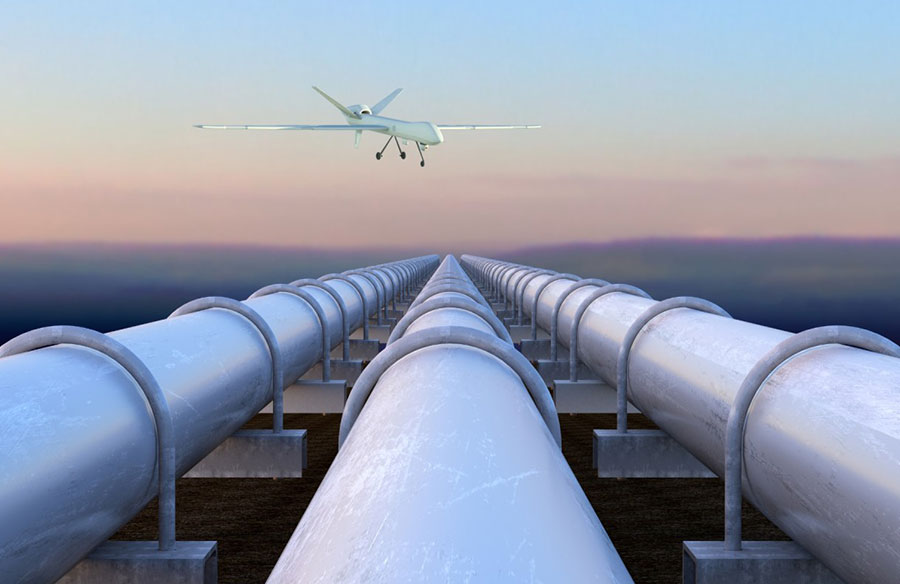
The increasing use of drones in pipeline surveying is transforming the energy and infrastructure industries. Surveying plays a key role in ensuring pipeline safety and reliability, but traditional methods often require time-consuming and risky ground inspections. Drones offer a faster, safer, and more efficient way to monitor large pipeline networks, simplifying the process and improving the quality of collected data. Companies are adopting this technology to remain competitive and protect their assets.
As drones become more common, attitudes toward technology in pipeline management are shifting. In the past, technological advancements were often seen as ways to reduce costs or speed up tasks. Drones, however, bring new opportunities for proactive maintenance and better data analysis. With drone mapping services, the benefits go beyond efficiency—workers face fewer risks, decisions are more informed, and environmental impacts are better managed. This broader perspective is leading companies to treat drones as an integral part of their operations rather than just a tool.
Speedy and Efficient Inspections
Drones can traverse terrain with remarkable speed. These unmanned aerial vehicles possess the ability to cover large distances in a fraction of the time required by traditional inspection methods. On average, surveys that once took days can now occur within hours. Time savings translate into lower operational costs and minimized disruption in pipeline areas. These factors are essential for companies seeking efficiency in their operations.
Aerial views provided by drones offer unique advantages during inspections. High-altitude perspectives reveal pipeline conditions not easily visible from the ground. Drones equipped with high-resolution cameras and sensors capture detailed imagery and metrics. Swift assessments allow for immediate identification of issues such as leaks or corrosion. By pinpointing problems quickly, companies can allocate resources more effectively, focusing efforts on areas requiring urgent attention.
Safety First: Reducing Risks for Workers
Drones have transformed how inspections are conducted in challenging and hazardous areas. Sending drones into locations that pose significant risks to human inspectors decreases potential dangers. Workers no longer need to traverse rugged terrains or inspect areas with dangerous conditions. This shift lowers the likelihood of accidents and injuries, allowing employees to focus on safer tasks. Drone technology effectively removes personnel from hazardous environments, protecting their well-being.
This reduction in risk streamlines the entire surveying process. Inspectors can oversee operations from a safe distance, monitoring the data and video feeds that drones provide in real time. Quick access to aerial views enhances situational awareness and improves decision-making. Companies can allocate resources more strategically, ensuring that field teams concentrate on high-priority areas. With fewer personnel required on-site during inspections, operational efficiency improves without compromising safety.
High-Quality Data Collection
Drones equipped with advanced cameras and sensors gather high-resolution images and data, enhancing the quality of inspections. These devices capture various types of information, including visual imagery, infrared data, and thermal readings. This capability enables companies to analyze pipeline conditions with great detail. Images reveal surface features, while thermal data detects temperature variations that indicate potential issues such as leaks or insulation failures.
The detailed analysis made possible by drone technology improves decision-making processes. Information derived from the collected data enables companies to prioritize maintenance efforts based on urgency and severity. Allocating resources is more efficient when reliable data highlights specific problem areas. The combination of speed and precision in data collection transforms the approach to pipeline maintenance, leading to proactive rather than reactive strategies.
Cost-Effectiveness and Resource Optimization
Adopting drone technology leads to substantial cost savings by minimizing manpower and equipment needs during surveys. Traditional methods often require large teams and extensive equipment, increasing overhead expenses. By integrating drones into surveying processes, companies can reduce the workforce required for inspections. A single drone operator can efficiently conduct surveys that once demanded numerous personnel, thereby streamlining operations and cutting costs.
Resource optimization emerges as a natural benefit from drone usage.
Reduced manpower directly correlates with lower labor costs, while less equipment translates to savings in maintenance and operational expenses. Faster inspections allow companies to conduct more surveys in a shorter time frame. This increase in operational efficiency enables businesses to maximize their resources, enhancing overall profitability. By embracing drone technology, organizations not only save money but also gain a competitive edge within the industry.
Future Trends in Drone Technology for Pipelines
Emerging features in drone technology promise to reshape pipeline surveying. Innovations such as longer flight times and enhanced battery efficiency are paving the way for more extensive inspections. With advances in artificial intelligence, drones can now analyze data in real-time, identifying issues instantly. This immediate analysis empowers companies to act quickly, potentially preventing major failures before they escalate.
Integration of autonomous navigation systems is on the horizon. Drones equipped with this technology can perform predefined survey routes with minimal human intervention. This capability can lead to increased frequency of inspections, providing ongoing monitoring without the need for extensive manpower. Enhanced communication tools further support this development, allowing for seamless data sharing and collaboration among teams.
Pipeline surveying experiences a remarkable transformation through the integration of drones. Enhanced efficiency streamlines operations, while elevated safety measures protect workers in hazardous environments. Data quality sees significant improvement, allowing for precise analysis and informed decision-making. Companies adopting this technology benefit from cost savings and resource optimization, positioning themselves advantageously within the industry. The future of pipeline management looks promising as drone innovations continue to emerge. This new approach not only addresses current challenges but encourages a proactive mindset towards infrastructure maintenance. Embracing these advancements ensures the integrity and longevity of essential pipeline systems.







