

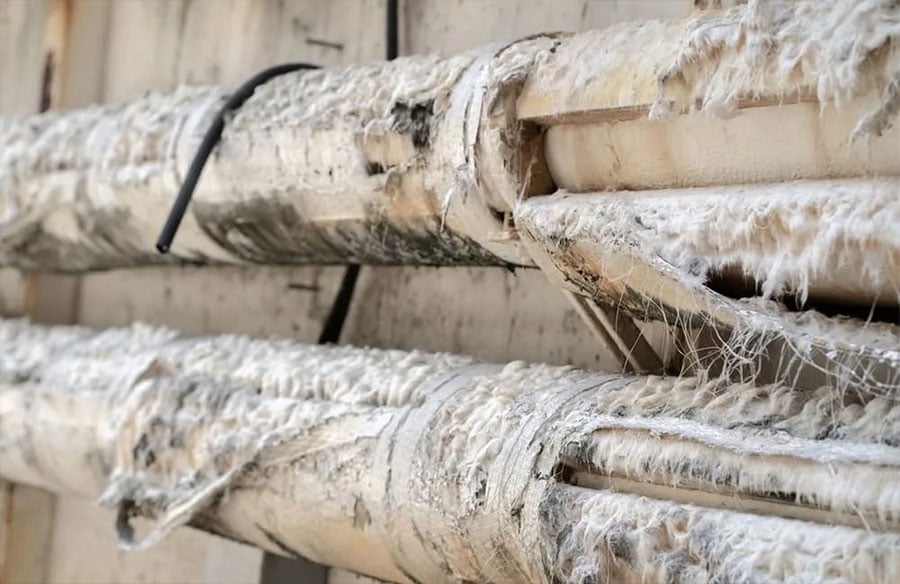
Asbestos, a occurring mineral once hailed for its durability and fire-resistant properties, has become synonymous with health hazards. Once used in construction materials, its presence in older buildings poses significant risks for contractors and workers. For those engaged in renovation or demolition, understanding how to identify asbestos is crucial to ensuring safety and compliance with regulations. This guide provides an overview of the steps contractors should take to identify asbestos in older buildings.
Understanding Asbestos
Before delving into identification techniques, it’s essential to understand what asbestos is and why it was so widely used. Asbestos is composed of fine, fibrous crystals that can become airborne when disturbed. It was utilized in various building materials such as insulation, floor tiles, roofing shingles, and cement products due to its heat resistance, strength, and insulating properties. However, inhalation of asbestos fibers can lead to severe health issues, including lung cancer, asbestosis, and mesothelioma, often resulting in victims seeking asbestos compensation for the harm caused by exposure.
Given these significant health risks, various regulations and guidelines have been established to control the use of asbestos in construction and renovation projects. Despite these efforts, many older buildings still contain asbestos in various forms, often hidden within walls, ceilings, and flooring materials. This persistent presence poses a serious challenge for contractors who may encounter such materials during their work. Therefore, it is imperative that contractors are equipped with the knowledge and skills necessary to identify asbestos before commencing any renovation, demolition, or maintenance tasks.
By understanding the characteristics of asbestos-containing materials and being familiar with the appropriate inspection and testing procedures, contractors can ensure a safer working environment and comply with legal requirements while protecting the health of themselves and others.
Legal Requirements
Before starting a project in an older building, contractors should familiarize themselves with local regulations of asbestos. The Environmental Protection Agency (EPA) and Occupational Safety and Health Administration (OSHA) provide guidelines for the handling, removal, and disposal of asbestos. In many jurisdictions, contractors are legally required to conduct a thorough asbestos survey before any renovation or demolition activities.
Identifying Potential Asbestos-Containing Materials (ACMs)
- Age of the Building: Buildings constructed before the 1980s are more likely to contain asbestos. If a building is older, it’s essential to approach the project with a higher degree of caution.
- Common Asbestos-Containing Materials:
- Insulation: Pipe insulation, duct insulation, and boiler insulation may contain asbestos.
- Flooring: Vinyl floor tiles, linoleum, and the adhesives used to install them often contained asbestos.
- Ceiling Tiles: Popcorn ceilings and acoustic ceiling tiles are known to contain asbestos.
- Roofing: Asbestos shingles and felt roofing materials were commonly used in older roofs.
- Cement Products: Asbestos was often mixed with cement for siding, roofing, and other products.
- Visual Inspection: Contractors should conduct a thorough visual inspection of the building. Look for materials that appear to be damaged or deteriorating, as this increases the risk of asbestos fibers being released into the air.
Sampling and Testing
While visual inspection can provide valuable clues, it’s essential to confirm the presence of asbestos through sampling and laboratory testing.
- Hire a Professional: For safety and compliance, it’s often best to hire a licensed asbestos inspector to take samples. They are trained in proper sampling techniques and know how to handle hazardous materials safely.
- Sampling Procedures: If conducting sampling, follow strict safety protocols:
- Wear appropriate personal protective equipment (PPE), including gloves, masks, and goggles.
- Use a damp cloth to cut dust when collecting samples.
- Seal samples in airtight containers and label them before sending them to a certified laboratory for analysis.
- Laboratory Analysis: The laboratory will use methods such as polarized light microscopy (PLM) or transmission electron microscopy (TEM) to determine the presence and type of asbestos in the samples.
What to Do If Asbestos Is Found
If asbestos is identified in a building, contractors must take specific steps to ensure safety and compliance:
- Develop an Asbestos Management Plan: This plan should outline how to manage, remove, or encapsulate asbestos in compliance with local regulations. It should include timelines, responsible parties, and safety measures.
- Notify Relevant Parties: Inform all stakeholders, including workers, building owners, and regulatory agencies, about the presence of asbestos and the proposed management plan.
- Engage Licensed Asbestos Abatement Contractors: If removal or encapsulation is necessary, hire licensed and experienced asbestos abatement contractors. They are trained to remove asbestos and manage the associated risks.
- Follow Safety Protocols During Renovation: If work must continue in areas where asbestos is present but undisturbed, put in place safety protocols to cut exposure risks. This may include sealing off work areas, using air filtration systems, and providing workers with PPE.
Best Practices for Contractors
- Education and Training: Continuous education on asbestos risks, regulations, and safe handling practices is vital. Attend workshops, and training sessions, and stay updated on local laws.
- Clear Communication: Establish open communication with clients and team members about the potential risks associated with asbestos. Ensure everyone is aware of safety protocols.
- Regular Inspections: Conduct regular inspections of job sites, especially in older buildings, to identify any new potential asbestos risks.
- Document Everything: Maintain comprehensive records of inspections, sampling results, and any actions taken about asbestos management. This documentation is crucial for regulatory compliance and for protecting against liability.
Conclusion
Identifying asbestos in older buildings is a critical responsibility for contractors. Understanding where asbestos is likely to be found, how to sample and test for it, and how to manage it if discovered can protect workers, clients, and the public from the dangers associated with asbestos exposure. By following established regulations and best practices, contractors can ensure that their projects proceed responsibly, contributing to a healthier built environment.







