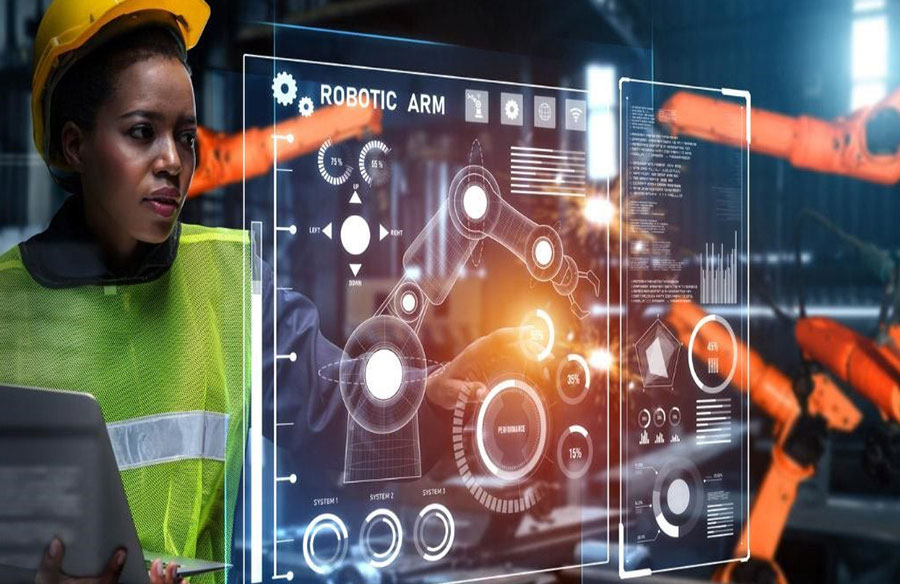
Workplace safety software has always been a critical aspect of any business, with both employers and employees prioritizing it to ensure the well-being of everyone involved. However, traditional methods of managing safety protocols, incident reports, and compliance requirements often result in inefficiencies and errors.
With the rise of innovative software solutions, workplace safety is undergoing a significant transformation, offering new ways to enhance safety, prevent incidents, and ensure regulatory compliance.
This article will explore how cutting-edge software is revolutionizing workplace safety and why companies should embrace these technologies.
1. Streamlining Safety Protocols and Compliance
One of the biggest challenges in maintaining workplace safety is ensuring that safety protocols are consistently followed and that businesses remain compliant with regulatory standards. Innovative safety management software simplifies these tasks by automating processes, reducing human error, and ensuring that procedures are up to date.
Automated Compliance Tracking
Companies in industries like manufacturing, construction, and healthcare must adhere to strict safety regulations. Failure to comply with these regulations can result in legal liabilities, hefty fines, and damaged reputations.
Software solutions can automate compliance tracking by keeping all records organized and alerting management when certifications, inspections, or training sessions are due. This ensures that businesses stay on top of regulatory requirements with minimal effort.
Centralized Safety Documentation
Gone are the days when safety protocols, incident reports, and training materials were scattered across different systems or, worse, managed manually on paper. Workplace safety software offers a centralized platform where all documentation related to safety is stored, updated, and easily accessible. Employees can quickly refer to safety guidelines or access emergency protocols with a few clicks, reducing confusion and delays.
2. Enhancing Incident Reporting and Response
In a fast-paced work environment, timely reporting and responding to safety incidents are crucial. However, the traditional approach of reporting incidents can be slow, cumbersome, and prone to errors, often delaying necessary actions. Safety software offers a more efficient, user-friendly solution for reporting and addressing incidents.
Real-Time Incident Reporting
Modern workplace safety software allows employees to report incidents in real-time through mobile apps or online platforms. This immediate reporting feature enables companies to quickly assess the severity of the situation and take corrective action without delays. In the case of hazardous environments, where a delayed response could lead to severe consequences, this can be a lifesaving feature.
Accurate Data Collection and Analytics
Software-driven incident reporting tools collect more accurate and detailed data, allowing for better analysis and insights. The system can categorize incidents, track trends, and identify recurring hazards, providing management with the information they need to make data-driven decisions about improving safety. For instance, if reports indicate a consistent issue with machinery malfunctioning in a certain area, management can take preemptive steps to address this before another accident occurs.
3. Preventing Hazards Through Predictive Analysis
Innovative software doesn’t just react to incidents after they happen – it can also prevent them from occurring in the first place through predictive analysis. With advanced data analytics and artificial intelligence (AI), workplace safety software can identify potential risks based on past incidents, environmental factors, and real-time data.
Identifying High-Risk Areas
By analyzing historical data and correlating it with present conditions, predictive safety software can identify patterns and highlight high-risk areas. For example, in a warehouse setting, the software might detect that forklift accidents frequently occur at a specific junction during high-traffic hours. Once these risks are identified, management can implement targeted safety measures, such as rerouting traffic or scheduling work during less busy times, to reduce the chances of future incidents.
Anticipating Equipment Failures
Equipment malfunctions are a major cause of workplace accidents. Predictive maintenance software can monitor machinery performance in real-time and alert operators when there are signs of wear and tear or other issues that could lead to failure. This proactive approach ensures that equipment is maintained and repaired before accidents happen, reducing downtime and preventing costly injuries.
4. Improving Training and Employee Engagement
Effective safety training is essential for fostering a culture of safety, but traditional training methods often struggle to engage employees or provide practical, hands-on experience. Workplace safety software is revolutionizing training by offering interactive, engaging platforms that make learning more effective.
Virtual Reality (VR) and Augmented Reality (AR) Training
Some of the most innovative safety software solutions incorporate virtual reality (VR) or augmented reality (AR) to simulate real-life scenarios in a safe, controlled environment. Employees can practice responding to hazardous situations without being exposed to any actual danger. This type of immersive training increases retention and improves employees’ ability to apply safety procedures in the real world.
On-Demand and Mobile Training Modules
Workplace safety software allows for more flexible training options by providing on-demand, mobile-accessible modules. Employees can complete their safety training at their own pace and refer back to it whenever needed, ensuring that safety procedures are fresh in their minds. Additionally, management can track employees’ progress and ensure that everyone is properly trained on the latest safety standards.
5. Empowering a Proactive Safety Culture
The implementation of workplace safety software does more than just improve processes; it helps foster a proactive safety culture. When employees are empowered with the tools they need to easily report incidents, access safety protocols, and complete training, they become more engaged in maintaining a safe work environment. This shift from reactive to proactive safety management can lead to long-term improvements in overall workplace safety and productivity.
Encouraging Employee Involvement
Innovative safety software encourages greater employee participation by simplifying processes and making safety management more accessible. When workers see that their input is valued and that their reports lead to actionable changes, they are more likely to stay engaged in maintaining workplace safety.
Continuous Improvement
With ongoing data collection and analysis, safety software enables continuous improvement in safety practices. The system can track the effectiveness of implemented safety measures, recommend updates to protocols, and provide insights on how to further enhance safety across the workplace.
Transform Workplace Safety with Innovative Software
Innovative workplace safety software is transforming how businesses manage safety, prevent incidents, and ensure regulatory compliance. By streamlining processes, enhancing real-time reporting, leveraging predictive analysis, improving training, and fostering a proactive safety culture, this technology offers an invaluable tool for companies that prioritize the well-being of their employees.
As more businesses adopt these solutions, we can expect to see significant advancements in workplace safety, resulting in safer, more productive environments for everyone.