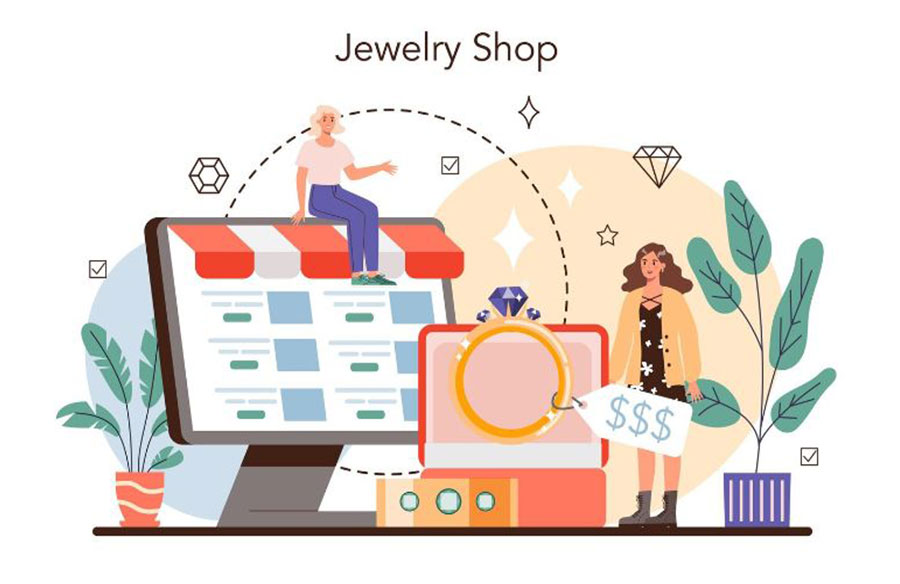
The world of jewellery has always been synonymous with luxury, beauty, and personal expression. However, like many other industries, the way consumers purchase jewellery has significantly shifted over the last decade, particularly with the rise of online shopping.
As technology advances and consumer behaviour evolves, online jewellery shopping has grown to become a prominent trend, with brands and consumers both benefiting from the convenience and variety it offers. This article will explore the emerging trends in online jewellery shopping and how they are reshaping the jewellery industry.
1. Personalization and Customization
One of the most exciting trends in jewellery online shopping is the increasing demand for personalization. Consumers today seek pieces that reflect their unique identity, personality, and style. Online jewellers have recognized this desire and are offering customization options that allow buyers to create bespoke pieces tailored to their specific preferences.
Many platforms now enable customers to design their own jewellery by selecting metals, gemstones, and even engraving personal messages or initials. This trend has empowered shoppers to be part of the creative process, ensuring that the jewellery they purchase carries a deeper, personal meaning. The convenience of online platforms allows buyers to visualise their custom designs through digital tools, ensuring satisfaction before the product is even made.
2. Sustainability and Ethical Sourcing
As consumers become more conscious of environmental and ethical issues, the demand for sustainable and ethically sourced jewellery has surged. Online jewellery retailers have adapted to this trend by offering products that are made from recycled materials, conflict-free diamonds, and ethically sourced gemstones.
Many online jewellers are transparent about the origin of their materials, providing certifications and stories behind their sourcing processes. This transparency appeals to consumers who want to ensure that their purchases align with their values. Additionally, online shopping allows for a broader selection of sustainable brands and options that might not be available in traditional brick-and-mortar stores.
3. Augmented Reality (AR) and Virtual Try-Ons
One of the challenges of buying jewellery online has always been the inability to try on pieces before purchasing. To address this issue, many online retailers have started using augmented reality (AR) technology to provide virtual try-on experiences. AR allows consumers to see how a piece of jewellery will look on them by using their phone’s camera or computer.
Virtual try-ons have become particularly popular for engagement rings, necklaces, and earrings, where the fit and appearance can significantly influence buying decisions. This innovative technology bridges the gap between online and in-store shopping, giving customers more confidence in their purchases while shopping from the comfort of their own homes.
4. Rise of Direct-to-Consumer (DTC) Brands
Direct-to-consumer (DTC) brands have gained substantial momentum in the online jewellery market. These brands bypass traditional retail channels, selling directly to customers through their websites, which helps reduce costs and provide more affordable pricing without compromising on quality.
The DTC model has allowed many emerging jewellers to establish themselves in the market, offering unique designs at competitive prices. For consumers, this means access to a wider variety of jewellery options, from high-end luxury pieces to more affordable, everyday wear. The DTC approach also fosters a closer relationship between the brand and the customer, with a focus on customer service and personalised experiences.
5. Subscription Boxes and Jewellery Rentals
Subscription boxes have become a popular trend in the fashion industry, and jewellery is no exception. Online retailers are now offering jewellery subscription services, where customers can receive curated collections of jewellery pieces every month. These boxes are tailored to individual style preferences, and subscribers can keep the pieces they love while returning the rest.
In addition to subscription boxes, jewellery rental services are also on the rise. Rental platforms allow customers to borrow high-end jewellery for special occasions, such as weddings or formal events, at a fraction of the cost of purchasing. This trend is gaining popularity among consumers who want to enjoy the luxury of fine jewellery without the long-term commitment of ownership.
6. Influencer Collaborations and Social Media Shopping
Social media has played a significant role in the rise of online jewellery shopping. Platforms like Instagram and TikTok have become powerful tools for jewellery brands to reach a wider audience. Influencer collaborations, in particular, have become a key marketing strategy for online jewellery retailers. Influencers, both micro and macro, showcase jewellery pieces to their followers, often resulting in increased sales and brand visibility.
Social media platforms have also integrated shopping features, allowing users to purchase items directly from posts.
This seamless shopping experience has revolutionised how consumers discover and buy jewellery online. With the ability to shop through social media, customers are inspired by real-life examples of how jewellery is worn and styled, making it easier to make purchasing decisions.
7. Transparency in Pricing and Manufacturing
Consumers today value transparency, especially when it comes to pricing. Online jewellery retailers are increasingly adopting transparent pricing models, breaking down the costs of materials, labour, and other factors involved in the manufacturing process. This trend helps build trust with customers, who appreciate understanding the true value of their purchase.
Moreover, many online jewellers are offering behind-the-scenes insights into how their jewellery is made. From videos of craftsmen at work to detailed explanations of production techniques, this transparency fosters a deeper connection between the customer and the brand. It also helps demystify the process of jewellery-making, making the purchase feel more informed and authentic.
8. Diverse and Inclusive Designs
Another important trend in online jewellery shopping is the focus on inclusivity and diversity in design. Consumers are seeking jewellery that represents a broad spectrum of identities, cultures, and body types. Online retailers are responding by offering more inclusive sizing options for rings, bracelets, and necklaces, as well as designing pieces that cater to a wide range of personal styles and preferences.
This trend reflects a broader cultural shift toward representation and inclusivity, where consumers expect brands to offer products that celebrate diversity. Online platforms allow jewellers to reach a global audience, making it easier to cater to different cultural tastes and preferences.
Shop Jewellery Online
The trends in online jewellery shopping are shaping the future of how consumers interact with jewellery brands and purchase their favourite pieces. From personalised designs and virtual try-ons to sustainability and ethical sourcing, these trends reflect a broader shift toward convenience, transparency, and individual expression.
As technology continues to evolve and consumer expectations grow, online jewellery shopping will undoubtedly continue to transform the industry, offering more accessible, customizable, and sustainable options for jewellery lovers everywhere.