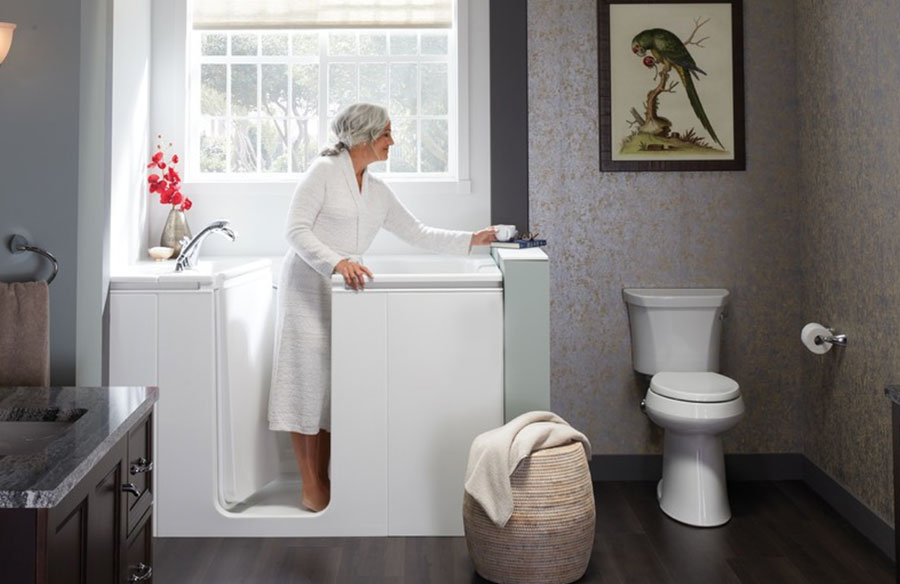
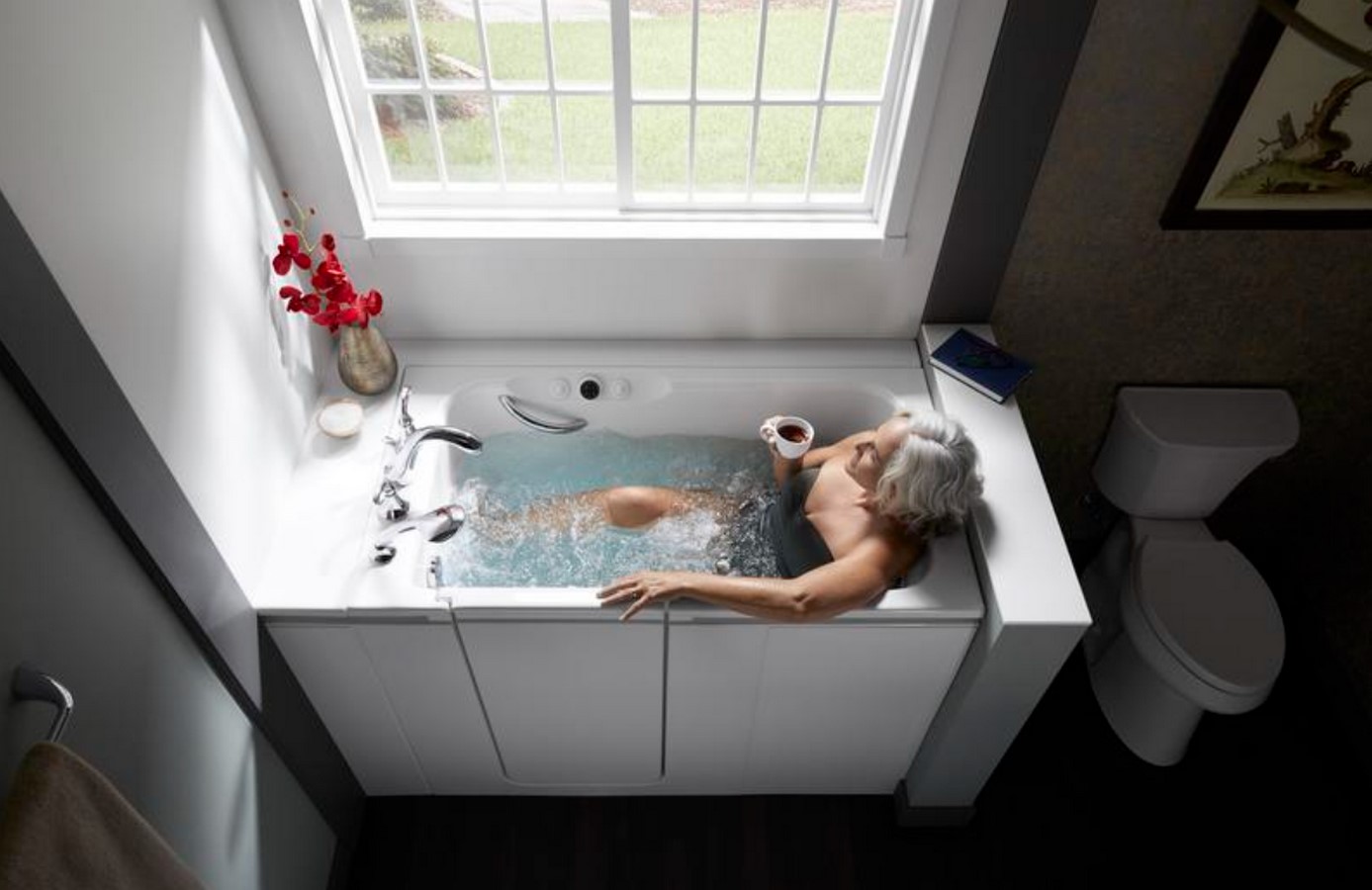
Selecting the perfect walk in bath for your Massachusetts home is a significant decision that can greatly enhance your bathroom’s functionality and safety. Whether you’re looking to age in place or simply want to upgrade your bathing experience, a walk-in bath offers numerous benefits. This guide will help you navigate the key considerations when choosing the right walk-in bath for your home.
Walk-In Bath Basics: What You Should Know
Walk-in baths are designed with a watertight door that allows users to enter the tub without having to step over a high threshold. These baths are particularly beneficial for those with mobility issues, seniors, or anyone looking for a safer bathing experience. They come in various sizes and styles to accommodate different bathroom layouts and personal preferences.
Before selecting a walk-in bath, carefully measure your bathroom space. Consider the doorway width to ensure the new bath can be moved into the bathroom. Evaluate the available floor space, taking into account the bath’s footprint and required clearance. Additionally, assess the existing plumbing location to determine if modifications are needed to accommodate the new fixture.
Features to Look For in Your Solution
Modern walk-in baths come with a variety of features designed for comfort and safety. These include:
Quick fill and drain systems: Look for baths with fast-filling faucets and efficient drain systems to minimize waiting time.
Hydrotherapy jets: Consider models with air or water jets for a spa-like experience and potential therapeutic benefits.
Anti-slip flooring: Ensure the bath has textured flooring to prevent slips and falls.
Heated seating: Some models offer heated seats for added comfort during filling and draining.
When undertaking bathroom remodeling, Massachusetts homeowners often find that professional assistance is invaluable, especially when installing specialized fixtures like walk-in baths. Experienced bathroom remodeling companies in Massachusetts can provide expert guidance on selecting the right walk-in bath and ensure proper installation, taking into account factors, such as structural support and local building codes.
Safety Features You Should Be Aware Of
Safety should be a top priority when choosing a walk-in bath. Look for a low entry threshold with a step-in height of 3-7 inches. Ensure the bath has sturdy, well-placed grab bars and non-slip surfaces on both the flooring and seating. Consider baths that meet ADA standards for accessibility, as these often provide the highest level of safety and usability.
Additional Considerations
Installation Requirements
Understanding the installation process is crucial for a successful walk-in bath integration. Assess whether your existing plumbing can support a walk-in bath or if modifications are needed. Some features, like hydrotherapy jets or heated seats, may require additional electrical work. Ensure your bathroom floor can support the weight of a filled walk-in bath, and don’t forget about proper ventilation to prevent mold and mildew growth.
Budget Considerations
Walk-in baths can vary significantly in price based on size, features, and brand. When budgeting, consider not only the initial cost of the bath but also installation expenses, potential plumbing or electrical modifications, and long-term energy and water costs. While it may be tempting to opt for the least expensive option, investing in quality can pay off in terms of durability, functionality, and overall satisfaction.
Warranty and Customer Support
Look for manufacturers that offer comprehensive warranties covering the tub, door seal, and components. Responsive customer support and clear terms and conditions are also important factors to consider. A strong warranty can provide peace of mind and protect your investment for years to come.
Bottom Line
By carefully considering these factors, you can select a walk-in bath that not only meets your immediate needs but also provides long-term value and enjoyment. Remember to consult with professional bathroom remodelers who can offer expert advice and ensure proper installation.
Rethinking The Future (RTF) is a Global Platform for Architecture and Design. RTF through more than 100 countries around the world provides an interactive platform of highest standard acknowledging the projects among creative and influential industry professionals.
We use cookies to ensure that we give you the best experience on our website. If you continue to use this site we will assume that you are happy with it.