

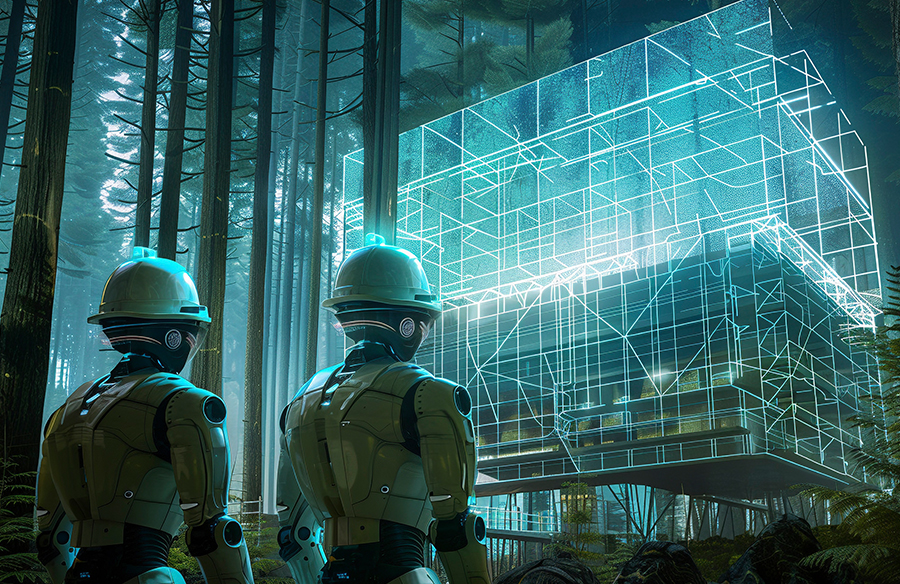
The construction industry is experiencing a technological renaissance, revolutionizing the way we build and design structures. From advanced modeling techniques to innovative machinery, these technologies are enhancing efficiency, precision, and sustainability in construction projects. In this article, we’ll explore some of the top construction technologies that are shaping the future, with a focus on metalwork machines and their impact on the industry.
Building Information Modeling (BIM)
Building Information Modeling (BIM) has become a cornerstone of modern construction. BIM is a digital representation of the physical and functional characteristics of a building. It provides a comprehensive view of the project from design through construction and into operation. BIM enhances project planning by enabling better visualization and collaboration among stakeholders. The technology allows for real-time updates and modifications, reducing the risk of errors and improving overall project efficiency. One notable example of BIM’s success is its application in large-scale infrastructure projects, where it has significantly streamlined the design and construction processes.
3D Printing in Construction
3D printing is making waves in the construction industry by offering a novel approach to building design and construction. This technology involves creating three-dimensional structures layer by layer using various materials. 3D printing allows for complex and customized designs that were previously difficult or impossible to achieve with traditional methods. The benefits of 3D printing include reduced material waste, lower costs, and faster construction times. Future developments in this technology hold the promise of more advanced materials and larger-scale printing capabilities, potentially transforming how we approach building construction.
Drones and Aerial Imaging
Drones have become invaluable tools in construction for their ability to capture aerial imagery and data. They are used for surveying, mapping, and monitoring construction sites with unparalleled precision. Drones provide real-time updates and high-resolution images that improve accuracy and efficiency. They also enhance safety by allowing for remote inspections of hard-to-reach areas. A notable example of drone technology in action is its use in large-scale construction projects where aerial imaging helps in tracking progress and identifying potential issues before they become significant problems.
Metal Work Machines
Advanced metalwork machines are revolutionizing the construction industry by improving precision and efficiency in metal fabrication. These machines include laser cutters, CNC machines, and automated welding systems. For example, a hydraulic brake press is a key tool in shaping metal components with high precision and consistency. This technology allows for the accurate bending of metal sheets, which is crucial for creating custom metal parts used in various construction applications. The integration of these advanced metalwork machines enhances the quality and durability of construction materials, contributing to more robust and reliable structures.
Augmented Reality (AR) and Virtual Reality (VR)
Augmented Reality (AR) and Virtual Reality (VR) technologies are transforming how construction projects are visualized and managed. AR overlays digital information onto the physical world, allowing for enhanced design reviews and real-time project adjustments. VR, on the other hand, provides immersive simulations of construction projects, enabling stakeholders to experience and interact with the design before construction begins. These technologies improve design accuracy, facilitate better client engagement, and enhance project understanding by providing a realistic view of the final outcome.
Sustainable Construction Technologies
Sustainability is becoming increasingly important in construction, and various technologies are emerging to support eco-friendly building practices. These include energy-efficient systems, green building materials, and waste-reduction techniques. Technologies such as solar panels, rainwater harvesting systems, and sustainable insulation materials contribute to reducing the environmental impact of construction projects. Future trends in sustainable construction are likely to focus on integrating even more innovative solutions to further minimize ecological footprints and promote green building practices.
Conclusion
The construction industry is on the brink of a technological revolution, with advancements in BIM, 3D printing, drones, metalwork machines, AR, VR, and sustainable technologies paving the way for a new era of building. Embracing these technologies not only enhances efficiency and precision but also contributes to a more sustainable and resilient construction industry. As these innovations continue to evolve, they will undoubtedly shape the future of construction, offering exciting possibilities for improved building practices and project outcomes.







