

Noise pollution can significantly affect the comfort and value of your property. From the constant hum of traffic to noisy neighbors, property line noise issues can disrupt your peace and impact your quality of life. Assessing and mitigating these noise problems is crucial for maintaining a pleasant living environment. This article provides a step-by-step guide to understanding, evaluating, and addressing noise issues at your property boundaries.
Understanding Property Line Noise
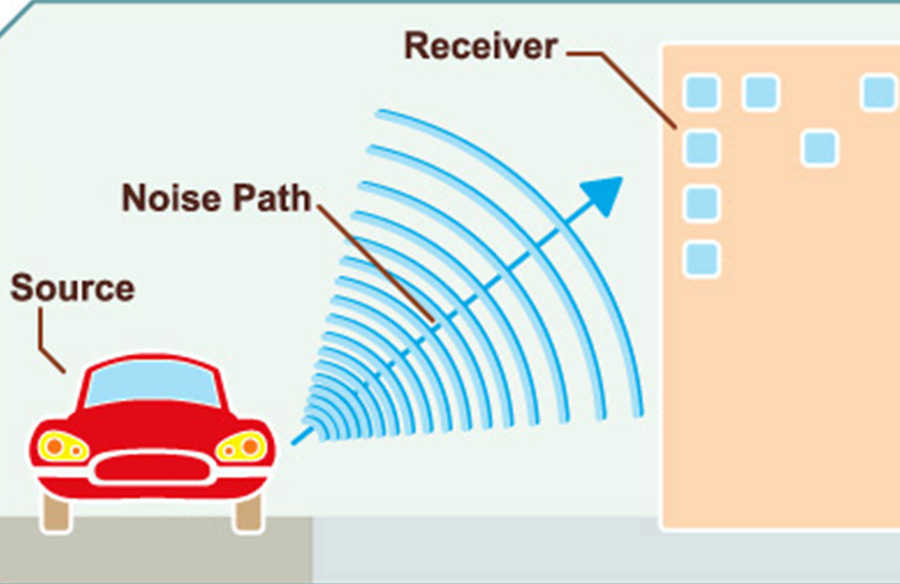
Property line noise refers to any disruptive sound originating from outside your property, affecting your living space. Common sources of property line noise include traffic from nearby roads, sounds from neighboring properties, and industrial activities. Noise pollution can negatively impact your health and well-being, causing stress, sleep disturbances, and even lowering property values. Understanding the sources and impacts of noise is the first step in addressing the issue effectively.
Assessing Property Line Noise
Identify Sources
The first step in managing property line noise is to identify and document its sources. Start by observing when and where the noise is most prominent. Common sources might include busy streets, construction sites, or loud neighbors. Use tools like noise meters to measure sound levels accurately. Keeping a noise journal can also help track patterns and peak times.
Measure Noise Levels
Accurate measurement of noise levels is essential for understanding the extent of the problem. Use a noise meter to record decibel levels at different times of the day. This will provide a clear picture of the noise’s impact on your property. Be sure to measure both during the day and at night, as noise levels can vary significantly.
For more detailed guidance on this process, consider learning more about how to evaluate property line noise. This knowledge will help you understand legal standards and noise ordinances in your area, providing a framework for assessing whether the noise levels exceed acceptable limits.
Evaluate Impact
Assess how the noise affects your living conditions and property value. Consider whether the noise disrupts your daily activities, affects your sleep, or impacts your outdoor spaces. Additionally, evaluate if the noise might influence potential buyers if you decide to sell your property in the future. Understanding the impact will guide you in selecting the most effective mitigation strategies.
Mitigating Property Line Noise
Physical Barriers
Installing physical barriers is one of the most effective ways to reduce noise. Consider erecting fences, walls, or barriers designed to block or absorb sound. Materials like wood, masonry, or specialized soundproofing panels can be used depending on your budget and aesthetic preferences. Ensure the barriers are tall and dense enough to effectively block noise from reaching your property.
Landscaping Solutions
Landscaping can also play a crucial role in noise reduction. Planting trees, shrubs, and other vegetation can create a natural sound buffer. Evergreen trees and dense shrubs are particularly effective at absorbing and deflecting noise. Landscaping not only improves noise levels but also enhances the visual appeal of your property.
Soundproofing Measures
Enhancing the sound insulation within your home can help mitigate the effects of external noise. Adding soundproofing materials to walls, windows, and doors can reduce the amount of noise that enters your living space. Consider using acoustic panels, double-glazed windows, or weather stripping to improve sound insulation.
Community Solutions
Engaging with your neighbors and local authorities can also help address noise issues. Sometimes, noise problems can be mitigated through community cooperation or municipal regulations. Discuss your concerns with your neighbors, and consider working together to find mutually beneficial solutions. Contact local authorities if noise issues are persistent and severe, as they may offer additional resources or intervention.
Professional Assistance
When to Seek Help
If you find that noise issues are beyond your control or require specialized expertise, consider seeking professional assistance. Noise consultants can provide detailed assessments and recommend tailored solutions based on your specific situation.
Noise Consultants
Noise consultants are experts in evaluating and managing noise problems. They use advanced equipment and methodologies to assess noise levels and provide effective solutions. Their expertise can be invaluable in resolving complex noise issues.
Legal Support
In cases where noise issues impact your property rights, consulting with legal experts may be necessary. Legal professionals can help you understand your rights and options for addressing noise problems through legal channels.
Conclusion
Assessing and mitigating property line noise issues is essential for maintaining a comfortable and valuable property. By identifying noise sources, measuring their impact, and implementing effective mitigation strategies, you can enhance your living environment and preserve your property’s value. Taking proactive steps and seeking professional help when needed will ensure that you address noise issues effectively and maintain a peaceful home.







