

Creating a health-conscious home isn’t just a trend; it’s a lifestyle choice that can significantly impact your well-being. As we spend more time in our living spaces, designing them to promote physical and mental health becomes increasingly important.
Simple yet effective changes like maximizing natural light, incorporating sustainable materials, and adding greenery can transform your home into a sanctuary of wellness. Our ideas are easy to implement and perfect for enhancing both comfort and overall quality of life.
7 Design Tips for Creating Health-Conscious Homes
Creating a health-conscious home can profoundly impact your well-being. Here are seven practical design tips to help you transform your space into a healthy sanctuary.
1. Prioritize Natural Light
Natural light can have a significant impact on your overall well-being. To maximize this, consider installing larger windows or adding skylights in key areas of your home. Not only does natural light boost your mood and energy levels, but it also helps regulate your sleep-wake cycle.
If expanding windows isn’t an option (this can be pretty expensive), use sheer curtains to let more sunlight filter in. Place mirrors strategically to reflect light into darker corners of rooms. These simple adjustments can transform your living area into a brighter, more inviting space that supports better mental and physical health.
2. Mind Your Kitchen Setup
Your kitchen setup plays a crucial role in fostering healthy eating habits. Start by organizing your space to make wholesome foods easily accessible. For instance, keeping items like fresh fruits, vegetables, and nutritious snacks visibly on the counter can encourage better choices.
Ensure you have designated spaces for meal prep and cooking activities. Having ingredients like barley flakes within easy reach can inspire you to experiment with healthier recipes, making it simpler to maintain a balanced diet every day. Your environment can dictate how willing you are to stick to a healthy lifestyle, so focusing on aesthetics isn’t always a bad idea!
3. Use Sustainable Materials
Incorporating sustainable materials into your home design is both eco-friendly and health-conscious. Materials like bamboo, reclaimed wood, and recycled metals minimize environmental impact and reduce harmful chemicals in your living space.
These choices can add a unique character to your home. For example, bamboo flooring is not only durable but also much less toxic compared to traditional hardwoods treated with pesticides. Similarly, reclaimed wood furniture brings a rustic charm while being kinder to the planet.
By selecting sustainable materials, you create a healthier atmosphere for yourself and contribute positively to the environment.
4. Incorporate Green Spaces
Integrating green spaces into your home creates a calming and healthy environment.
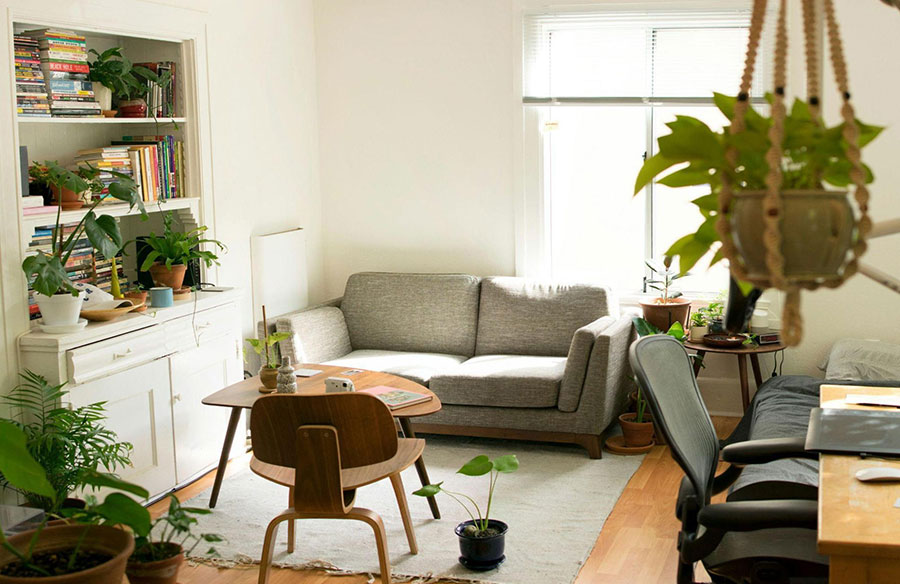
Houseplants like snake plants, peace lilies, and pothos are excellent for improving indoor air quality by filtering out toxins. They also add a natural beauty that makes any space inviting.
You could create a small indoor garden or place potted plants on shelves and window sills throughout your home. If you have outdoor space, consider setting up a garden with native plants to encourage local wildlife. These green additions not only beautify your living area but also enhance your overall well-being.
5. Choose Non-Toxic Paints
Selecting non-toxic paints is essential for maintaining a healthy home environment. Traditional paints can emit volatile organic compounds (VOCs), which are harmful chemicals that can cause respiratory issues and long-term health effects.
Opting for low-VOC or zero-VOC paints helps to significantly reduce these risks. These safer paint options come in a wide variety of colors and finishes, so you don’t have to compromise on style. Not only do they protect your family’s health, but they also contribute to better indoor air quality. This simple switch can make a big difference in creating a healthier living space.
6. Add Wellness Zones
Creating dedicated wellness zones in your home can significantly enhance your physical and mental well-being. Consider setting up a quiet corner with comfortable seating for meditation, reading, or simply unwinding. Adding elements like soft lighting, cozy cushions, and calming decor can make these spaces cozy to your family and your guests.
If you have enough room, allocate an area for yoga or exercise with a mat and some basic equipment. These personalized wellness zones encourage mindful relaxation and self-care, making it easier to manage stress and maintain a balanced lifestyle amid daily demands.
7. Focus on Air Quality
Air quality plays a crucial role in maintaining a healthy home. Start by investing in high-quality air purifiers to remove allergens, pollutants, and toxins from your living space.
Additionally, consider using natural cleaning products to minimize exposure to harmful chemicals found in conventional cleaners. Regularly changing HVAC filters and ensuring proper ventilation can also make a significant difference. Prioritizing good air quality helps create a safer and more comfortable home environment for you and your family.
These Tips Will Help You Create a Health-Conscious Home
Your home is more than just a place to live; it’s a space that should nourish and rejuvenate you.
By incorporating these health-conscious design tips, you’re creating a more beautiful living environment and fostering your well-being. Start making small changes today, whether it’s adding plants or choosing non-toxic materials, and notice the positive impact on your daily life.







