

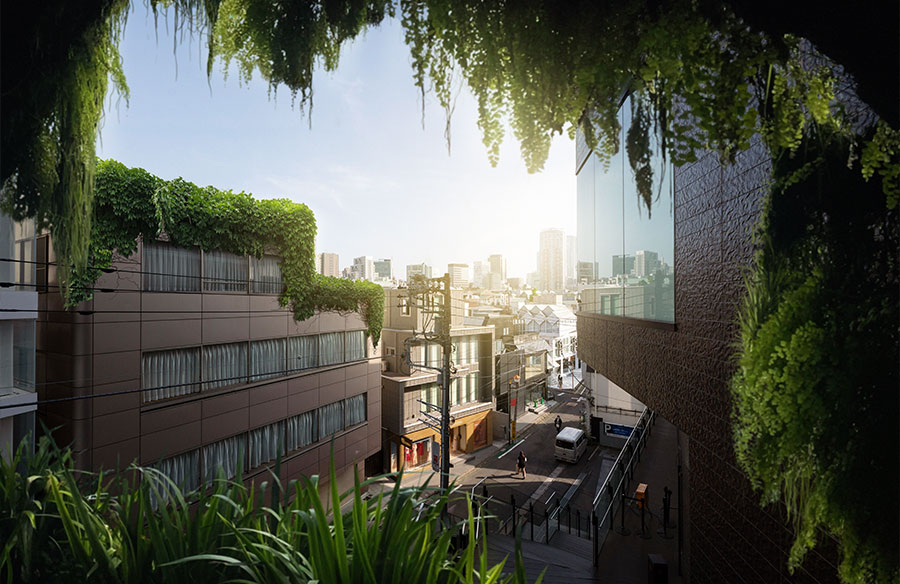
Sustainability is transforming modern architecture in ways that go beyond just building design and construction. As climate change concerns grow, architects and engineers are rethinking how we maintain and update the existing structures. They are now applying green principles to older buildings, breathing new life into them while reducing the ecological footprint. This approach preserves our architectural heritage and contributes to a more sustainable future. Governments are getting on board, too, offering incentives for green building practices. This push for sustainability is reshaping how we think about our towns and cities. In this article, we will look at why sustainable practices are so important in today’s architecture and its role in shaping the future of architecture.
1. Green Maintenance Tips
Architects focus on eco-friendly upkeep when updating old buildings. They choose materials like low-VOC paints and recycled resources to reduce environmental impact. Energy efficiency is key, so they add better insulation and modern HVAC systems. These experts create detailed plans for long-term green maintenance, ensuring the building stays eco-friendly for years. They might suggest using non-toxic cleaning products or installing water-saving fixtures. The goal is to keep the building in good shape while maximizing its carbon footprint.
This approach not only helps the environment but also cuts operating costs. Architects educate building owners and managers about these practices, helping them understand the importance of ongoing green maintenance in preserving the building’s sustainability features. These strategies often lead to improved indoor air quality and a safer environment for building occupants.
2. Smart Façades Choices
The building’s exterior is crucial for energy efficiency. When updating old structures, architects carefully choose façade materials that improve insulation without altering the building’s character. They might use advanced glazing for windows or innovative cladding systems that reflect heat. These technologies can dramatically improve a building’s thermal performance without changing its appearance. The façade must also protect against weather and pollution, so durability is important.
Architects consider how these choices affect the building’s appearance, aiming to enhance its look while boosting performance. They might incorporate features like green walls or shading devices to improve energy efficiency further. The challenge is balancing modern needs with historic preservation, especially in landmark buildings. Smart façade choices can dramatically reduce a building’s energy use and maintenance needs over time. These choices can also significantly impact the building’s overall aesthetic appeal and market value.
3. Setting Green Standards in Contracts
Architects establish clear guidelines for eco-friendly restoration practices in project contracts. These documents specify which green materials and systems should be used, setting targets for energy and water efficiency. They outline waste reduction goals and sustainable construction methods. By including these standards in contracts, architects ensure all parties are committed to the green goals. The contracts might also include provisions for post-restoration monitoring to verify that sustainability targets are met.
This modern sustainable architectural approach helps prevent misunderstandings and keeps the project focused on environmental objectives. Architects often include clauses about sourcing local materials or using certified sustainable products. These detailed contracts serve as a roadmap for the entire restoration process, guiding decisions from start to finish. Such agreements can also serve as valuable educational tools for clients, contractors, and other stakeholders in sustainable building practices.
4. Teamwork in Building Updates
Successful building updates require collaboration among various experts. Architects work closely with structural engineers, mechanical specialists, and historians to develop comprehensive solutions. This team approach allows for creative problem-solving, blending modern technology with historical preservation. Architects coordinate regular meetings to ensure all aspects of the restoration project align with sustainability goals. They might bring in energy consultants to analyze the building’s performance or work with landscapers to create water-efficient outdoor spaces.
This collaborative method helps identify potential issues early, saving time and resources. It also leads to more innovative solutions, as different perspectives contribute to the overall plan. The diversity of ideas often results in more creative and effective sustainability solutions. The architect’s role is to synthesize these diverse inputs into a cohesive, sustainable design. This collaborative approach results in more resilient and adaptive building solutions that can withstand future challenges.
5. Keeping Green Buildings Running Smoothly
Architects don’t just focus on the initial update; they plan for the building’s long-term performance. They create detailed manuals for operating and maintaining new green features, ensuring these systems continue to work efficiently. This might include schedules for cleaning solar panels or maintaining green roofs. Architects often recommend regular energy audits and may design systems for real-time energy and water use monitoring. They consider future needs, creating flexible spaces that can adapt without major renovations.
Training programs for building staff are often part of the plan, ensuring everyone understands how to manage the new sustainable features. These programs empower staff to contribute actively to the building’s ongoing sustainability efforts. By thinking long-term, architects help ensure the building remains environmentally friendly and cost-effective for years to come. This proactive approach to building management can significantly extend the lifespan of green technologies and systems.
6. Comparing Costs: Green vs. Traditional
When planning updates, architects analyze the costs of green versus traditional methods. While eco-friendly options often cost more upfront, they save money over time. Architects use life-cycle cost analysis to show clients the long-term benefits. This includes calculating energy and water savings, reduced maintenance costs, and potential increases in the building’s property value. They might demonstrate how features like high-efficiency HVAC systems or water-saving fixtures pay for themselves through lower utility bills.
Architects also consider less tangible benefits, like improved occupant comfort and productivity in green buildings. By presenting a comprehensive financial picture, they help clients understand the value of investing in sustainable features, showing how long-term savings and benefits offset initial costs. This analysis often reveals that sustainable building practices can lead to significant cost advantages over the building’s lifetime.
7. Using Natural Energy Sources
Integrating renewable energy is a key part of updating old buildings. Architects assess how to add solar panels, wind turbines, or geothermal systems without compromising the building’s character. This assessment often involves creative solutions to hide or integrate these modern systems into historical structures. They consider the structure’s orientation and surroundings to maximize natural light and heat. This might involve redesigning windows or adding skylights to reduce reliance on artificial lighting.
Architects explore innovative ways to hide modern energy systems within the building’s structure. They suggest ground source heat pumps for efficient heating and cooling or incorporate rainwater harvesting systems. The goal is to significantly decrease the building’s dependence on non-renewable energy while preserving its historical essence. This approach cuts energy costs and demonstrates a commitment to environmental stewardship. Implementing these natural energy sources can also be a powerful educational tool for the community about sustainable practices.
Conclusion
The shift towards sustainable practices in updating older buildings is more than an architectural trend; it’s a catalyst for urban transformation. This approach fosters innovation in design, materials science, and energy systems. It’s also creating new job opportunities in green construction and maintenance. As these practices become more common, we may see changes in urban planning policies and real estate markets favoring buildings that balance historical value with environmental performance. This movement could lead to more resilient, adaptable cities better equipped to face future challenges.







