

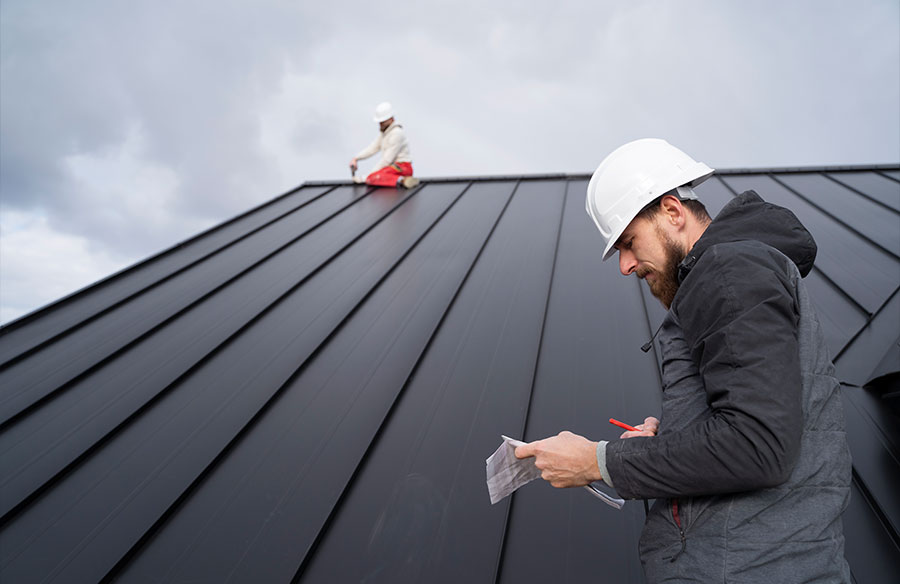
Roof maintenance is an important aspect of home maintenance. Maintaining one’s roof is essential since it serves as the primary shield for the residents and improves the visual appeal and worth of the house. The purpose of this guide is to steer homeowners in the right direction with some handy tips, useful repair methodologies, and recommended practices for repairing your home’s roof.
Understanding Common Roof Problems
If you detect your roof problems early enough, you will be in a position not to have serious problems as well as extreme damage, thus spending a lot of money. Here are the most frequent problems that homeowners should be aware of:
-
Leaks and Moisture
Damaged shingles, poor workmanship, especially work done at the joining point of different sections like the flashing and collection system, and clogged gutters are causes of leakage. Physically examine your roof for any signs of leakage and repair it to avoid water seepage.
-
Damaged Shingles
Shingles are vulnerable to physical damage, such as cracking, curling, or even being blown away by a storm. A roof’s longevity is dependent on the timely replacement of any set of tiles to avoid putting the roof in danger.
-
Ponding Water
Many flat roofs exhibit water stagnation, which causes complications such as leaks and damage to structures. Check the drainage, and it might be wise to add more drains or make the ground slope for better drainage.
-
Flashing Failures
Roof flashing protects the roof edges from leaks and decay as a result of aging or improper installation. In order to prevent water leaks, flashing should be inspected and repaired periodically.
-
Ventilation Issues
Lack of proper roof ventilation often results in heat and moisture insulation and is detrimental. Make sure your attic and roof are adequately ventilated to enhance the life of a roof.
Essential Roof Repair Tools and Materials
The roof repair preparation process does not begin with the repair works themselves. It is vital to have the right equipment and materials. Here is a list of essential items you will need:
-
Ladder
Provides safe access to the roof. Make sure to use an aluminum, two-section lockable ladder and set it up correctly.
-
Roofing Nails and Hammer
Ensure that shingles and other materials are properly secured in an anchored position. Galvanized nails would be advisable against rusting.
-
Roofing Cement
Covers and repairs joints, gaps, and other vulnerable paths for water infiltration. Use enough roofing cement to make the roof fully sealed.
-
Utility Knife
Cuts shingles and other roofing materials. Maintain additional blades especially if you are going to be precise in your cutting.
-
Tarps and Roofing Felt
Affords some temporary cover and secondary water repellency. To guard areas during the repair process, try utilizing tarpaulins.
-
Chalk Line
Facilitates the creation of straight lines along the path of the shingles. A bright color is advisable for a better view, especially when using chalk.
Step-by-Step Roof Repair Process
It is very important to plan and execute any repair activities that are related to roofs. Follow these steps for a successful repair:
-
Safety First
Performers should also ensure that they wear protective clothing and accessories, such as gloves, eye protection, and non-slip shoes while using the device. To avoid falls, one must not step on the roof during rainy or windy occasions.
-
Inspect and Identify
Examine the roof to determine if it is leaking structurally or just superficial. Use binoculars to get a close-up shot of the male swiftlets first to stay off the roof.
-
Remove Damaged Shingles
The next step is to remove the affected shingles very gently with a pry bar or a roofing shovel. Take time when removing shingles so as not to damage the neighboring shingles.
-
Repair or Replace
Patch up any small cracks or holes with roofing cement or replace the worn-out shingle. Try to get the new shingles to be as close as possible to the old ones in color and surface for your roof repair.
-
Check Flashing and Ventilation
Visually check and repair or replace any flashing, particularly around the chimney stack, vents, or other corners. Therefore, all barriers to the vents must be removed so that the correct quantities of fresh air can be circulated in the building.
-
Clean Gutters and Downspouts
It involves clearing the gutters and downspouts by pulling out twigs, leaves, and other materials that may hinder the flow of water. In addition, one can advise for the installation of gutter guards as a measure towards future frequent gutter cleaning.
Preventive Maintenance Tips
The lifespan of your roof can be very much enhanced if regular maintenance services are conducted on the roof. Implement these preventive measures to keep your roof in top condition:
-
Regular Inspections
Check roof integrity at least two times a year, particularly during stormy seasons. Look for debris, hurting shingles, or any discoloration of the tile and roof, and get it fixed.
-
Trim Overhanging Branches
Regularly trim tree branches to recommend a distance away from the roof to avoid roof damage caused by falling branches. In case the branches are too high or too close to the power lines, it is better to call an experienced arborist.
-
Clean Debris Regularly
Clean the roofs and rainwater channels by sweeping or blowing off the accumulated leaves, branches, and other such materials. It can be done by using a roof rake or blower so as not to harm the building.
-
Look for Algae/Moss
Search for and eliminate algae and moss, as they negatively affect the shingles. Use zinc or copper strips to help prevent future growth of algae.
-
Ensure Proper Attic Insulation
Make sure your attic has the right insulation level to afford less heat penetration and the formation of ice dams. However, since different types of insulation might be needed, it is advisable to seek the services of a consultant for insulation services and, actually, for the installation of insulation.
Conclusion
Roof is one of the most crucial parts of the house, and as such, it has to be in the best condition possible. With knowledge about frequent issues, appropriate gear, a repair guide, and reminders of minor maintenance, you can keep the roof in good shape. There are times when you should not hesitate to call a professional to help you maintain the safety and strength of your roof for many years to come.







