

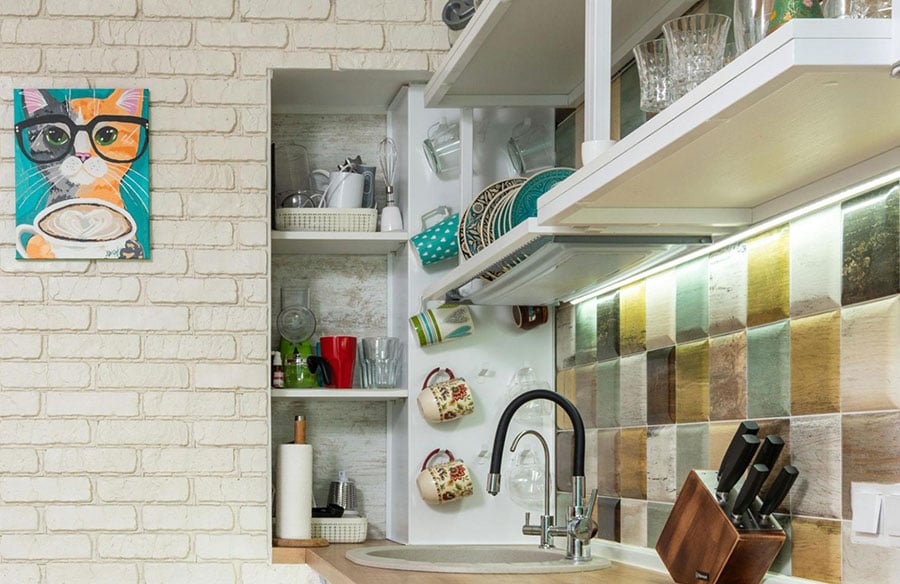
Upgrading your kitchen can be an exciting remodel project that can significantly enhance the functionality and aesthetic appeal of your home. One critical aspect that often gets overlooked during kitchen renovations is the plumbing system. Upgrading your kitchen pipes not only ensures the efficient operation of your fixtures but also prevents future plumbing issues. Proper planning can save you time, money, and headaches down the line, making your kitchen renovation a smooth and successful endeavor.
Signs You Need New Kitchen Pipes
Before diving into your renovation, it’s crucial to assess the condition of your existing plumbing. Here are some common signs that indicate it’s time to upgrade your kitchen pipes:
- Leaks: Frequent leaks are a clear sign of deteriorating pipes. Ignoring them can lead to extensive water damage and mold growth.
- Low Water Pressure: Reduced water pressure might indicate blockages or corroded pipes, which can impede daily kitchen tasks.
- Rust and Corrosion: Visible rust on pipes or discolored water suggests corrosion, which compromises the integrity of your plumbing system.
- Frequent Clogs: Persistent clogs and slow drains often signal underlying issues with your pipes that need addressing.
Neglecting these signs can result in costly repairs and damage to your kitchen. Addressing them during a renovation is a proactive approach to maintaining a healthy and efficient plumbing system.
Planning Your Kitchen Pipe Upgrade
New Kitchen Layout
When planning a kitchen renovation, it’s essential to consider the new layout and how it will impact your plumbing needs. The placement of sinks, dishwashers, and refrigerators with water dispensers must be strategically planned to ensure efficient plumbing connections. This foresight not only optimizes your kitchen’s functionality but also prevents future plumbing issues.
Additionally, a major renovation is an opportune time to address other home concerns. Ensuring a pest-free environment in your new kitchen is crucial. According to a spokesman with Waynes Pest Control this is a common time for comprehensive pest control services when there are wide open opportunities to find potential problems and incursion spots.
Choosing the Right Pipe Material
Selecting the appropriate pipe material is a critical decision in your kitchen plumbing upgrade. Here are some common materials and their pros and cons:
- PEX (Cross-linked Polyethylene): PEX pipes are flexible, easy to install, and resistant to scale and chlorine. They are also less likely to burst in freezing temperatures. However, PEX pipes can be susceptible to UV light degradation and might not be suitable for outdoor use.
- Copper: Copper pipes are durable, long-lasting, and resistant to bacteria. They can handle high temperatures and pressures, making them a reliable choice. On the downside, copper is more expensive and can be prone to corrosion over time.
- PVC (Polyvinyl Chloride): PVC pipes are cost-effective and easy to work with. They are resistant to corrosion and chemicals. However, they are not suitable for hot water applications and can become brittle over time.
Consider factors such as budget, durability, and specific plumbing needs when choosing the right material for your kitchen pipes.
Addressing Water Pressure and Efficiency
Adequate water pressure is essential for various kitchen tasks, from washing dishes to filling pots. If you experience low water pressure, there are solutions to improve it:
- Booster Pumps: Installing a booster pump can enhance water pressure, ensuring optimal performance of your kitchen fixtures.
- Water-Efficient Fixtures: Upgrading to water-efficient faucets and appliances can significantly reduce water consumption and lower utility bills. These fixtures are designed to maintain adequate pressure while conserving water.
Hiring a Qualified Plumber
Upgrading your kitchen pipes is a complex task that requires professional expertise. Hiring a licensed and experienced plumber ensures the job is done correctly and safely. Here’s what to look for in a good plumber:
- References and Reviews: Check for positive reviews and ask for references from past clients to gauge the plumber’s reliability and quality of work.
- Licensing and Insurance: Ensure the plumber is licensed and carries adequate insurance. This protects you from liability in case of accidents or damage during the project.
- Experience: Choose a plumber with extensive experience in kitchen renovations. Their expertise will be invaluable in addressing unique challenges and ensuring a smooth upgrade process.
Planning your kitchen pipe upgrade is a crucial step in ensuring the success of your kitchen renovation. By identifying signs of aging or damaged pipes, considering your new kitchen layout, choosing the right materials, addressing water pressure, and hiring a qualified plumber, you can achieve a well-functioning and efficient plumbing system. The benefits of a properly planned and executed upgrade extend far beyond the renovation, providing you with a reliable and durable kitchen plumbing system for years to come.
Additional Resources
For more insights into kitchen plumbing upgrades and renovation tips, explore these articles on re-thinkingthefuture.com:
These resources provide valuable information and inspiration to help you make informed decisions during your kitchen renovation. While DIY projects can be rewarding, consulting a professional for complex plumbing tasks ensures safety and quality results.







